
Plants
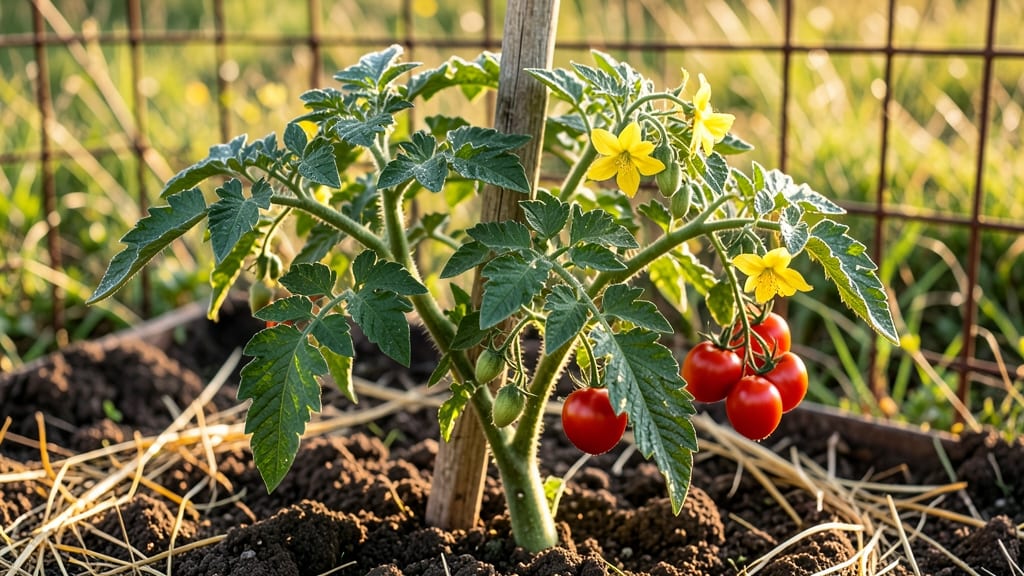
Tomato plants need full sun—at least 6 to 8 hours of direct sunlight daily—to thrive and produce the juicy 🍅 harvest you’re dreaming of.
But here’s the catch: too much harsh afternoon sun can scorch those tender leaves, while too little leaves you with leggy plants and poor fruit set. Balancing sun exposure is the key to avoiding both extremes and keeping your tomatoes happy.
Whether you’re planting in-ground or in containers, smart placement—like positioning plants to catch morning sun and afternoon shade—can make all the difference. I’ll walk you through the best practices for your climate, how to spot sun stress early, and simple fixes to keep your tomatoes flourishing all season.
Ready to turn your sunniest spot into a tomato powerhouse? Let’s dive into the secrets of perfect tomato plant sunlight management.
Optimal sunlight requirements for tomato plants: how much is too much?
Tomatoes thrive under full sun, but not all varieties handle intense sunlight the same way. As a gardener, I’ve learned that 6-8 hours of direct sunlight is the sweet spot for most tomatoes, though some varieties can tolerate even more.
The key is understanding how much sun your specific plants need and recognizing when they’re getting too much.
Determinate tomatoes, like Roma or Celebrity, grow in compact bushes and typically need 6-7 hours of sun daily. Indeterminate varieties, such as Sungold or Brandywine, keep growing until frost and require 8+ hours of sunlight to produce their signature vining growth and abundant fruit.
Without enough light, both types suffer—leaving you with stunted plants and poor yields.
| Tomato Type | Minimum Sunlight | Ideal Sunlight | Signs of Too Much Sun | Signs of Too Little Sun |
|---|---|---|---|---|
| Determinate (e.g., Roma, Bush Early Girl) | 6 hours | 6-7 hours | White/yellow patches on leaves | Pale green leaves, leggy stems |
| Indeterminate (e.g., Sungold, Beefsteak) | 7 hours | 8+ hours | Scorched leaves, wilting | Slow growth, few flowers |
| Cherry Tomatoes (e.g., Sweet 100) | 6 hours | 7-8 hours | Blossom drop, fruit cracking | Small, bitter fruit |
| Heirloom (e.g., Brandywine, Cherokee Purple) | 7 hours | 8-10 hours | Sunburned patches on fruit | Poor fruit set, weak vines |
Measuring sunlight in your garden is easier than you think. Use a sun calculator or a simple shade analysis method: place a white board in your garden for a few hours and mark the shaded areas with a pencil every 30 minutes.
If more than 30% of the board stays in shade during peak sun hours (10 AM–4 PM), your spot isn’t ideal for tomatoes.
Another trick is to observe your garden throughout the day. Notice how shadows shift—especially in afternoon hours when the sun is harshest. If your tomatoes are wilting by 2 PM, they’re likely getting too much direct sunlight.
Providing afternoon shade with a lightweight shade cloth (30-50% shade) can make a world of difference in hot climates.
For container gardeners, placement is everything. A south-facing windowsill or balcony gets the most sunlight, but if you’re in a northern hemisphere location, east or west-facing spots can work too—just rotate pots every few days for even growth.
Avoid north-facing windows or shaded patios, where tomatoes will stretch toward light and produce weak, sparse fruit.
Watch for sunburn signs like white or yellow patches on leaves, which indicate too much intensity. On the flip side, pale green leaves or leggy stems mean your plants aren’t getting enough light.
Adjust their position gradually—moving them closer to or farther from the sun in small increments to avoid shocking the plants.
In regions with intense summer heat, like the Southwest, tomatoes benefit from drip irrigation and mulching to keep roots cool. Watering deeply in the morning helps prevent sun scorch by maintaining moisture levels.
I’ve found that drip lines buried under mulch deliver water right to the roots without wetting the foliage, reducing the risk of sun damage.
If you’re unsure about your garden’s sunlight, start with a test plant. Grow a small tomato variety, like Tiny Tim, in different spots and track its progress.
This low-stakes experiment will give you real-time feedback on what works best in your space. Over time, you’ll develop an instinct for where tomatoes thrive—and where they’ll struggle.
Remember, the goal isn’t just to give your tomatoes sunlight—it’s to give them the right kind of sunlight. With the right balance, you’ll enjoy a bountiful harvest of juicy, flavorful tomatoes all season long. 🌱☀️
Smart placement strategies to protect tomato plants from harsh sun
Tomatoes crave sunlight, but intense midday rays can scorch leaves and stunt fruit production. The key is strategic placement—balancing sun exposure with protection from peak heat stress. I’ve learned that even a few hours of afternoon shade can make the difference between a thriving plant and a sunburned mess.
Your climate zone plays a huge role. In hot desert regions like Arizona, tomatoes need afternoon shade, while humid coastal areas benefit from morning sun to dry dew quickly. Let’s break down the best placement strategies tailored to your growing conditions.
- 🌞 Morning Sun Priority: Place plants to receive 6+ hours of morning sun (6 AM–12 PM) to avoid midday heat. East-facing beds work best.
- 🌿 Afternoon Shade: Use 30–50% shade cloth for 2–4 hours before sunset in zones 8+ to prevent leaf scorch.
- 🪴 Windbreaks: Position tomato cages or trellises near fences or tall plants to block drying winds that intensify sun damage.
- 💧 Reflective Surfaces: Avoid planting near light-colored walls or gravel, which reflect heat. Opt for dark mulch instead.
- 🌡️ Climate Adjustments:
- Desert (Zones 9–11): 50% shade cloth + drip irrigation.
- Humid (Zones 7–8): Morning sun only + air circulation.
For container gardeners, choose light-colored pots (they reflect heat) and place them on elevated stands to improve airflow. If your tomatoes start showing white or yellow patches on leaves, it’s a sign of sunburn—time to adjust their position or add shade immediately.
Don’t forget about seasonal shifts. In summer, move plants to partial shade by 1 PM, but in spring/fall, they can handle full sun. I’ve had the best luck with indeterminate varieties (like 'Sungold') in partial shade—they produce fruit without sacrificing quality.
Pro tip: Use a sun intensity chart to track how much light hits your garden. Apps like Sun Surveyor can map your yard’s sunlight patterns, helping you spot the perfect half-day sun spots for tomatoes.
With these strategies, your tomato plants will thrive without turning into crispy sunburn victims. Start small—test one bed with shade adjustments and watch your harvest improve! 🌱