
Planting
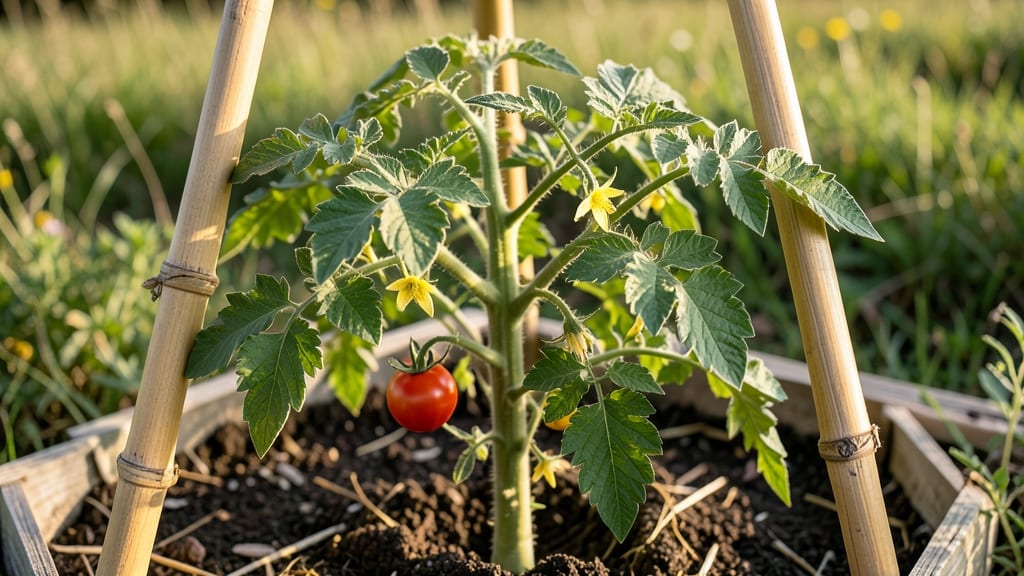
My tomato plant teepees transformed my crowded garden from chaotic to organized—and the vines now grow taller than I am without taking over the yard. 🌱 The secret is simple: a sturdy frame that lets plants climb vertically, saving space while improving airflow and sunlight exposure.
No more sprawling plants competing for every inch of soil or struggling to ripen fruit buried in foliage.
You’ll need just five basic supplies: bamboo stakes (or sturdy wooden dowels), twine or soft plant ties, a hammer or mallet, and a measuring tape. For a standard 4-foot teepee, bundle 5-6 stakes together at the top, then fan them out like a tripod at the base.
The whole setup takes less than 30 minutes—and your tomatoes will thank you with bigger, healthier fruit all season.
Picture this: sunlight streaming through the open center, warm air circulating around the stems, and every cluster of tomatoes basking in direct light. That’s not just a dream—it’s what happens when you give vines room to breathe.
Plus, harvesting becomes a breeze since fruit hangs where you can reach it without bending over.
Want to adapt it? Swap bamboo for metal rebar for extra durability or use pre-made trellis netting for a no-assembly option. Works in raised beds, containers, or even along fences. Here’s how to get started without overcomplicating it.
📚 In This Guide
- What you need
- Instructions
- Tips and common mistakes
- Wrapping up and next steps
What you need
- ● 5-7 sturdy bamboo stakes or wooden dowels (5-6 feet tall, ½-inch diameter). Pro tip: Avoid treated wood to prevent chemical leaching into the soil! 🌱
- ○ Jute twine, soft garden twine, or old t-shirts cut into strips (about 10-15 feet total). Optional: Use biodegradable twine for a zero-waste approach! ♻️
- ● Tomato seedlings or seeds (2-3 per teepee, depending on variety and space). Choose: Indeterminate varieties (like 'Sungold' or 'Brandywine') for maximum height! 🍅
- ● Garden gloves (to protect your hands from twine and thorns).
- ● Pruning shears or scissors (for trimming twine or plant debris).
- ● Measuring tape or ruler (to ensure even spacing between stakes).
- ● Hammer or mallet (for driving stakes into the ground).
- ○ Staple gun or strong clips (optional, for securing twine at the top).
- ● Sunny garden spot (6+ hours of sunlight daily).
- ● Well-draining soil (amend with compost if needed).
- ● Decorative fabric or paint (to customize your teepee for a garden centerpiece!).
- ● Mulch or straw (to retain moisture and suppress weeds).
- ● Plant ties or soft Velcro strips (for gently securing vines as they grow).
- ● Trellis netting (if you want to add extra support for heavy fruit).
Step-by-Step instructions for building tomato plant teepees
Here’s how I build sturdy, space-saving teepees that let vines climb naturally while keeping plants healthy and productive.
🪴 Step 1: Gather and Prepare Materials
For 4 tomato plants, you’ll need 4 bamboo stakes (5-6 feet tall), 10-12 feet of twine or soft plant ties, and 4 tomato cages (optional, for reinforcement). I like using bamboo stakes because they’re lightweight, biodegradable, and strong enough to support heavy tomato vines. If you’re working with windy conditions, add 2 extra stakes per teepee for stability.
Cut the twine into 3-foot lengths—each teepee will use 4-6 pieces, depending on how tall your stakes are. Avoid wire or stiff materials; they can damage stems as vines grow. I also like to have pruning shears on hand to trim any splintered edges on the bamboo.
✂️ Step 2: Assemble the Teepee Frame
Place 4 stakes in a square formation, 12-18 inches apart at the base. The wider the base, the more stable the structure. Drive each stake 6-8 inches deep into the soil—this prevents tipping when vines get heavy. If your soil is loose, mix in a little compost to help anchor them.
Tie the first twine 2 feet from the top of each stake, crossing the stakes diagonally to form an X shape. Pull the twine tight but not so tight it cuts into the wood. Repeat this process every 12-18 inches down the stakes, creating a triangular lattice that looks like a teepee. The more twine you use, the more support your vines will have as they grow.
🌱 Step 3: Plant and Train Tomato Vines
Plant your tomato seedlings right at the base of the teepee, burying them deeper than their current height—this encourages stronger root growth. Water deeply after planting to settle the soil. As the plant grows, gently weave the main stem through the twine lattice, securing it with soft plant ties every 6-12 inches. Avoid tying too tightly; you want the vine to have room to grow.
When the first true leaves appear, start training the vines upward. If a vine tries to grow sideways, guide it back toward the center of the teepee. This keeps the plant balanced and prevents it from toppling over. I also like to prune suckers (the small shoots that grow in the leaf axils) to encourage upward growth and better air circulation.
☀️ Step 4: Maintain and Reinforce the Structure
Check the teepee weekly to ensure the twine is still secure and the stakes haven’t shifted. If you notice any looseness, retie the twine or add extra stakes for support. As the tomatoes produce fruit, the weight can cause the vines to sag. To prevent this, tie the heaviest branches to the twine with additional plant ties, distributing the weight evenly.
Water at the base of the teepee to keep the soil moist but not soggy. Tomatoes need 1-2 inches of water per week, but avoid wetting the leaves to prevent disease. If your teepees start to lean, stake them deeper or add horizontal supports between stakes to create a more rigid structure.
🌿 Step 5: Harvest and Clean Up
When tomatoes ripen, gently twist them off the vine to avoid damaging the plant. As the season winds down, cut back the vines to the base and remove the teepee structure. If you’re saving seeds, let a few tomatoes fully ripen on the vine before harvesting. Store the bamboo stakes and twine for next year—just clean them with soapy water and let them dry in the sun.
I like to compost the remaining plant debris and use the space for fall crops like kale or spinach. The teepee structure can also be repurposed for pole beans or cucumbers the following year, making it a versatile and sustainable gardening tool.
Tips & tricks for perfect tomato plant teepees
Building tomato teepees takes just a little know-how to get right—here's what I've learned to keep those vines climbing strong.
Stability is Key: When driving your 5-6 foot bamboo stakes 6-8 inches deep in Step 2, use a mallet or hammer for even pressure. This ensures the base stays anchored even as vines grow heavy. I've seen stakes pop out when hit unevenly—trust me, it's frustrating when your tomato plant starts leaning like a drunk sailor! For windy areas, add those 2 extra stakes as reinforcement right away.
Twine Tension Technique: In Step 2, when tying the twine 2 feet from the top and every 12-18 inches down, use the "finger test"—you should be able to slide your finger under the twine with moderate pressure. Too tight and you'll restrict growth; too loose and the structure won't support the weight. I like to use soft plant ties instead of twine for the final vine training in Step 3—they're gentler on stems and adjust as plants grow.
Plant Training Secrets: In Step 3, when pruning suckers (those little side shoots), use clean, sharp pruning shears to avoid damaging the main stem. I've learned to leave the first few suckers near the base—these can develop into additional stems that produce fruit. The key is to redirect energy upward by always training vines toward the center of the teepee. This creates that beautiful, even canopy we all dream of.
Maintenance Hack: That weekly check in Step 4 is crucial—set a reminder on your phone! I've found that adding horizontal supports between stakes about halfway up creates a more rigid structure. This prevents the classic "sagging middle" problem that happens when tomato clusters get too heavy. Just tie a few extra pieces of twine between stakes at that level, and you'll have a teepee that holds up all season long.
Pro Tips for Tomato Plant Teepee
- Building tomato teepees takes just a little know-how to get right—here's what I've learned to keep those vines climbing strong.
- Stability is Key: When driving your 5-6 foot bamboo stakes 6-8 inches deep in Step 2, use a mallet or hammer for even pressure.
- Twine Tension Technique: In Step 2, when tying the twine 2 feet from the top and every 12-18 inches down, use the "finger test"—you should be able to slide your finger under the twine with moderate pressure.
Frequently asked questions
Got questions about tomato plant teepees?
Here are answers to the most common ones to help you grow like a pro!
What’s the best time to build a tomato teepee?
Plant your teepee frame before transplanting seedlings—ideally 2–4 weeks ahead. This gives roots time to establish while the structure stabilizes. For warm climates, spring (after last frost) is perfect; cooler zones may need a late-spring start. Pro tip: If using organic materials like bamboo, soak them first to prevent wicking moisture from the soil!
Can I reuse a tomato teepee for multiple years?
Wooden or metal frames last years, but replace natural materials (bamboo, stakes) annually to avoid rot or pest issues. Clean thoroughly after harvest to remove debris. For extra longevity, treat wood with food-safe sealant or store frames in a dry place. Warning: Avoid treated lumber—opt for cedar or untreated pine instead.
What if my tomato plants aren’t climbing the teepee?
Lack of climbing often means poor training or weak vines. Fix it:
- Gently tie vines to the teepee with soft plant ties or old T-shirts (never wire—it bruises stems!).
- Prune suckers (side shoots) to focus energy upward.
- Check for pests (aphids, spider mites) that stress plants.
- Ensure full sun (6+ hours daily) and consistent watering.
How do I protect my teepee from wind or rain?
Wind can topple lightweight teepees, while rain may weaken natural materials. Solutions:
- Stake the base securely or weigh it down with rocks.
- Use a windbreak (like a mesh fence) in storm-prone areas.
- For heavy rain, opt for metal or PVC frames over bamboo.
- Elevate teepees slightly (6–12 inches off the ground) to improve drainage.
Are there alternatives to a teepee for indeterminate tomatoes?
Yes! If teepees don’t suit your space, try:
- Cages: Sturdy wire cages (5–6 feet tall) are easy but may need reinforcement for large varieties.
- Trellises: A-frame or horizontal trellises work well in tight spaces.
- String Systems: Overhead wires with clips (like a "floral fence") for sprawling vines.
- Stakes: Single or multiple bamboo/wood stakes with soft ties.
Wrapping up and next steps
Building a tomato plant teepee is a game-changer for small gardens—it maximizes space, boosts airflow, and keeps your vines thriving! Whether you’re a beginner or a seasoned gardener, this simple structure turns limited square footage into a bounty of juicy, sun-ripened tomatoes. 🌱✨
Ready to grow big? Start by gathering your materials, follow the step-by-step guide, and watch your tomatoes climb to new heights. Next up: plant those seeds and let the teepee magic begin!