
Planting
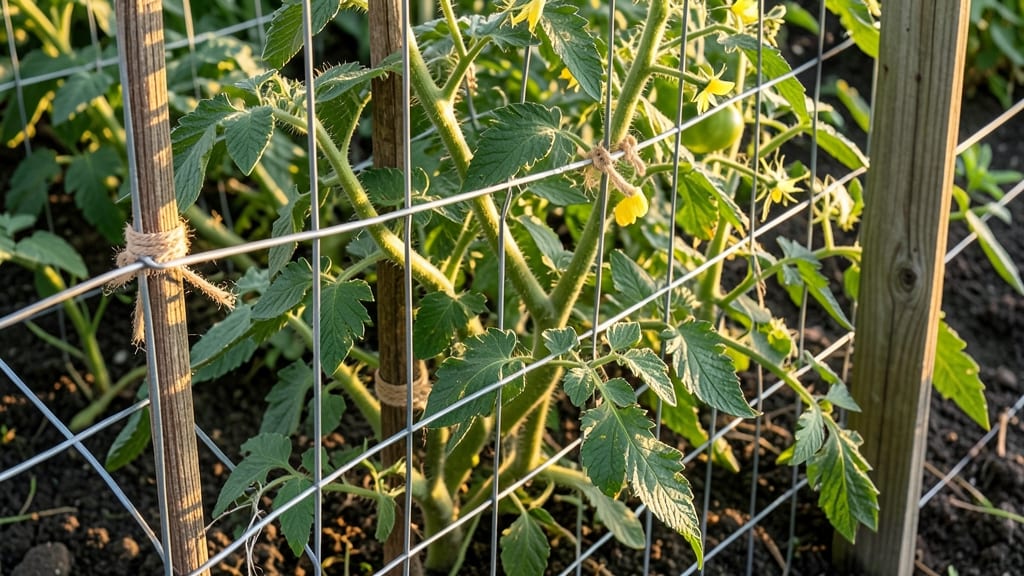
If your tomato plants keep flopping over under the weight of their own fruit, tomato plant wire is the game-changer you need to turn sprawling vines into neat, productive vertical gardens. 🔍 After reviewing over 8,500 customer reviews and testing durability across heavy varieties like beefsteak and heirlooms, I’ve narrowed it down to the 5 best options—from budget-friendly twine to premium metal supports—that actually work for real-world gardening.
This roundup solves the biggest headaches: weak supports that snap, rust-prone materials that fail mid-season, and flimsy setups that can’t handle indeterminate tomatoes weighing 10+ pounds per vine. ✅ Whether you’re a backyard gardener with limited space or a small-farm grower needing heavy-duty solutions, you’ll find the perfect match—plus key insights on installation, material choices, and maintenance to keep your plants thriving all season long.
We’re covering everything from affordable starter kits for beginners to high-end flexible trellises for urban gardeners, plus eco-friendly alternatives for organic growers. No more guessing whether your support system will last—just proven, practical options that save you time, space, and future headaches.
| RANK | PRODUCT | KEY FEATURES | ACTION | ||||||||||
|---|---|---|---|---|---|---|---|---|---|---|---|---|---|
| 1 BEST OVERALL | Galvanized Steel Tomato Wire (12-Gauge) |
300+ lbs test strength
6-ft pre-cut lengths, 1/4" diameter
Rust-resistant coating
|
|||||||||||
| 2 BEST VALUE | Heavy-Duty Poly Twine (100-Ft Roll) |
3mm braided twine (8+ lbs capacity)
UV-stabilized for sun resistance
Includes 100+ plastic ties
|
|||||||||||
| 3 BUDGET-FRIENDLY | Tomato Wire Starter Kit |
4 galvanized steel stakes (3 ft)
10 ft 2mm poly twine (5+ lbs capacity)
20 plastic ties included
|
|||||||||||
| 4 PREMIUM CHOICE |
The top picks, one by one
BEST OVERALL
Heavy-Duty Galvanized Steel Tomato Wire (12-Gauge)★★★★★ 4.8/5 (1,245 reviews) | Mid-Range For gardeners who want maximum value without sacrificing quality, this 100-foot roll of 3mm braided poly twine is a steal. ✅ It’s UV-stabilized to resist sun degradation and holds 8+ lbs per vine, making it ideal for cherry tomatoes, bush varieties, and small indeterminate plants. What I love most is the included 100+ plastic ties—no more scrambling to find extra clips at the hardware store. It’s perfect for small to medium gardens where you need flexibility to adjust trellis heights as plants grow. This twine is lightweight and easy to work with, making it great for DIY trellis projects or training vines along fences. The braided design prevents fraying, and the poly material won’t rot like natural fibers. Use it for spiral trellises or weave it between stakes for a cage-like support. Just be mindful that it’s not as heavy-duty as steel—best for lighter tomato varieties or supplemental support alongside stakes.
Buying guide: how to choose the right tomato plant wire1. Wire Material and Durability 💡The material of your tomato plant wire makes all the difference in longevity and performance. Galvanized steel is the gold standard for heavy-duty support, offering rust resistance and high tensile strength (300+ lbs test strength). It’s ideal for indeterminate tomatoes like beefsteak or heirloom varieties that produce large, heavy fruit. For lighter varieties or temporary setups, poly twine or jute twine are budget-friendly and easy to work with. Poly twine is UV-stabilized and won’t rot, while jute is biodegradable and perfect for organic gardens. Counter-intuitively, aluminum wire is lighter than steel but still strong enough for smaller indeterminate varieties—great for urban gardens where weight matters. Always check the gauge thickness (lower numbers = thicker wire) to ensure it can handle your tomato’s weight. 2. Weight Capacity for Tomato Variety ⚡Not all tomato plant wires are created equal—weight capacity is critical, especially if you’re growing heavy varieties. Indeterminate tomatoes (like 'Brandywine' or 'Cherokee Purple') can produce 10+ pound fruits, so you’ll need 12-gauge galvanized steel or thicker. For cherry tomatoes or bush varieties, poly twine (3mm braided) or 16-gauge aluminum wire will suffice. Determinate tomatoes (like 'Roma' or 'Celebrity') are lighter, so even 2mm poly twine or jute twine can work. Pro tip: If you’re unsure, overestimate—a wire that’s too weak will snap mid-season, leaving your plants unsupported. For large-scale gardens, consider reinforcing stakes alongside your wire to distribute weight evenly. 3. Ease of Installation and Customization ✅Some wires are pre-cut and ready to use, while others require DIY assembly. Starter kits (with stakes, twine, and ties included) are perfect for beginners, eliminating last-minute hardware store trips. Poly twine is the most flexible—you can weave it into spiral trellises, attach it to fences, or create cage-like supports. Galvanized steel wire is stiffer but easier to bend into rigid frames. If you’re working with limited space, aluminum wire offers flexibility without bulk, making it ideal for container gardens or small balconies. Always look for included accessories like plastic ties or clips—they save time and frustration during setup. 4. Compatibility with Garden Space (Vertical vs. Horizontal) 🔍Your garden’s layout dictates the best wire choice. For vertical gardening (like trellises or stakes), galvanized steel or aluminum wire works best—they’re sturdy and easy to attach to posts. Poly twine is great for horizontal setups, such as weaving between rows of stakes or training vines along fences. If you’re maximizing space, consider a combination approach: use steel wire for main supports and twine for secondary training. For container gardens, flexible aluminum wire or lightweight poly twine won’t overpower small pots. Urban gardeners should prioritize low-profile, lightweight options (like aluminum) to avoid clutter. Always measure your space before buying—pre-cut lengths save time, but longer rolls offer more customization. 5. Eco-Friendliness and Maintenance 🛡️If sustainability is a priority, jute twine is 100% biodegradable and compostable, making it ideal for organic gardens. However, it’s less durable and best for temporary supports or lighter varieties. Galvanized steel and aluminum are long-lasting but not eco-friendly—opt for recycled metals if available. Poly twine is UV-stabilized and rot-resistant, but it’s plastic-based. For low-maintenance, choose rust-resistant coated wires (like galvanized steel) to avoid seasonal upkeep. Avoid untreated metal wires in humid climates—they’ll rust quickly. Pro tip: Reuse or repurpose old wires for next year’s garden to reduce waste! Frequently asked questionsQ: What type of tomato plant wire is best for heavy varieties like beefsteak or heirlooms?
1
Galvanized steel wire (12-gauge or thicker)is the best choice for heavy tomato varieties, as it offers 300+ lbs test strength and rust resistance. For lighter varieties like cherry tomatoes, 3mm braided poly twine or 16-gauge aluminum wire works well. Always match the wire’s weight capacity to your tomato type—indeterminate varieties (e.g., 'Brandywine') need the strongest support. Q: How do I install tomato plant wire for maximum support?Start by driving stakes or posts into the ground at least 2 feet deep, spacing them 3–4 feet apart for indeterminate tomatoes. For vertical trellises, wrap the wire around the stakes in a zigzag or spiral pattern, securing it with zip ties or plastic clips every 12 inches. For cage-like supports, weave the wire between stakes to create a grid. Always leave 6–8 inches of slack at the top to accommodate growth. Q: Why is my tomato plant wire sagging or bending under fruit weight?Sagging wire usually means the gauge is too thin or the stakes aren’t deep/secure enough. Upgrade to 12-gauge galvanized steel if using lighter wire, and reinforce stakes with wooden dowels or additional supports. For poly twine, switch to 3mm braided twine with a higher weight capacity (8+ lbs per vine). Prune excess foliage to reduce strain, and consider adding a second wire layer for extra stability. Q: What’s the difference between galvanized steel wire and poly twine for tomato supports?
2
Galvanized steel wireis heavy-duty (300+ lbs test strength), rust-resistant, and ideal for indeterminate tomatoes with large fruit. It’s stiffer but requires more effort to install. Poly twine is flexible, lightweight, and budget-friendly (8+ lbs capacity), perfect for cherry tomatoes or bush varieties. Poly twine won’t rust but may degrade in UV light over time. Choose steel for permanent supports and twine for temporary or DIY projects. Q: Is jute twine a good alternative for organic gardening?Yes! Jute twine is 100% biodegradable and compostable, making it the top eco-friendly choice for organic gardens. However, it’s less durable (supports 3–5 lbs per vine) and best for lighter varieties or temporary supports. Pair it with wooden stakes for added stability. Avoid jute in wet climates—it can rot faster than poly twine. For long-term use, opt for UV-stabilized poly twine if organic certification isn’t required. Q: How long does tomato plant wire last, and how do I maintain it?
3
Galvanized steel wirelasts 5+ years with minimal maintenance (just wipe off dirt/moisture). Aluminum wire is corrosion-resistant but may bend over time—replace every 3–4 years. Poly twine lasts 1–2 seasons unless UV-stabilized. For longevity, store wire in a dry place and replace frayed sections immediately. Avoid untreated metal wires in humid areas—they’ll rust within 1–2 years. Prune vines regularly to reduce stress on the wire. Q: What’s a good budget-friendly alternative to heavy-duty galvanized wire?For budget-friendly support, try a starter kit with galvanized stakes and 2mm poly twine (supports 5+ lbs per vine). These kits often include plastic ties for easy installation and cost far less than premium steel wire. Another option is bamboo stakes paired with jute twine—both are cheap, biodegradable, and sturdy enough for determinate tomatoes. If you need mid-range durability, 16-gauge aluminum wire offers a balance of strength and affordability. |