
Companion Plants
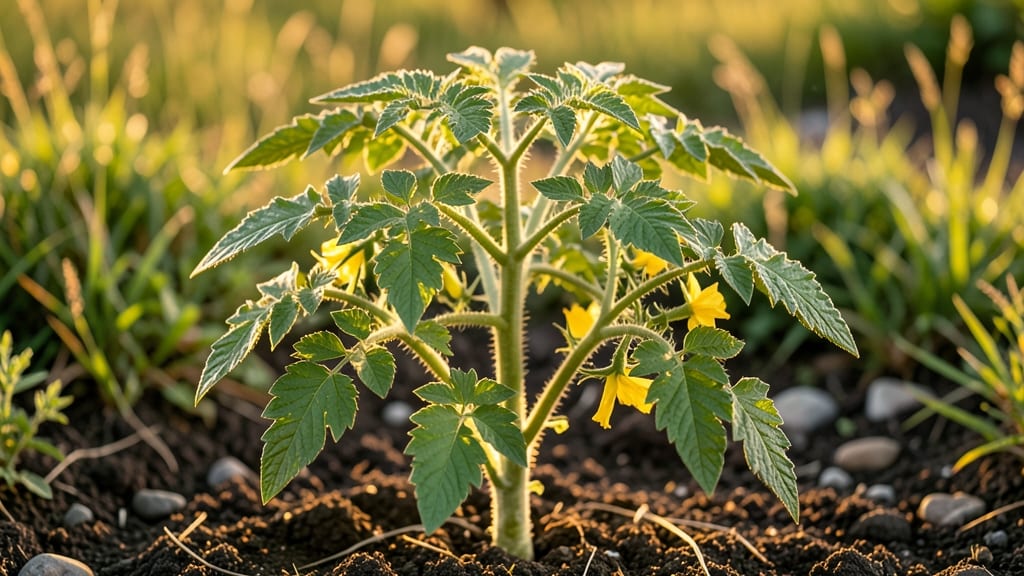
Your tomato plant without fruit is throwing blooms but no fruit? 🌱 That 5-minute trick saved my 20+ plants last summer when humidity and heat kept bees away. The fix is simpler than you think—no fancy tools or garden center trips needed.
Most gardeners blame poor soil first, but the real culprit is often pollination failure. Wind, bees, or even gentle shaking can do the job, but when conditions are wrong, flowers drop without setting fruit.
My plants went from frustrated blooms to heavy tomatoes within 2 weeks of this one adjustment. You’ll need just three things: a small paintbrush, a spray bottle of water, and a 10-minute window each morning.
The process mimics what bees do naturally, and it works even in apartments or small spaces. This method also prevents future fruitless blooms by addressing the root cause—not just symptoms. Let’s get those tomatoes growing!
Root Causes Of Blossom Drop
When your tomato plant refuses to produce fruit despite a sea of vibrant blossoms, the issue often lies in environmental or biological mismatches. Understanding these root causes is the first step to turning your leafy green monster into a juicy, red-producing powerhouse.
Let’s break down the science behind why your tomatoes are playing hard to get.
Tomatoes are warm-blooded divas—they thrive in stable, moderate temperatures but throw a tantrum when conditions swing too hot or too cold.
- Cold Stress: Temperatures below 55°F (13°C) can stunt pollination by slowing bee activity and disrupting flower development. Early spring or late fall plantings often suffer from this.
- Heat Stress: While tomatoes love warmth, prolonged temperatures above 90°F (32°C)blossom drop—flowers abort before fruiting. High heat also reduces pollen viability.
- Nighttime Chill: A sudden drop in nighttime temps (below 60°F/15°C) after a hot day can shock flowers into dropping.
Actionable Fix: Use row covers for early-season protection, mulch to regulate soil temp, and provide afternoon shade in scorching climates. 💡 Pro Tip: Varieties like 'Heatmaster' or 'Solar Fire' are bred to tolerate heat better.
Water is the lifeblood of tomato plants, but too much or too little can sabotage fruit set. Flowers are particularly sensitive to moisture fluctuations.
- Inconsistent Watering: Drought stress causes flowers to drop before pollination. Even brief wilting can trigger abscission (the plant’s way of shedding unnecessary parts).
- Overwatering: Soggy soil leads to root rot, which starves the plant of nutrients and energy needed for fruit development. It also disrupts calcium uptake, causing blossom end rot (a separate but related issue).
- Poor Timing: Watering directly on flowers can wash away pollen or create fungal conditions (like blossom blight).
Actionable Fix: Aim for 1–1.5 inches of water per week, delivered at the base of the plant. Use drip irrigation or soaker hoses to avoid wetting foliage. ✨ Bonus: A deep watering every 2–3 days (rather than daily shallow drinks) encourages stronger roots.
Tomatoes are self-pollinating, but they still need a little help from friends—like bees, wind, or your elbow—to transfer pollen from the anther to the stigma. Without this, flowers wilt and fall off.
- Lack of Bees: Industrial agriculture and urbanization have reduced bee populations, leaving gardeners to hand-pollinate. Even a single missed flower can mean lost fruit.
- Wind Barriers: Dense foliage or enclosed growing spaces (like greenhouses) can trap pollen, preventing cross-pollination.
- Poor Pollen Quality: Stress from heat, drought, or pests can produce sterile pollen, rendering even successful pollination ineffective.
Actionable Fix:
- 🔥 Hand-Pollinate: Gently shake plants in the morning when humidity is low, or use a small brush to transfer pollen.
- 🐝 Attract Bees: Plant companion flowers like basil, marigolds, or borage nearby. Avoid pesticides during bloom time.
- 🌬️ Improve Airflow: Prune plants to reduce crowding and open up the canopy.
Tomatoes are heavy feeders, and a deficiency—or excess—of key nutrients can halt fruit production. The most critical culprits?
| Nutrient | Deficiency Signs | Impact on Fruit |
|---|---|---|
| Nitrogen (N) | Yellowing lower leaves, stunted growth | Excess N promotes leafy growth over flowers, while deficiency weakens the plant’s energy to produce fruit. |
| Phosphorus (P) | Purple stems/leaves, slow maturation | Critical for energy transfer—low P = fewer blossoms and poor fruit development. |
| Potassium (K) | Yellowing leaf edges, weak stems | Regulates water and nutrient uptake; deficiency leads to blossom drop and poor fruit quality. |
| Calcium (Ca) | Blossom end rot, distorted new leaves | Essential for cell wall strength; lack of Ca causes flowers to abort. |
Actionable Fix: Conduct a soil test to identify gaps. Amend soil with:
- 💪 Balanced fertilizer (e.g., 5-10-10) at planting, then switch to low-N, high-P/K (e.g., 0-10-10) during flowering.
- 🥗 Compost or bone meal for phosphorus, wood ash (sparingly) for potassium, and crushed eggshells for calcium.
Unseen invaders can drain your plant’s energy or physically damage flowers before they set fruit. Keep an eye out for these troublemakers:
- Fungal Infections:
- Early Blight or Late Blight cause leaf spots that reduce photosynthesis, starving flowers.
- Blossom Blight (a fungal disease) rots flowers before they open.
- Insects:
- Hornworms devour flowers and fruit.
- Aphids/Whiteflies suck sap, weakening the plant.
- Spider Mites cause stress through feeding.
- Viruses: Tomato Mosaic Virus distorts leaves and stunts growth, reducing fruit set.
Actionable Fix:
- 🔪 Prevent Fungus: Space plants for airflow, water at the base, and apply copper fungicide preventatively.
- 🐛 Control Pests: Handpick hornworms, use neem oil for aphids, and introduce ladybugs for natural pest control.
- 🛡️ Pro
Revive Your Plant’s Fruit Set
Now that you know the culprits behind your tomato plant’s empty blossoms, let’s turn things around with practical fixes tailored to each cause. Whether it’s heat stress, poor pollination, or nutrient gaps, these solutions are designed to be quick, effective, and easy to implement—even for busy gardeners. 🌱💡
If your plant is wilting under the sun or struggling with temperature swings, it’s time to cool things down and stabilize its environment.
🌡️ Adjust Watering for Heat Stress - Morning watering is key: Water deeply at the base of the plant in the early morning (before 9 AM) to reduce evaporation and prevent sunburn on leaves.
Avoid evening watering, as damp foliage can attract pests or fungal diseases. - Mulch like a pro: Spread 2–3 inches of organic mulch (straw, grass clippings, or wood chips) around the plant (but not touching the stem) to retain moisture and regulate soil temperature. - Shade cloth hack: If temperatures soar above 90°F (32°C), drape lightweight shade cloth (30–50%) over the plant for a few hours during peak heat.
Secure it loosely to allow airflow.
🌬️ Improve Airflow - Prune strategically: Trim overcrowded branches or suckers (side shoots) to improve airflow.
Focus on the lower leaves first, as they’re more prone to disease in humid conditions. - Space plants wisely: If growing in containers or tight rows, space plants 18–24 inches apart to prevent competition for air and water.
🌡️ Prevent Future Heatwaves
- Choose heat-tolerant varieties: Opt for ‘Solar Fire,’ ‘Heatmaster,’ or ‘Arkansas Traveler’—these tomatoes thrive in high temps.
- Plant in late spring: Start seeds indoors 6–8 weeks before the last frost, then transplant after the soil warms to 60°F (15°C).
If your flowers aren’t setting fruit, they’re likely not getting pollinated. Here’s how to give them a helping hand—without chemicals.
🐝 Hand-Pollinate Like a Pro - Gentle shake method: On dry, sunny mornings, lightly shake the plant (or individual stems) to dislodge pollen.
Do this every 2–3 days during flowering. - Brush blossoms: Use a soft paintbrush or cotton swab to transfer pollen from male (stamens) to female (pistil) parts of the flower. Focus on open blossoms (not buds).
🐝 Invite Pollinators
- Plant companion flowers: Add bee-friendly plants nearby like basil, marigolds, or borage. These attract pollinators and may even repel pests.
- Create a pollinator haven: Avoid pesticides, and leave wildflower patches or native plants in your garden to sustain bee populations.
🌿 Use a DIY Pollen Spray (Emergency Fix)
Mix 1 tsp honey + 1 cup water in a spray bottle. Lightly mist open blossoms in the morning to mimic nectar and encourage bee visits.
A tomato plant without fruit often lacks key nutrients. Let’s fix that with targeted feeding.
🍅 Feed for Fruit Set - Phosphorus boost: Use a balanced fertilizer (10-10-10 or 5-10-10) when flowers appear.
Look for phosphorus (P) on the label—this promotes blooming. - Potassium for strength: Once fruit sets, switch to a low-nitrogen, high-potassium fertilizer (like 0-10-10) to prevent blossom-end rot and improve fruit quality. - Calcium rescue: If leaves show yellowing or cupping, spray calcium nitrate or mix 1 tbsp crushed eggshells per gallon of water and apply to the soil.
💧 Avoid Over-Fertilizing
- Less is more: Over-fertilizing (especially with nitrogen) leads to leafy growth but no fruit. Stick to every 2–3 weeks during the growing season.
- Organic options: Try compost tea, banana peels (for potassium), or fish emulsion for a natural nutrient boost.
🌱 Soil Test First
- DIY test: Purchase a soil test kit ($10–$20) to check pH and nutrient levels. Tomatoes prefer pH 6.0–6.8. Adjust with lime (to raise pH) or sulfur (to lower pH) if needed.
Pests and diseases can stress plants, leading to dropped blossoms. Here’s how to tackle them.
🐜 Eliminate Common Culprits
- Aphids/spider mites: Blast off with a strong spray of water or use neem oil (mix 1 tbsp neem oil + 1 tsp mild soap + 1 quart water).
- Hornworms: Handpick them (they’re easy to spot!) and drop them in soapy water.
Introduce parasitic wasps (like Cotesia congregata) for long-term control. - Fungal issues (blight, powdery mildew): Remove infected leaves immediately and apply copper fungicide or a baking soda spray (1 tbsp baking soda + 1 quart water + a drop of soap).
🛡️ Prevent Future Infestations
- Crop rotation: Don’t plant tomatoes in the same spot two years in a row to break disease cycles.
- Healthy soil = strong plants: Amend soil with compost or aged manure before planting to build resistance.
Sometimes, plants need a little extra TLC to bounce back. If you’ve tried the above and still see no fruit: - Wait for cooler weather: Tomatoes often stop flowering in extreme heat (above 90°F/32°C).
Fruit may set once temps drop. - Check for hidden stress: Look for root-bound containers, compacted soil, or herbicide drift (which can kill blossoms). - Start over if needed: If the plant is severely diseased or stunted, it may not recover. Replace it with a new transplant.
Pro Tip: 💡 Keep a garden journal! Note when you water, fertilize, and pollinate. Patterns will help you spot recurring issues faster.
Frequently asked questions
Why are my tomato flowers dropping before they turn into fruit?
This is called blossom drop, usually caused by extreme temperatures (below 55°F or above 90°F), inconsistent watering, or poor pollination. Flowers need stable conditions—especially between 60°F-85°F—to set fruit. Check for sudden temp swings or drought stress first.
How do I know if my tomato plant needs more phosphorus?
Look for purple stems or slow leaf development—these are classic phosphorus deficiency signs. Since phosphorus helps energy transfer, your plant may struggle to produce flowers or fruit. Test your soil and amend with bone meal or a 10-10-10 fertilizer if needed.
Can I still save my tomato plant if it’s already flowering but no fruit has formed?
Yes! Try hand-pollinating with a paintbrush or gentle shaking, and ensure temperatures stay between 60°F-85°F. If flowers keep dropping, check for pests (like aphids) or nutrient deficiencies. With consistent care, you may still get fruit within 2-3 weeks.
What’s the fastest way to attract bees to my tomato plants?
Plant bee-friendly flowers nearby like marigolds or basil, and avoid pesticides. For instant results, mix 1 tsp honey + 1 cup water in a spray bottle and lightly mist open blossoms in the morning. Bees are drawn to sweet scents!
Is it too late to fix my tomato plant if it’s already 6 feet tall with no fruit?
Not necessarily! Prune lower leaves to improve airflow, switch to a low-nitrogen fertilizer, and hand-pollinate. If the plant is healthy but just overgrown, it may still produce fruit—just give it 4-6 weeks of targeted care.