
Companion Plants
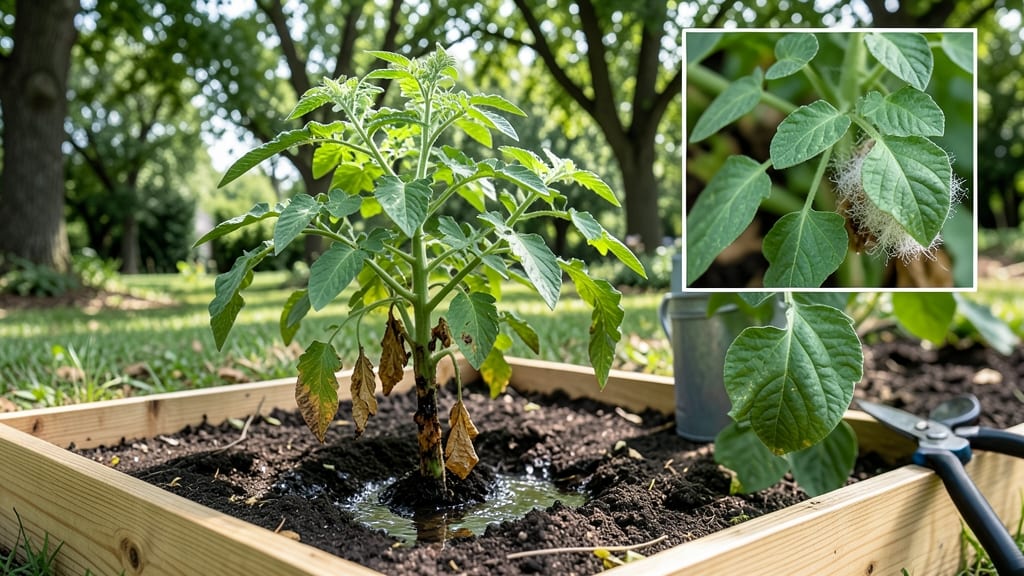
Seeing your tomato plants dying from the bottom up isn’t just a sad sight—it’s a cry for help from your roots. 🌱 I’ve seen this happen after heavy rains, overzealous watering, or when fungal infections like verticillium wilt creep in unnoticed.
The good news? You can still save them with the right steps.
Most cases boil down to overwatering or root rot, where soggy soil suffocates roots and invites fungal invaders. You might also spot yellowing leaves, stunted growth, or a foul smell at the base—classic red flags. The key is acting fast before the disease spreads to your entire garden.
With copper fungicide and strategic pruning, you can revive struggling plants and prevent future outbreaks. Start by trimming diseased foliage, adjust your watering routine, and apply a protective copper spray. Within 2-3 weeks, you’ll see healthier stems and new growth pushing through.
This fix works for backyard gardens, raised beds, and even container plants. The secret is consistency—once you spot the first signs, tackle it before it becomes a full-blown crisis. Let’s bring your tomatoes back from the brink!
Root Rot’s Silent Takeover
When your tomato plants start wilting from the bottom up, it’s often a cry for help from their roots—literally. This distress signal usually points to root rot, a fungal or bacterial infection that thrives in waterlogged soil and suffocates your plants’ lifeline.
But why does this happen? Let’s break down the sneaky culprits behind this common (and devastating) issue.
Tomatoes need consistent moisture, but too much water is a fast track to root rot. When soil stays soggy for days—or worse, sits in standing water—oxygen gets squeezed out, creating the perfect anaerobic (oxygen-free) environment for Pythium and Phytophthora fungi to feast on roots.
Why it’s deadly:
- Pythium attacks root tips first, turning them mushy and brown.
- Phytophthora spreads faster in cool, wet conditions, blocking water and nutrient uptake.
- Healthy roots need 10–30% air space—if soil stays saturated, roots suffocate.
💡 Pro Tip: Test your soil’s drainage by scooping a handful—if water drips slowly (or not at all), your soil is too dense. Amend with perlite, sand, or compost to improve airflow.
Fungal pathogens like Fusarium and Rhizoctonia don’t just appear—they wait for weak roots. These fungi produce spores that germinate in moist, warm soil (ideal conditions: 60–85°F). Once they latch on, they:
- Clog root cells, preventing water absorption.
- Secrete toxins that kill root tissue from the inside out.
- Spread upward through the plant’s vascular system, causing wilting.
🔥 Watch for: Yellowing leaves, stunted growth, and a musty smell when roots are disturbed.
If your garden beds or containers lack proper drainage, water pools at the roots instead of draining away. Clay soil, compacted earth, or containers without drainage holes turn your tomato’s root zone into a fungal buffet.
Red flags:
Sign
What It Means
Puddles after rain
Soil is too dense; water can’t escape.
White, foamy roots
Fungal growth or bacterial infection.
Plants wilt even when soil is wet
Roots can’t absorb water due to rot.
✨ Fix it: Raise beds, add organic matter (like leaf mold), or switch to container gardening with drainage holes.
Tomatoes hate extremes. Cold soil (<50°F) slows root growth, while heat waves (>90°F) can scorch roots, making them vulnerable to infections. When roots are stressed, they:
- Lose their protective barrier, inviting pathogens.
- Fail to absorb nutrients, leading to yellowing leaves.
- Succumb faster to rot in fluctuating conditions.
🌡️ Ideal root zone temp: 60–75°F. Use mulch to regulate soil temperature and protect roots.
Key Takeaway: Root rot doesn’t happen overnight—it’s the result of consistent poor conditions. The good news? Fixing drainage, adjusting watering, and boosting soil health can reverse the damage before it’s too late. Stay tuned for our Root Rot Rescue Guide to save your tomatoes!
Revive Your Tomato Plants Now
When your tomato plants start wilting from the bottom up, it’s a sign they’re fighting for their lives—but don’t give up yet! With the right approach, you can turn things around and save your harvest.
Below, we’ve mapped out practical, step-by-step solutions tailored to the most common causes of bottom-up decline, plus prevention tips to keep your plants thriving.
If your tomato plants are drowning in soggy soil, root rot is likely the culprit. Here’s how to drain, dry, and revive them:
🚿 Step 1: Stop Watering Immediately
- Why? Overwatering is the #1 cause of root rot. Let the soil dry out before taking further action.
- How? Pause irrigation (including rainwater if possible) for 3–5 days to allow excess moisture to evaporate.
🌱 Step 2: Improve Drainage
- Dig deeper: Amend the soil with organic matter like compost, coconut coir, or perlite to break up compacted earth.
- Raise the bed (if needed): If your garden has poor drainage, consider elevating containers or creating a raised bed for future plantings.
- Add sand? Not recommended—it can worsen drainage issues.
Stick to organic amendments instead.
💧 Step 3: Apply Fungicide (If Needed)
- Copper-based sprays (like copper sulfate) can help fight fungal root rot. Follow label instructions for soil drenching.
- Alternative: A hydrogen peroxide solution (1 tablespoon per gallon of water) can oxygenate roots and kill pathogens.
🌿 Prevention Tips for Waterlogged Soil
✅ Test your soil before planting—aim for well-draining, slightly acidic (6.0–6.8 pH) conditions. ✅ Water deeply but less often—tomatoes prefer 1–1.5 inches per week, not daily drips. ✅ Use mulch (straw or shredded leaves) to regulate moisture without suffocating roots.
Too much fertilizer (especially synthetic blends) can burn roots, leading to wilting. Here’s how to reset the soil:
💦 Step 1: Flush the Soil
- Water heavily for 10–15 minutes to leach out excess salts.
- Repeat 2–3 times over a week to fully rinse the root zone.
🌱 Step 2: Switch to Organic Fertilizer
- Compost tea or fish emulsion provides gentle, balanced nutrients without salt buildup.
- Avoid high-nitrogen feeds (like blood meal) until the plant recovers.
🔄 Step 3: Prune Damaged Roots (If Possible)
- Gently loosen soil around the base (if not waterlogged) and trim black, mushy roots with sterilized scissors.
- Replant carefully in fresh, amended soil if roots are severely damaged.
💡 Prevention Tips for Fertilizer Burn
✅ Follow the "less is more" rule—half the recommended dose is often enough for tomatoes. ✅ Use slow-release organics (like worm castings) instead of synthetic granules. ✅ Monitor leaf color—yellowing between veins = nitrogen overload; crispy edges = salt burn.
If aphids, nematodes, or fungal infections are to blame, aggressive pruning and barriers can save your plants.
✂️ Step 1: Prune Infested Foliage
- Cut off yellowed, curled, or sticky leaves (signs of pests/disease) below the damage to prevent spread.
- Dispose of clippings in a sealed bag (not compost)—don’t let pathogens reinfect the soil.
🛡️ Step 2: Apply Natural Pesticides
- Neem oil spray (1 tsp per quart of water + drop of dish soap) smothers soft-bodied pests like aphids.
- Beneficial nematodes (for root-knot worms) can be watered into the soil at dusk.
🌡️ Step 3: Adjust Growing Conditions
- Improve airflow by spreading plants apart (tomatoes need 18–24 inches of space).
- Water at the base (not overhead) to reduce fungal spores in the air.
🎯 Prevention Tips for Pest & Disease
✅ Rotate crops—never plant tomatoes in the same spot two years in a row. ✅ Interplant with repellents like basil, marigolds, or garlic to deter pests. ✅ Inspect plants weekly—early action prevents outbreaks!
If your tomato is beyond saving but you want to salvage the season:
- Take healthy cuttings from the top of the plant and root them in water or fresh soil.
- Start a new transplant from a nursery if your growing season allows.
Remember: Tomatoes are resilient! With proper care, patience, and prevention, your plants will bounce back—and you’ll be enjoying juicy, homegrown tomatoes in no time. 🍅🌟
Frequently asked questions
Why do my tomato leaves turn yellow first at the bottom?
Yellowing leaves starting from the bottom are classic signs of root stress or nutrient deficiencies. When roots can't absorb water or nutrients (often from overwatering, poor drainage, or root rot), the plant prioritizes keeping the top leaves alive. Check for soggy soil or foul odors—these are red flags for fungal infections.
Can I save a tomato plant with black stems at the base?
It depends on how far the damage has spread. If only the very bottom 1-2 inches are blackened, you may still save it by pruning above the healthy tissue and improving drainage. For severe cases, take cuttings from the top and root them in fresh soil. The key is acting fast before the disease reaches the main stem.
How often should I water tomatoes to prevent bottom rot?
Tomatoes prefer deep but infrequent watering—about 1-1.5 inches per week, delivered at the base rather than overhead. Let the top 1-2 inches of soil dry between waterings. Mulching with straw helps maintain even moisture while preventing soil-borne diseases from splashing onto leaves.
Will copper spray really fix my dying tomato plants?
Yes, but it's most effective when used as part of a complete treatment plan. Copper fungicides (like copper sulfate) help prevent fungal spread, but you must also improve drainage and remove infected plant debris. For best results, apply in the early morning when humidity is lower, and reapply every 7-10 days until new growth appears.
Can I use hydrogen peroxide to treat root rot?
A 3% hydrogen peroxide solution (1 tablespoon per gallon of water) can oxygenate compacted soil and kill pathogens. Water the soil with this mixture every 3-5 days while also improving drainage. The bubbling action helps break up anaerobic conditions that fuel root rot.