
Companion Plants
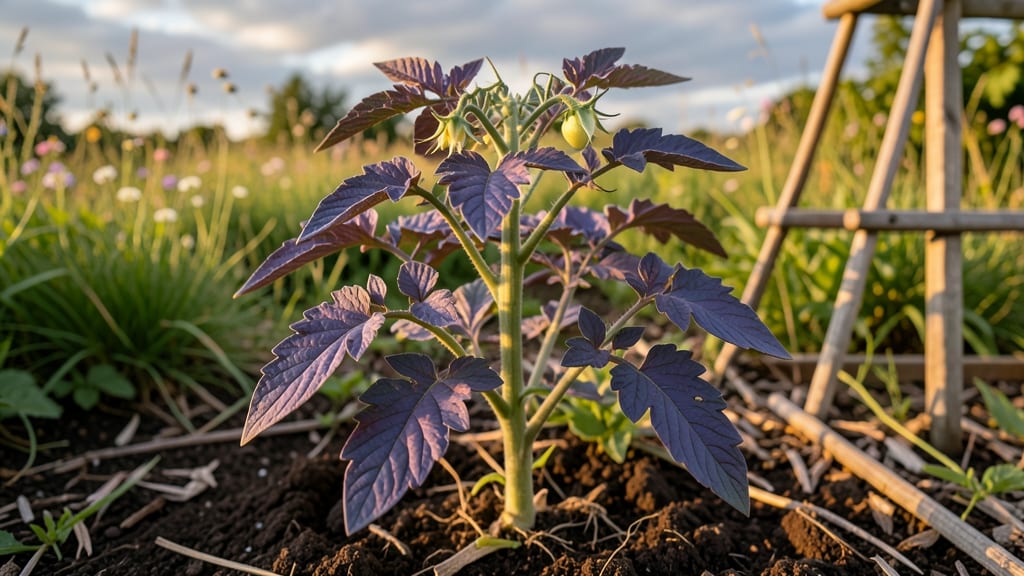
When your tomato plants look purple, it’s not just a cosmetic issue—it’s a cry for help. 🌱 I’ve seen this happen after years of growing tomatoes, and the good news is that calcium deficiency (or sometimes phosphorus stress) has a straightforward fix.
The first step? Stop guessing and start testing your soil—because what looks like a nutrient problem might actually be a pH issue or even a viral infection hiding in plain sight.
Most gardeners jump to adding fertilizer, but that’s often the wrong move. Purple stems or leaves can mean your soil lacks calcium, phosphorus, or even magnesium—but it could also be a sign of overwatering, poor drainage, or even a virus like tomato mosaic.
The key is observing where the purple appears: older leaves? New growth? That tells you exactly what’s wrong and how to act fast.
Here’s the game-changer: a simple soil test and three targeted fixes—calcium supplements, balanced fertilizer, or even a change in watering habits. Within days, those purple streaks fade, and your plants start focusing on fruit instead of survival.
The best part? You’ll prevent it from happening again by adjusting your soil’s pH and feeding routine.
This works for container gardens, raised beds, and in-ground plots alike. No matter how severe the purple looks, the solution is within reach—let’s get your tomatoes back to their vibrant best.
Hidden Causes Behind Purple Tomatoes
If your tomato plants are sporting an unexpected purple hue, don’t panic—this isn’t always a sign of disease or failure. Instead, it’s often a visual SOS from your plants, signaling underlying issues that can be easily addressed.
Below, we break down the most common reasons why tomato plants develop purple leaves, stems, or even fruit—and what’s really going on in the soil and plant biology.
When tomato plants look purple, calcium deficiency is the most frequent culprit—especially in young leaves, stems, or blossom ends of fruit. Calcium is the structural backbone of plant cell walls, and without enough of it, your tomatoes can’t grow strong or healthy.
Why it happens:
- Poor soil absorption: Even if your soil has calcium, plants struggle to take it up efficiently when:
- pH is off (calcium thrives in slightly acidic to neutral soil, pH 6.0–7.0). If your soil is too alkaline (high pH), calcium binds tightly to soil particles and becomes unavailable. 🌡️ Test your soil’s pH with a simple kit—adjust with sulfur (to lower pH) or lime (to raise it).
- Competing nutrients like potassium or magnesium hog the spotlight, leaving calcium in the dust.
- Overwatering or uneven moisture causes calcium to leach away before roots can absorb it. ⏰ Water deeply but infrequently—aim for 1–1.5 inches per week.
What to watch for:
- Blossom end rot (purple-black, mushy spots on fruit).
- Stunted growth or crinkled new leaves.
- Purple-tinged stems (especially in seedlings).
Quick fix: Apply calcium-rich amendments like:
- Crushed eggshells (bake and grind for a slow-release boost).
- Gypsum (calcium sulfate, safe for all soil types).
- Epsom salt (magnesium sulfate, but only if magnesium is also deficient—test first!).
Tomatoes are warm-weather babies, and extreme temperatures—whether scorching heat or a sudden chill—can trigger purple pigmentation as a survival tactic. This isn’t a nutrient issue; it’s your plant’s way of protecting itself from damage.
Why it happens:
- Heat stress (above 90°F/32°C): High temperatures disrupt calcium uptake and cause oxidative stress, leading to purple hues in leaves. 🔥 Shade cloth (30–50%) can help during peak afternoon sun.
- Cold snaps (below 50°F/10°C): Purple leaves often appear after a frost or chilly night, especially in heirloom varieties (like Cherokee Purple). The plant produces anthocyanins—natural pigments that act as sunscreen and antifreeze to shield cells.
- Fluctuating temps: Rapid changes (e.g., warm days + cool nights) confuse the plant’s metabolic processes.
What to watch for:
- Purple only on newer leaves (not the older, greener ones).
- Wilting or yellowing alongside the purple (sign of shock).
- Slowed growth despite regular watering.
Quick fix:
- Mulch heavily (straw or black plastic) to regulate soil temp.
- Use row covers for early/late-season protection.
- Avoid fertilizing during temperature swings—plants focus on survival, not growth.
Water isn’t just about hydration—it’s a delivery system for nutrients. When your tomato plants look purple, irregular watering is often the sneaky saboteur.
Why it happens:
- Underwatering: Causes calcium and nutrient imbalances as roots scramble for moisture. Purple leaves signal stress-induced anthocyanin production (the same pigment that makes red cabbage red!).
- Overwatering: Leaches calcium and other nutrients out of the root zone, leaving plants starved. 💦 Check soil moisture 1–2 inches down—if it’s soggy, cut back.
- Inconsistent watering: Plants on a "feast or famine" schedule develop uneven nutrient uptake, leading to purple patches.
What to watch for:
- Wilting despite wet soil (root rot from overwatering).
- Purple leaves paired with yellowing (nutrient leaching).
- Blossoms dropping before fruiting (calcium starvation).
Quick fix:
- Water deeply 2–3 times per week (early morning is best).
- Use drip irrigation to keep moisture consistent.
- Add compost tea to replenish leached nutrients.
Not all purple is a red flag! Some tomato varieties are naturally purple-leaved or develop temporary pigmentation as part of their growth cycle.
Why it happens:
- Heirloom varieties: Tomatoes like Indigo Rose or Black Krim have anthocyanin-rich skin and leaves—a normal, even desirable trait. These pigments act as UV protection and may boost antioxidant levels in the fruit.
- Seedling phase: Young tomato plants (especially organic or heirloom seeds) may turn purple before "greening up" as they mature. 🌱 This is harmless if the plant otherwise looks healthy.
- Cold-induced pigmentation: Some varieties (e.g., Cherokee Purple) darken in cooler weather but rebound when temps rise.
What to watch for:
- Uniform purple across the entire plant (not just spots).
- No wilting, stunting, or yellowing.
- Fruit developing normally despite leaf color.
Quick fix:
- Do nothing! If your plant is thriving, enjoy the natural beauty—it might even improve flavor.
- Monitor for other stress signs (like blossom end rot) to rule out deficiencies.
While rare, fungal or bacterial infections can cause purple discoloration—often accompanied by other alarming symptoms.
Why it happens:
- Early blight or septoria leaf spot: These fungi create purple-brown spots with yellow halos. Unlike nutrient issues, these spread rapidly and cause leaf drop.
- Verticillium or fusarium wilt: Purple stems and wilting (especially in older leaves) signal vascular blockages from soil-borne pathogens. ⚠️ These are often fatal—remove infected plants immediately.
- Bacterial spot: Tiny purple-black spots with water-soaked centers (common in humid climates).
What to watch for:
- Spots with defined edges (not just overall purple).
- Mushy stems or leaves (sign of rot).
- Purple paired with yellowing or necrosis (dead tissue).
Quick fix:
- Prune infected leaves and destroy them (don’t compost!).
- Apply copper fungicide or baking soda spray (1 tbsp baking soda + 1 quart water + a drop of dish soap).
- Improve air circulation with spacing or trellises.
Fixing purple stems in tomato plants
Now that you know the root causes behind those unsightly purple hues on your tomato plants, let’s roll up our sleeves and get to work! 🌱💪 The good news? Most of these issues have simple, effective fixes that can restore your plants to vibrant health in no time.
Below, we’ve broken down solutions by cause, complete with actionable steps and prevention tips to keep your tomatoes thriving.
If your plants are showing classic signs of blossom-end rot or weak stems due to low calcium, here’s how to correct it:
Step 1: Apply Calcium-Rich Amendments 🥛 - Crushed eggshells: Boil eggs, crush the shells into a fine powder, and sprinkle 1–2 tablespoons around the base of each plant.
Water lightly to help absorption. - Epsom salt (for magnesium support): Mix 1 tablespoon of Epsom salt with a gallon of water and apply as a foliar spray or soil drench every 2 weeks. - Lime or gypsum: Work 1–2 pounds of pelletized lime or gypsum into the top 6 inches of soil per 100 square feet.
This raises soil pH slightly and adds calcium over time.
Step 2: Use a Balanced Fertilizer 🌿
Switch to a balanced fertilizer (like 10-10-10 or 5-5-5) to avoid overfeeding nitrogen, which competes with calcium uptake. Look for labels with calcium nitrate or calcium sulfate for an extra boost.
Step 3: Mulch to Retain Moisture 💧
Fluctuating moisture levels worsen calcium deficiency. Apply 2–3 inches of organic mulch (straw, grass clippings, or wood chips) to keep soil evenly moist without waterlogging.
💡 Pro Tip: For container-grown tomatoes, use a calcium nitrate solution (1 tablespoon per gallon of water) every 2 weeks to prevent deficiency.
If purple stems are due to heat stress or cold snaps, focus on stabilizing the environment:
Step 1: Provide Shade Cloth ☀️🛡️
- Install 30–50% shade cloth during peak summer afternoons (12–4 PM) to reduce heat stress.
- For early-season cold, use row covers or cold frames to protect young plants.
Step 2: Water Deeply in the Morning 💦
- Water deeply at the base (1–2 inches per week) to encourage strong root growth. Avoid wetting leaves to prevent fungal issues.
- Use drip irrigation or soaker hoses to deliver water slowly and evenly.
Step 3: Adjust Planting Times 📅 - If your climate has hot summers, opt for heat-tolerant varieties like ‘Solar Fire’ or ‘Heatmaster.’
Plant them earlier in the season to avoid peak stress. - In cold regions, start seeds indoors 6–8 weeks before the last frost and transplant after soil warms to 55°F+.
✨ Prevention Tip: Mulch heavily in summer to keep roots cool and moist—this mimics the natural shade of larger plants!
If purple discoloration is accompanied by spots, wilting, or mold, act fast to prevent spread:
Step 1: Remove Infected Leaves 🗑️
- Snip off purple or spotted leaves with clean pruners and dispose of them in the trash (not compost).
- Avoid wetting foliage when watering to limit spore spread.
Step 2: Apply Fungicide or Bacterial Spray 🛡️
- Copper fungicide (for bacterial issues like bacterial wilt).
- Neem oil (1 tablespoon per quart of water) or baking soda spray (1 teaspoon baking soda + 1 quart water + a drop of dish soap) for fungal problems.
- Reapply every 7–10 days until symptoms fade.
Step 3: Improve Air Circulation 🌬️
- Prune plants to open up the canopy, allowing air to flow freely.
- Space tomato plants 18–24 inches apart to reduce humidity and fungal growth.
🔥 Quick Fix: For severe cases, isolate affected plants and treat the soil with hydrogen peroxide (3%) to kill pathogens before replanting.
If your soil is too acidic or alkaline, or lacks key nutrients, take these steps:
Step 1: Conduct a Soil Test 📊
- Purchase a home soil test kit (or send a sample to a local extension office) to check pH and nutrient levels.
- Ideal pH for tomatoes: 6.0–6.8.
Step 2: Amend Soil as Needed 🏗️
- For acidic soil (pH <6.0): Mix in lime to raise pH.
- For alkaline soil (pH >6.8): Add sulfur or peat moss to lower pH.
- For general nutrient boost: Work in compost or well-rotted manure before planting.
Step 3: Use Companion Plants 🌿
- Plant basil, marigolds, or borage near tomatoes to improve soil health and deter pests.
- Avoid planting tomatoes near potatoes, fennel, or walnut trees, which compete for nutrients.
💡 Expert Tip: Rotate crops annually—never plant tomatoes in the same spot two years in a row—to prevent nutrient depletion and disease buildup.
Once you’ve treated the issue, follow these long-term strategies to prevent future problems:
- Mulch consistently to retain moisture and regulate soil temperature.
- Monitor soil moisture—don’t let plants dry out or sit in soggy soil.
- Fertilize regularly with a balanced, calcium-rich formula.
- Prune regularly to improve airflow and sunlight penetration.
- Rotate crops and practice crop rotation every 3 years.
- Choose disease-resistant varieties like ‘Celebrity,’ ‘Better Boy,’ or ‘Mountain Merit.’
By tackling the root cause and implementing these fixes, your tomato plants should bounce back with strong, green stems and abundant fruit in no time. Happy gardening! 🍅✨
Frequently asked questions
Why do my tomato plants look purple on the stems but not the leaves?
Purple stems in tomatoes often signal calcium deficiency or phosphorus stress, especially when only stems are affected. This happens because stems grow faster than leaves and compete aggressively for nutrients. Check for blossom end rot on fruit or crinkled new leaves—classic calcium deficiency signs. Try adding crushed eggshells or gypsum to your soil immediately.
Is it safe to eat tomatoes from plants that look purple?
Yes, but only if the purple is from natural variety traits (like Indigo Rose) or cold stress. If purple appears with spots, wilting, or rotten blossom ends, the fruit may be affected. When in doubt, test a small piece—if it tastes normal and has no mushy texture, the rest should be fine. Always prioritize fixing the underlying issue to ensure future harvests stay healthy.
Can overwatering make tomato plants look purple?
Overwatering leaches calcium and other nutrients from the soil, causing purple discoloration. Check your soil—if it's soggy 1-2 inches down, you're overdoing it. Switch to deep watering 2-3 times per week (early morning) and improve drainage by adding compost or sand. Purple from overwatering often appears alongside yellowing leaves or root rot symptoms.
How quickly should I expect to see improvement after treating purple stems?
With proper treatment, you should see noticeable improvement in 3-7 days. If you've added calcium (like gypsum) and improved watering, new growth should return to green within a week. For temperature-related purple, adjustments like shade cloth take effect immediately, but full recovery may take 10-14 days. If no improvement occurs after 2 weeks, test your soil pH or check for fungal/bacterial infections.
Are there tomato varieties that naturally look purple?
Yes! Some heirloom varieties like Indigo Rose, Black Krim, and Cherokee Purple have naturally purple leaves and stems. These varieties produce anthocyanins (the same pigment in blueberries) that act as natural sunscreen. The fruit from these plants often has enhanced antioxidant properties. If your plant is thriving despite the purple, it's likely just a beautiful variety trait!