
Companion Plants
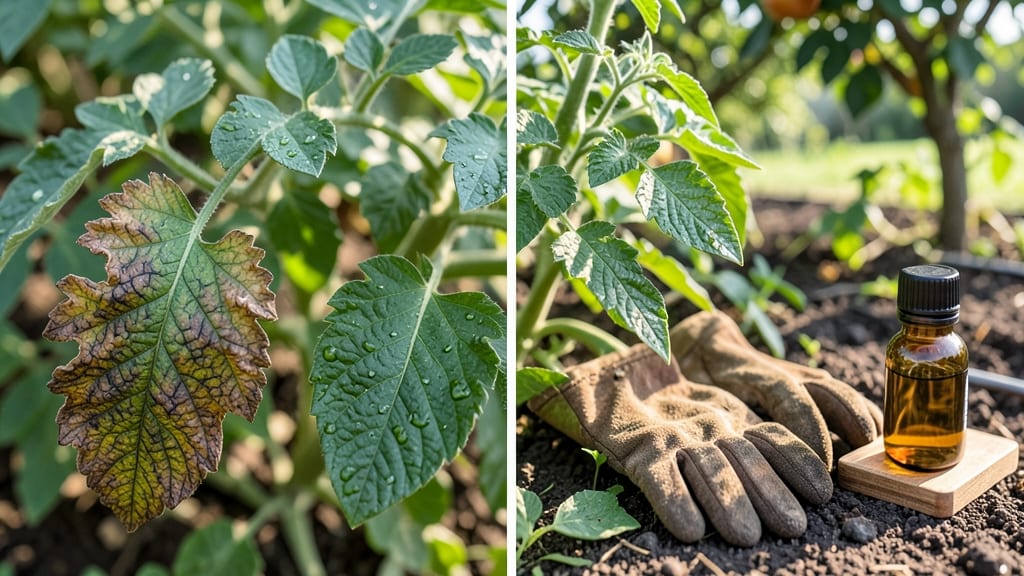
Your tomato plants turning brown at the edges isn’t a death sentence—it’s a wake-up call. 🌱 I’ve nursed back more than my fair share of sad-looking tomatoes, and the fix is simpler than you’d think.
Blight, overwatering, or even too much sun can turn leaves crispy, but with the right moves, you’ll have healthy plants (and a harvest) in no time.
The first step is diagnosing the problem: check for dark spots (early blight), yellowing (overwatering), or sunburned patches (too much midday sun). Most gardeners overlook the easy fixes—like spacing plants properly or watering at the base—before jumping to fungicides.
A quick pruning session and a few adjustments can stop the spread faster than you’d expect.
By the end of the week, you’ll see new green growth where there was brown. The key is acting fast—once you spot the issue, prune the damaged leaves, adjust your watering schedule, and add mulch to keep roots steady. No fancy tools or expensive sprays needed, just smart care.
This works for backyard gardens, containers, or even balcony pots. The same principles apply whether you’re dealing with heirlooms or cherry tomatoes. Let’s get those plants back in fighting shape!
Root Causes Behind Browning Leaves
When your tomato plants start showing brown patches, it’s often a cry for help from the leaves—or even the roots. Understanding the why behind the discoloration is the first step to saving your harvest.
Below, we break down the most common culprits, from environmental stressors to hidden pests, with the science-backed details you need to diagnose the problem accurately.
If brown spots appear on leaves that are exposed to direct sunlight—especially during hot, dry spells—your tomatoes may be suffering from sun scorch. This isn’t a disease but a physical reaction to excessive heat and light.
- How it happens: When temperatures rise above 90°F (32°C), the waxy cuticle on leaves can’t protect them from intense UV rays, leading to necrotic (dead) tissue that turns brown or crispy.
- Key signs:
- Brown, papery patches on upper leaves or fruit skins.
- Edges of leaves may curl or appear bleached.
- Problem worsens in afternoon heat (2 PM–5 PM).
- Why it’s fixable: Unlike disease, sun scorch doesn’t spread. The damage is reversible if you adjust care practices.
Tomatoes are thirsty but sensitive—both underwatering and overwatering can trigger browning. The difference? One causes wilting and crispy edges, while the other leads to yellowing and fungal entry points.
| Issue | How It Happens | Visual Clues |
|---|---|---|
| Underwatering | When roots dry out, leaves lose turgor pressure, leading to oxidative stress. Cells rupture, turning brown at the edges or tips. |
|
| Overwatering | Soggy soil cuts off oxygen to roots, causing root rot (often from Pythium or Phytophthora). Brown leaves signal the plant is drowning. |
|
| Splashing Water | Water droplets on leaves create entry points for fungal spores (like early blight). Brown spots with concentric rings often appear. |
|
Fungi like early blight (Alternaria solani) and late blight (Phytophthora infestans) are the top villains behind tomato browning. They thrive in humid conditions and spread rapidly.
- Early Blight:
- How it spreads: Spores splash from soil to leaves, infecting through wounds. Ideal conditions: 75–85°F (24–29°C) with high humidity.
- Signs:
- Brown, target-like spots with concentric rings.
- Affects older leaves first, moving upward.
- Stems may develop black lesions.
- Late Blight:
- How it spreads: A devastating pathogen that thrives in cool, wet weather (50–77°F / 10–25°C). Can destroy plants in days.
- Signs:
- Brown, greasy-looking spots with white mold on undersides.
- Infects both leaves and fruit.
- Leaves may wilt and die quickly.
- Powdery Mildew:
- How it spreads: Fungal spores land on leaves and smother them in white powder, blocking sunlight. Brown patches appear as leaves die from starvation.
- Signs:
- White, flour-like coating on upper leaves.
- Brown necrosis beneath the mildew.
Insects don’t just eat leaves—they inject toxins or create wounds that invite disease. Here’s how they turn your tomatoes brown:
- Spider Mites:
- Damage: Tiny mites pierce cells, causing stippling (tiny brown dots) and webbing. Severe infestations lead to bronzing (leaves turn brown and crispy).
- Trigger: Drought stress attracts them.
- Hornworms:
- Damage: These green caterpillars devour leaves, leaving large, irregular brown holes. Their frass (poop) can also harbor fungal spores.
- Trigger: Nighttime feeding—check for missing leaf tissue in the morning.
- Aphids:
- Damage: Clusters of sap-sucking insects cause leaves to curl and brown at the edges. They also excrete honeydew, which fosters sooty mold (a black fungal film).
- Trigger: New growth is their favorite snack.
Brown leaves can also signal that your tomato’s roots aren’t happy. Whether it’s a deficiency, toxicity, or poor drainage, the soil plays a huge role.
- Nitrogen Deficiency: <
Quick Fixes for Reviving Your Tomatoes
Now that you know why your tomato plants are turning brown, it’s time to roll up your sleeves and bring them back to life! 🌱 The good news? Most issues have simple, actionable solutions—whether it’s a fungal infection, pest attack, or environmental stress.
Below, we’ve broken down the fixes by cause, so you can target the problem like a pro.
Fungal issues like early blight, late blight, or powdery mildew can turn your tomato leaves brown overnight. But don’t panic—these can be managed with a mix of prevention and treatment.
🔥 Remove Infected Plant Parts
- Step 1: Snip off any brown, spotted, or yellowing leaves using clean pruners (dip them in rubbing alcohol between cuts).
- Step 2: Do not compost infected plant material—toss it in the trash to prevent reinfection.
- Step 3: If the disease is severe (e.g., late blight), consider removing the entire plant to stop the spread.
🍳 Apply Fungicidal Sprays (Organic or Chemical)
- Option 1: Baking Soda Spray (for powdery mildew & early blight)
- Mix 1 tsp baking soda + 1 tbsp vegetable oil + 1 quart water + a dash of dish soap.
- Spray every 7–10 days until the issue clears.
- Option 2: Copper Fungicide (for late blight & blight prevention)
- Follow label instructions—typically 1 tbsp per gallon of water.
- Spray at dawn or dusk to avoid burning leaves.
- Option 3: Neem Oil (preventative & mild fungicidal properties)
- Mix 1 tbsp neem oil + 1 tsp mild soap + 1 quart water.
- Spray weekly as a preventative measure.
🌡️ Improve Airflow & Reduce Humidity
- Space plants 18–24 inches apart to allow air circulation.
- Avoid overhead watering—water at the base instead.
- Use a fan on low setting near plants to dry leaves faster.
- Remove weeds around the base to reduce fungal spores.
💡 Pro Tip:
If you’re dealing with late blight (the most aggressive tomato killer), act fast. Remove infected plants immediately and sterilize tools with bleach (1 part bleach to 9 parts water). Consider planting blight-resistant varieties (like ‘Mountain Merit’ or ‘Defiant PhR’) next season.
Pests can chew leaves into brown, ragged messes. The key is early detection and targeted action.
👨🍳 Handpick & Remove Pests
- Check leaves daily for:
- Aphids (tiny green/black bugs clustered on undersides).
- Spider mites (tiny webs + brown speckling).
- Hornworms (large green caterpillars with white stripes).
- Drop them in soapy water to kill them instantly.
🥘 Natural Pest Repellents
- Neem Oil Spray (works on aphids, mites, and whiteflies)
- Mix 2 tbsp neem oil + 1 tsp soap + 1 quart water.
- Spray every 5–7 days.
- Insecticidal Soap (for soft-bodied pests like aphids)
- Use a store-bought version or DIY with 1 tbsp castile soap + 1 quart water.
- Introduce Beneficial Insects
- Ladybugs (eat aphids) or praying mantises (hunt caterpillars).
- Buy them online or attract them with dill, fennel, or marigolds.
🔪 Prevent Future Infestations
- Plant companion plants like basil, marigolds, or nasturtiums to repel pests.
- Use row covers early in the season to block pests before they arrive.
- Rotate crops yearly to prevent pest buildup in the soil.
Brown, crispy leaves can also mean your tomatoes are overheated, sunburned, or chilled.
🌿 Adjust Watering & Mulching
- Water deeply 1–2 times per week (early morning is best).
- Use mulch (straw or grass clippings) to retain moisture and cool roots.
- Avoid wetting leaves to prevent sun scorch (water at the base).
🏜️ Provide Shade in Extreme Heat
- If temps hit 90°F+, use shade cloth (30–50%) for a few hours a day.
- Train vines upward (with stakes or trellises) to keep leaves off hot soil.
🌡️ Protect from Cold Snaps
- Cover plants with frost cloth if temps drop below 50°F at night.
- Move potted tomatoes indoors (or to a garage) if frost is forecasted.
✨ Pro Tip:
If your fruit is turning brown and leathery, it might be sun scald (common in green tomatoes). Harvest early and ripen indoors in a paper bag with a banana (the ethylene gas speeds up ripening!).
Brown edges or yellowing between veins often mean nutrient imbalances.
📊 Test Your Soil & Amend as Needed
- Buy a soil test kit (or send a sample to a local extension office).
- Common fixes:
- Low nitrogen? → Add compost or blood meal.
- Low potassium? → Use wood ash or banana peels (composted).
- Too much salt? → Flush soil with lots of water to leach out excess.
💪 Fertilize Correctly
- Use a balanced fertilizer (like 10-10-10) every 4–6 weeks.
- Avoid over-fertilizing—too much salt burns roots, causing brown tips.
- Fish emulsion or worm castings are great organic options.
🥗 Prevent Over-Fertilizing
- Follow package instructions—more isn’t better!
- Water before fertilizing to help nutrients absorb evenly.
- Avoid fertilizing in extreme heat (plants can’t uptake nutrients well).
To keep your tomatoes lush and brown-spot-free, follow this year-round plan: ✅ Rotate crops (don’t plant tomatoes in the same spot yearly). ✅ Plant disease-resistant varieties (check seed packets). ✅ Monitor plants weekly for early signs of trouble. ✅ Keep the garden clean (remove debris to reduce fungal spores). ✅ Use drip irrigation to avoid wetting leaves.
With these fixes, your tomato plants should bounce back in no time—and you’ll be on your way to a bountiful, blight-free harvest! 🍅🔥
Frequently asked questions
Why are my tomato leaves turning brown only at the edges?
This is often a sign of underwatering or over-fertilizing. When soil dries out too much, leaves lose moisture and develop crispy brown edges. Too much salt from fertilizer can also burn root tips, causing similar browning. Water deeply 1-2 times per week and flush soil with water if you suspect fertilizer burn.
How can I tell if my tomato plant has early blight vs. sun scorch?
Early blight shows concentric brown rings on leaves, often starting on older foliage. Sun scorch appears as irregular, papery brown patches on upper leaves exposed to intense afternoon sun. Check the leaf pattern—blight spots have defined rings while sun scorch looks more like sunburn.
Will pruning brown leaves help my tomato plant recover?
Yes! Pruning removes infected/damaged tissue that could spread disease. Use clean scissors to cut 1/4 inch above brown spots and dispose of clippings (don't compost infected material). This improves airflow and lets the plant focus energy on new growth. Do this in morning hours to prevent evening moisture buildup.
Can I save my tomato plant if the stems are turning brown and mushy?
This suggests root rot from overwatering. If only the stem base is affected, try pruning above the mushy section and repotting in fresh, dry soil. For severe cases, the plant may be beyond saving. Prevent recurrence by watering only when the top 1-2 inches of soil are dry and using containers with drainage holes.
How often should I spray neem oil to prevent browning?
Apply neem oil spray every 7-10 days as a preventative measure, especially during humid weather. Mix 1 tbsp neem oil + 1 tsp mild soap + 1 quart water and spray in the early morning. Stop spraying if you see new growth—it's safe but can be overkill for healthy plants.