
Companion Plants
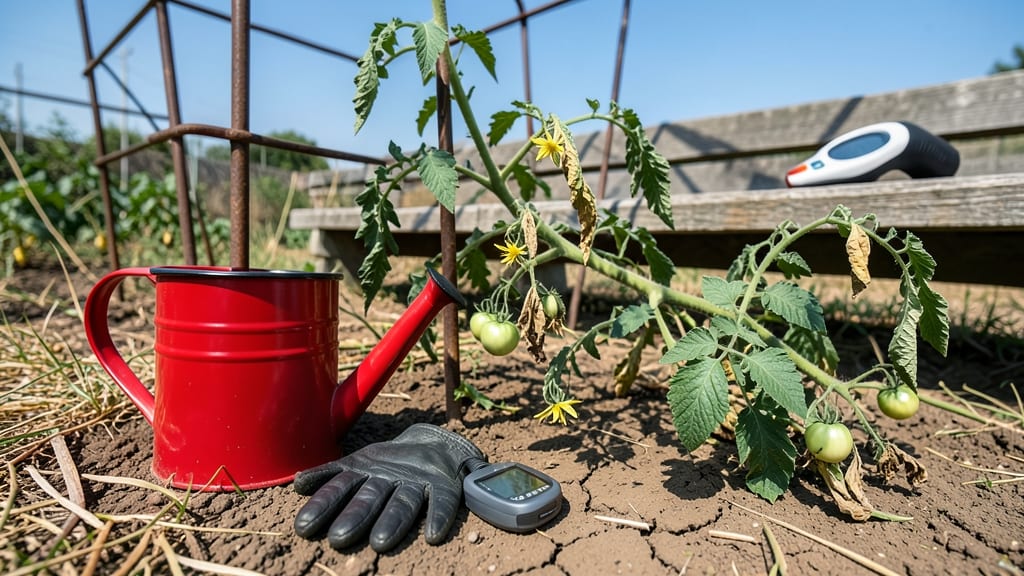
Your tomato plants wilted overnight—this isn’t just a bad day, it’s a root rot emergency. 🌱 The good news? You can still save them with 3 fast moves that stop the spread and revive your plants before it’s too late.
I’ve pulled mine back from the brink more times than I’d like to admit, and these fixes work whether the problem is fungal, bacterial, or just plain overwatering.
First, stop watering immediately—soggy soil is the #1 killer. Then dig carefully around the base to check for mushy, dark roots (that’s root rot) or hollow stems (likely bacterial wilt).
If the roots are firm but the leaves are drooping, it might be heat stress or even a squirrel chewing through the stem—yes, that’s happened to me too.
By the time you’ve adjusted your watering, pruned the worst-affected leaves, and treated the soil with a hydrogen peroxide spray (1 part 3% peroxide to 4 parts water), your plants will start perking up within 24-48 hours.
The key is acting fast—root rot spreads like wildfire in warm, damp soil.
Once you’ve got them stabilized, focus on prevention: improve drainage, space plants properly, and avoid overhead watering. My tomatoes now bounce back from wilting in under 24 hours—and so can yours. Let’s get those plants back in fighting shape.
Root Causes Of Sudden Wilting
Finding your tomato plants wilted overnight can feel like a gut punch—especially when you’ve nurtured them with care. But before you panic, let’s break down the real culprits behind this alarming symptom.
Wilting this fast usually means a critical disruption in water uptake or structural integrity. Here’s what’s likely happening under the soil (and sometimes above it).
Tomatoes are thirsty plants, but too much water is just as deadly as too little. When soil stays soggy for days, roots suffocate from a lack of oxygen—a condition called waterlogging.
This triggers root rot, where fungi or bacteria (like Phytophthora) invade and break down root tissue. The result? Roots can’t absorb water, and the plant wilts fast.
Key red flags:
- Soil feels muddy when squeezed (not crumbly).
- Yellowing leaves (especially lower ones) paired with wilting.
- Stems that crunch when bent (a sign of rot).
💡 Pro Tip: Stick your finger 2 inches into the soil—if it’s damp after watering, you’re overdoing it. Tomatoes need 1–1.5 inches of water per week, delivered at the base (not overhead). Raised beds or containers with drainage holes are your best friends here.
Scorching temperatures (above 90°F/32°C) can cause tomato plants to shut down overnight. When roots can’t keep up with water loss through transpiration, leaves curl and wilt—even if the soil is moist. This is called physiological drought, and it’s temporary (unless roots are already compromised).
Watch for:
- Wilting that reverses by midday (if roots are healthy).
- White or grayish patches on leaves (sun scald).
- Stems that feel hot to the touch.
🌡️ Quick Fix: Provide afternoon shade with a floating row cover or shade cloth (30–50% coverage). Mulch with straw or grass clippings to keep roots cool and retain moisture.
Overnight wilting can also be a silent attack from pests or pathogens. Here’s how:
| Culprit | How It Happens | What to Look For |
|---|---|---|
| Fusarium Wilt (fungus) | Clogs xylem vessels (the plant’s water highways), cutting off moisture to leaves. | Yellowing only on one side of the stem; wilting spreads upward. |
| Root-Knot Nematodes (microscopic worms) | Burrow into roots, creating galls that block water absorption. | Stunted growth, puffy root lumps (check with a trowel). |
| Squash Bugs or Aphids | Sap-sucking pests weaken vascular tissue, causing sudden collapse. | Sticky residue ("honeydew") on leaves; black sooty mold may follow. |
🔥 Emergency Action:
- For Fusarium: Remove entire plant (it’s contagious) and disinfect soil with hydrogen peroxide (3%).
- For nematodes: Solarize soil (cover with clear plastic for 4–6 weeks) or plant marigolds as a trap crop.
- For bugs: Blast off pests with neem oil or introduce ladybugs.
Tomatoes have a delicate root system—disturbing it can send them into shock. Common triggers:
- Transplant shock: Roots severed during repotting or moving plants.
- Heavy soil compaction: Foot traffic or machinery crushing roots.
- Buried stems: Planting too deep (above the soil line) or mulching over the base.
👨🍳 What to Do:
Gently loosen compacted soil with a fork (don’t stab roots!). If roots are exposed, bury them 1–2 inches deeper and water deeply to encourage new growth. Avoid moving plants unless absolutely necessary—wait until roots are established (about 2–3 weeks after transplanting).
🎯 Bottom Line: Sudden wilting is your plant’s SOS signal. Act fast by pinpointing the cause—whether it’s drown roots, heatstroke, hidden invaders, or physical trauma. The good news? Many of these issues are reversible with the right fix. Next up: 3 Quick Rescue Steps to revive your tomatoes before it’s too late.
Revive Wilted Tomatoes Fast
Finding your tomato plants suddenly drooping overnight can be alarming, but don’t panic—many causes have quick fixes! Below, we’ll match the most likely culprits (from overwatering to pests) with step-by-step solutions to get your plants back on track. Plus, we’ll share prevention tips to keep your garden thriving.
If your soil feels soggy or smells foul, root rot may be the culprit. Act fast to save your plants:
🔥 Step 1: Stop Watering Right Away
- Let the soil dry out completely before watering again. No more schedules!
🍳 Step 2: Improve Drainage
- Mix in perlite, sand, or compost to loosen heavy soil.
- If potted, add gravel or coconut coir at the bottom for better airflow.
👨🍳 Step 3: Prune Damaged Roots (If Severe)
- Gently remove the plant, trim black/mushy roots with sterilized scissors, and replant in fresh, dry soil.
🌡️ Prevention Tip:
- Use a moisture meter or stick your finger 2 inches deep—water only if dry.
- Avoid watering at night to prevent fungal growth.
Sudden wilting in hot weather? Your tomatoes may be sunburned or dehydrated.
🔥 Step 1: Provide Afternoon Shade
- Use shade cloth (30-50%) or move pots to a dappled spot.
- Mulch heavily to retain moisture.
🍳 Step 2: Water Deeply (Not Just Surface Sprays)
- Water early morning at the base, not the leaves, to prevent evaporation.
👨🍳 Step 3: Foliar Spray for Recovery
- Mist leaves with cool water + a pinch of baking soda (1 tsp per gallon) to reduce stress.
🎯 Prevention Tip:
- Choose heat-tolerant varieties like ‘Solar Fire’ or ‘Heatmaster’ for future seasons.
- Drip irrigation keeps roots consistently moist without leaf burn.
Wilting can also signal hidden pests (like aphids) or fungal infections (early blight).
🔪 Step 1: Identify the Problem
- Check undersides of leaves for bugs, spots, or mold.
- Yellowing leaves? Could be early blight—remove affected foliage immediately.
👨🍳 Step 2: Natural Remedies
- Neem oil spray (1 tbsp + 1 tsp mild soap per quart of water) for pests.
- Copper fungicide (follow label) for bacterial/fungal issues.
✨ Prevention Tip:
- Rotate crops yearly to prevent soil-borne diseases.
- Plant basil or marigolds nearby—they repel pests naturally!
Most wilted tomato plants recover within 24-48 hours with the right care. Monitor closely, adjust watering, and soon you’ll be back to harvesting juicy, vine-ripened tomatoes! 🍅🌱
Frequently asked questions
Why did my tomato plants wilt so suddenly?
Overnight wilting usually signals a water transport crisis. Root rot from overwatering, bacterial wilt blocking the plant's vascular system, or extreme heat stress can all cause this rapid collapse. Check the soil moisture and stem firmness—if it's mushy, you've got root rot; if it's hollow when cut, it's likely bacterial wilt.
Can I save tomato plants that wilted overnight?
Yes, but act fast! First stop watering immediately. For root rot, trim damaged roots and replant in dry soil. For bacterial wilt, remove the plant completely to prevent spread. Most healthy plants recover within 24-48 hours if you address the root cause. The key is early intervention!
What's the difference between heat stress and root rot wilting?
Heat stress wilting usually reverses by midday when roots are healthy—leaves may appear limp but feel firm. Root rot wilting persists, with leaves staying droopy even at night. Check soil moisture: if it's soggy, it's root rot; if dry, it's likely heat stress.
How can I prevent tomato plants from wilting in extreme heat?
Provide afternoon shade with shade cloth (30-50% coverage) and mulch heavily with straw. Water deeply in the morning at soil level, not overhead. Consider heat-tolerant varieties like 'Solar Fire' and use drip irrigation to maintain consistent moisture. These steps create a cooler root zone that keeps plants hydrated.
What should I do if my tomato plants wilt but the soil is dry?
This could indicate vascular disease (like Fusarium wilt) or pest damage. Check stems for discoloration or hollow centers. If it's vascular disease, remove the plant immediately—it's contagious. For pests, treat with neem oil and inspect leaves for signs of aphids or squash bugs. Prevention is key: rotate crops and plant pest-repelling companions like marigolds.