
Plants
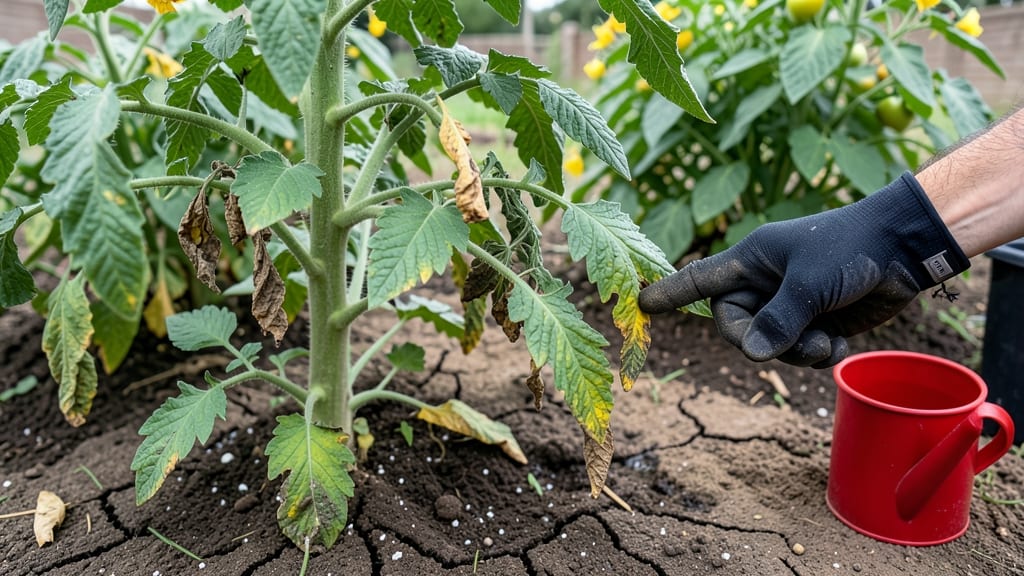
What causes tomato plant leaves to wilt can turn a thriving plant into a sad, drooping mess overnight—but I’ve fixed this exact problem in my garden, and it’s almost always one of three issues. 🌱 The good news? Most cases are reversible with the right steps, and you’ll spot the difference within days if you act fast. Overwatering and root rot are the most common culprits, especially in heavy clay soil or containers without drainage. You’ll know it’s water-related if the leaves turn yellow first, then wilt, and the soil smells sour or feels soggy. Underwatering shows up differently—leaves curl at the edges and feel crispy to the touch, often with dry soil an inch below the surface. The fix depends on the cause: prune affected foliage, adjust your watering schedule, and improve drainage. For root rot, you might need to repot the plant entirely. Prevention is easier—water deeply but infrequently, and always check soil moisture before watering again. Once you’ve identified the problem, you’ll see new growth within a week. The key is acting quickly and being consistent—my tomatoes bounced back every time I caught it early.
Root Causes Behind Wilting Leaves
Wilting tomato leaves are like a plant’s way of waving a red flag—something’s off, and understanding why is the first step to saving your harvest. 🌱💦 Whether your tomatoes are drooping midday or collapsing by evening, the culprit is usually one (or more) of these common issues.
Let’s break down the science behind wilting and why your plants might be throwing in the towel.
Tomatoes are thirsty plants, but too much water is a silent killer. When soil stays soggy, roots suffocate because they can’t access oxygen—a process called anaerobic respiration.
This forces roots to slow down or even rot, cutting off the plant’s water and nutrient supply. Result? Wilting leaves, even if the soil feels damp.
Poor drainage worsens the problem. Containers without drainage holes or heavy clay soil trap excess water, creating a breeding ground for Pythium or Phytophthora, fungi that attack roots. Look for:
- Yellowing lower leaves (early sign of root stress).
- Mushy, black roots when pulled gently from the soil.
- Wilting that worsens in humid weather (fungal activity peaks when it’s muggy).
💡 Pro Tip: Stick your finger 2 inches into the soil—if it’s wet, hold off on watering. Tomatoes prefer consistently moist but never waterlogged soil.
Tomatoes are sun lovers, but extreme heat (especially above 90°F/32°C) causes leaves to wilt as a survival tactic. When temperatures spike, plants lose water faster than roots can absorb it through transpiration.
This isn’t always fatal—leaves often perk up at night—but chronic heat stress weakens the plant over time.
Watch for:
- Wilting that happens daily in the afternoon but recovers overnight.
- Leaves curling or turning pale (a sign of sun scorch).
- Fruit dropping or cracking (heat stress affects the whole plant).
🌡️ Quick Fix: Provide afternoon shade with a cloche or row cover, and mulch heavily to keep roots cool. Drip irrigation at the base (not overhead) reduces water loss.
Hidden pests can chew through roots or sap nutrients, leaving your tomato plant gasping for life. The most damaging culprits:
- Root-knot nematodes: Microscopic worms that form galls on roots, blocking water uptake. Signs: Stunted growth, wilting that spreads upward.
- Cutworms: Larvae that sever stems at the base. Signs: Plants topple over like they’ve been cut (check soil at ground level).
- Aphids or spider mites: Suck sap from leaves, causing wilting and yellowing. Signs: Sticky residue (honeydew) or tiny webs on undersides.
🔍 How to Check: Gently dig around the base of the plant. Healthy roots are white and firm; damaged roots are brown, mushy, or riddled with holes.
Wilting can also signal a mineral imbalance. Too much salt (from tap water or fertilizer burn) or a lack of key nutrients disrupts the plant’s ability to regulate water.
Common triggers:
- Nitrogen deficiency: Leaves turn yellow between veins (chlorosis) and wilt as the plant can’t support growth.
- Potassium deficiency: Brown, crispy leaf edges (especially on older leaves) paired with wilting.
- Fertilizer burn: Over-fertilizing (especially with synthetic nitrogen) can scorch roots, causing wilting within days.
📊 Test Your Soil: Use a soil test kit to check pH and nutrient levels. Tomatoes thrive in pH 6.0–6.8. If levels are off, amend with compost or a balanced organic fertilizer (like 5-5-5).
Tomatoes are sensitive to abrupt shifts in their environment. Wilting can occur after:
- Transplant shock: Moving seedlings too early or disturbing roots during replanting.
- Wind or hail damage: Physical trauma to leaves or stems disrupts water transport.
- Temperature swings: Moving plants from a greenhouse to scorching outdoor heat without acclimation.
✨ Recovery Tip: If wilting follows a recent change, monitor the plant closely. Most recover in 3–5 days if conditions stabilize. Avoid fertilizing during this time—focus on hydration and shade.
Revive Your Tomato Plants Now
Wilted tomato leaves can feel like a gardener’s worst nightmare, but don’t panic—most causes have simple fixes! Below, we’ll tackle each common issue with step-by-step solutions, so you can nurse your plants back to health and prevent future wilting.
Think of this as your tomato plant’s emergency first aid kit. 🚑🌱
If your soil feels soggy or smells musty, overwatering is likely the culprit. Tomatoes hate "wet feet," and excess moisture suffocates roots, leading to wilting.
💧 Step-by-Step Fix
- Stop Watering Immediately
- Let the soil dry out completely before watering again. Stick your finger 1–2 inches into the soil—if it’s damp, wait.
- Improve Drainage
- 🔪 Dig a trench around the base of the plant (6–8 inches deep) to encourage excess water to drain away.
- 🌱 Add organic matter: Mix in compost or coconut coir to loosen heavy soil and improve aeration.
- Repot if Necessary
- If the roots are rotting, carefully remove the plant, trim any mushy roots with sterilized scissors, and repot in fresh, well-draining soil.
- Adjust Your Watering Routine
- Water deeply once or twice a week (depending on climate) rather than daily shallow watering. Early morning is best to reduce evaporation.
💡 Prevention Tips
- Use a moisture meter to track soil dampness.
- Plant tomatoes in raised beds or containers with drainage holes.
- Mulch with straw or wood chips to retain moisture without over-saturating the soil.
Root rot is a sneaky fungal invader that thrives in waterlogged soil. If your plant’s leaves wilt despite dry soil, this could be the issue.
🍄 Step-by-Step Fix
- Assess the Damage
- Gently dig around the roots. Healthy roots are firm and white; rotten roots are brown, mushy, and smell foul. 🚨 If >50% of roots are rotten, the plant may not recover.
- Prune the Plant
- Trim wilted or yellowed leaves with clean pruners to reduce stress on the plant.
- Disinfect the Soil
- 🔪 Remove the plant and replace the top 4–6 inches of soil with fresh, sterile potting mix or compost.
- For severe cases, repot the plant in a clean container with fungicide-treated soil (use a copper-based fungicide or hydrogen peroxide spray—1 part peroxide to 4 parts water).
- Boost Recovery with Fungicide
- Spray the remaining roots and soil with a fungicide (like Mycorrhizal fungi or neem oil). Follow label instructions carefully.
- Adjust Care Post-Treatment
- Water only when the top inch of soil is dry.
- Avoid fertilizing until new growth appears (fertilizer can stress a weakened plant).
💡 Prevention Tips
- 🌡️ Monitor soil temperature: Root rot thrives in cool, wet soil (below 60°F). Use a soil thermometer to ensure it stays warm.
- 🌱 Rotate crops: Avoid planting tomatoes in the same spot yearly to prevent fungal buildup.
- 🌧️ Improve airflow: Space plants 18–24 inches apart to reduce humidity around the base.
If the soil is bone-dry and leaves feel crispy to the touch, your tomato plant is thirsty—or overheated. Quick action is key!
💦 Step-by-Step Fix
- Water Deeply and Slowly
- 🍳 Use a soaker hose or watering can to deliver water directly to the roots. Avoid overhead watering, which can scorch leaves.
- Water until it pours out the drainage holes (if in a pot).
- Provide Shade Temporarily
- 🌿 Move potted tomatoes to a shadier spot for a few days or use shade cloth (30–50%) if temps exceed 90°F (32°C).
- Fog the Leaves (For Extreme Heat)
- Lightly mist leaves in the early morning to cool them down. Avoid evening misting to prevent fungal growth.
- Mulch to Retain Moisture
- 🌱 Spread 2–3 inches of mulch (straw, grass clippings, or wood chips) around the base to lock in moisture.
💡 Prevention Tips
- 🌡️ Water in the early morning to reduce evaporation.
- 🌱 Use drip irrigation for consistent moisture.
- 🌿 Choose heat-tolerant varieties like ‘Solar Fire’ or ‘Heatmaster’ if you live in a hot climate.
Wilting can also signal an unseen battle—pests like aphids or diseases like early blight sucking the life out of your plant.
🐜 Step-by-Step Fix
- Identify the Culprit
- Check the underside of leaves for pests (aphids, spider mites) or dark spots (early blight, bacterial wilt).
- Remove Infested Parts
- ✂️ Snip off yellowed or spotted leaves and dispose of them in the trash (not compost).
- Treat with Natural Pesticides
- 🍋 Spray neem oil (1 tsp per quart of water) or soapy water (1 tbsp mild soap per gallon) on leaves.
- For fungal diseases, use copper fungicide as directed.
- Strengthen the Plant
- 💪 Fertilize lightly with a balanced fertilizer (10-10-10) to help recovery, but avoid overdoing it.
💡 Prevention Tips
- 🌱 Rotate crops to prevent disease buildup.
- 🌿 Inspect plants weekly for early signs of pests.
- 🌧️ Water at the base (not overhead) to reduce fungal splash.
With these fixes, your tomato plants should perk up in 3–7 days! Keep an eye on them, adjust care as needed, and soon you’ll be harvesting juicy, healthy tomatoes instead of wilting leaves. Happy gardening! 🍅🌟
Frequently asked questions
Why do my tomato leaves wilt in the afternoon but perk up at night?
This classic pattern almost always means heat stress or underwatering. When temperatures climb above 90°F (32°C), your plant loses water faster than roots can absorb it through transpiration. The good news? Leaves often recover overnight when temps drop. To fix it, water deeply in the morning and provide afternoon shade with a light cloth or row cover.
How can I tell if my wilting is from overwatering vs. underwatering?
Check the soil and leaves: Overwatering causes yellowing lower leaves first, followed by wilting, and the soil smells sour or feels soggy. Underwatering shows crispy leaf edges and dry soil 1-2 inches down. Pro tip: Stick your finger in—if it’s damp, you’re overdoing it; if dry, it’s thirsty! Root rot (from overwatering) also means mushy, black roots when you gently pull the plant.
Will pruning wilted leaves help my tomato plant recover?
Yes! Pruning removes the plant’s energy drain from damaged foliage, letting it focus on healthy growth. Use clean scissors to cut 1/3 of the wilted leaves at the base. For severe cases (like fungal wilt), remove all affected leaves and sterilize your tools with rubbing alcohol. This also reduces fungal spread if disease is the culprit.
Can I save a tomato plant with root rot?
Maybe! If less than 50% of roots are rotted (brown/mushy), you can still recover it. Trim the bad roots, repot in fresh, sterile soil, and treat with a copper fungicide or hydrogen peroxide spray (1:4 ratio). Avoid fertilizing for 2 weeks—let the plant focus on regrowing roots. If >50% is rotten, the plant likely won’t survive, but you can replant seeds or seedlings nearby.
Why do my container-grown tomatoes wilt faster than in-ground ones?
Containers dry out 3x faster than garden beds, and poor drainage is a common issue. Use pots with drainage holes and a well-draining mix (60% potting soil, 30% perlite, 10% compost). Water when the top 1 inch of soil is dry, and move containers to shadier spots during heatwaves. Mulch the surface with straw to slow evaporation.