
Vegetables
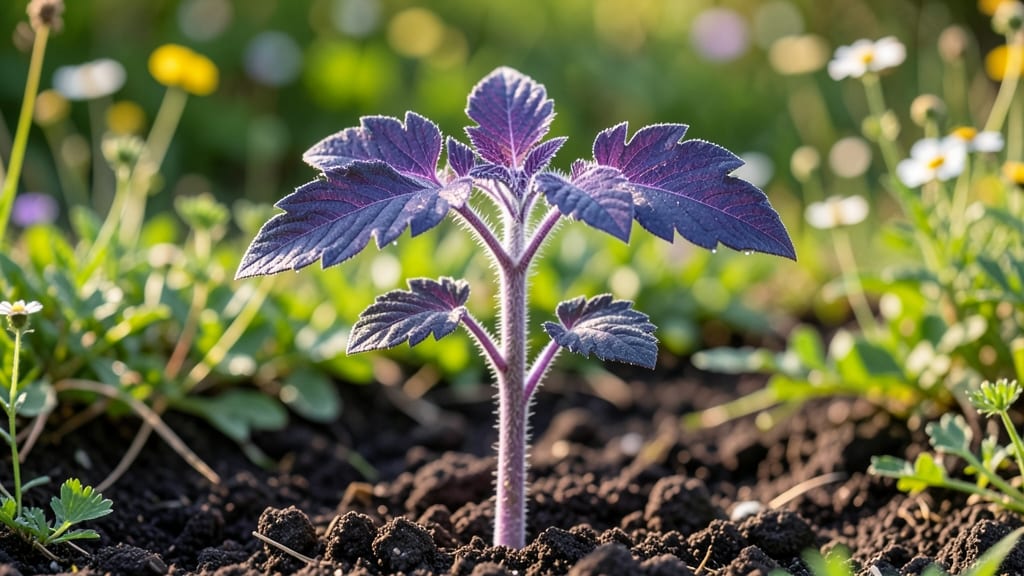
That purple flush on your tomato seedlings isn’t just a quirky color—it’s a message from your plants. 🌱 Whether it’s phosphorus hunger, cold stress, or too much water, understanding the cause is the first step to fixing it before it stunts their growth.
Most gardeners panic when they see purple stems, but it’s usually harmless if caught early. Think of it like a red flag: your seedlings need a quick adjustment in care. The good news?
Simple fixes like balanced fertilizer, better drainage, or moving them to a warmer spot can turn those purple stems back to vibrant green in days. You’ll know you’ve solved it when new growth emerges with healthy green leaves and sturdy stems.
The key is acting fast—once seedlings start looking weak, they’re harder to revive. With the right approach, you’ll have strong plants ready for transplanting in no time. Works for all tomato varieties, from heirlooms to cherry tomatoes. Let’s get those seedlings back on track!
Root Causes Behind Purple Seedlings
Understanding why your tomato seedlings turn purple starts with recognizing the plant’s natural responses to stress, nutrient imbalances, or environmental cues. While some purple hues are simply part of a variety’s genetics (like in ‘Purple Cherokee’ or ‘Indigo Rose’), unexpected purpling often signals deeper issues.
Let’s break down the most common culprits—so you can diagnose and fix them fast.
Some tomato varieties are bred to display anthocyanins—the pigments responsible for purple, red, or blue hues—in their stems, leaves, or even fruits. These pigments act as natural sunblock and antioxidants, helping seedlings survive harsh conditions.
- How to spot it: Uniform purple tint across all seedlings of the same variety, with no wilting or stunted growth. - What to do: If your seed packet or nursery label mentions purple stems/leaves, celebrate! This is a sign of a hardy, disease-resistant plant.
No action needed unless the color fades to green as the seedling matures (which is also normal).
Purple stems or undersides of leaves often scream "I’m starving for phosphorus!" This essential nutrient helps plants store and transfer energy, and a lack of it triggers anthocyanin production as a distress signal.
| Symptom | Why It Happens | Quick Fix |
|---|---|---|
| Deep purple stems | Soil lacks available phosphorus (common in sandy or acidic soils). | Apply bone meal (organic) or phosphorus-rich fertilizer (5-10-10 ratio). |
| Leaves curl upward | Roots can’t access nutrients due to compacted or waterlogged soil. | Loosen soil with a fork and mix in compost or worm castings. |
| Slow growth | Phosphorus is tied up in the soil (e.g., bound to iron or aluminum). | Test soil pH—aim for 6.0–7.0. Add lime if soil is too acidic. |
💡 Pro Tip: Over-fertilizing with nitrogen (like urea) can worsen phosphorus deficiency. Balance your feed with a low-N, high-P formula.
Tomato seedlings are tropical babies—they thrive in 70–85°F (21–29°C). When temps dip below 50°F (10°C) or spike above 90°F (32°C), they ramp up anthocyanin production to protect cell membranes from damage.
- Cold stress signs:
- Purple stems and yellowing leaves (early signs of chilling injury).
- Seedlings stunted or leggy (reaching for warmth).
- Heat stress signs:
- Purple leaves paired with wilting (even with moist soil).
- Blossom end rot risk increases as roots struggle to absorb calcium.
🔥 Fix It Fast:
- For cold: Use a seedling heat mat or move pots to a sunny windowsill (away from drafts).
- For heat: Provide afternoon shade with a lightweight row cover or shade cloth (30–50%).
Too much moisture—especially in cool, dense soil—can suffocate roots, cutting off oxygen and nutrient uptake. This triggers purpling as the plant gasps for survival.
- Red flags:
- Soil feels soggy or smells musty.
- Leaves turn purple and mushy (sign of root rot).
- Seedlings topple over easily.
- Why it happens:
- Clay-heavy soil holds water like a sponge.
- No drainage holes in pots = water pooling at the roots.
- Overzealous watering (e.g., daily soaking when seedlings only need a light mist).
✨ Solution:
- Repot in well-draining mix (50% potting soil + 50% perlite/pumice).
- Water only when the top inch is dry—stick your finger in to check!
- Use saucers under pots but empty excess water after 10 minutes.
Fungal infections (like early blight or septoria leaf spot) or sap-sucking pests (aphids, spider mites) can cause localized purpling as the plant fights back.
- Disease signs:
- Purple spots with yellow halos (fungal infection).
- Sticky residue on leaves (honeydew from pests).
- Pest signs:
- Webbing (spider mites) or curled leaves (aphids).
- Black sooty mold growing on honeydew.
🛡️ Act Now:
- Spray with neem oil (natural fungicide/pesticide).
- Remove infected leaves and sterilize pruners with rubbing alcohol.
- Introduce beneficial insects (ladybugs for aphids).
Fixing purple tomato seedlings naturally
Now that you understand the causes behind your tomato seedlings turning purple—whether it’s nutrient cravings, stress, or environmental quirks—let’s roll up our sleeves and turn those vibrant hues into healthy, thriving plants!
Here’s a step-by-step guide to diagnosing and fixing the issue, tailored to common culprits, plus prevention tips to keep your seedlings lush and green.
Purple leaves often signal a hunger for nitrogen, phosphorus, or potassium. Let’s feed your seedlings the right way!
🔥 Boost Nitrogen for Leafy Growth
If your seedlings look leggy or pale with purple tinges, they’re begging for nitrogen—the building block of chlorophyll. - Quick Fix: Mix 1 tablespoon of blood meal or fish emulsion into a gallon of water.
Water the soil at the base (avoid leaves to prevent fungal issues). - Long-Term Solution: Top-dress with compost or well-rotted manure around the seedlings.
Aim for 1-2 inches of organic matter per plant. - Prevention Tip: 💡 Start with a balanced fertilizer (like 10-10-10) when transplanting, then switch to a nitrogen-rich formula (e.g., 30-0-0) 2-3 weeks later.
🍳 Phosphorus Push for Root Strength
Purple stems or undersides of leaves? Phosphorus deficiency can stunt roots and delay flowering. - Quick Fix: Use bone meal (5 tablespoons per 10 sq ft of garden bed) or phosphoric acid (1 tsp per gallon of water).
Sprinkle bone meal around the base and water lightly. - Long-Term Solution: Plant cover crops like clover or peas before tomatoes to enrich the soil naturally. Rotate crops annually to avoid depletion. - Pro Tip: 🌡️ Warm soil (60°F+) absorbs phosphorus better.
Use black plastic mulch in early spring to speed up soil warming.
⚡ Potassium for Stress Resistance
Yellowing edges with purple veins? Potassium deficiency weakens cells, making plants vulnerable to disease. - Quick Fix: Brew wood ash tea (1 cup ash per gallon of water, steep overnight) or use greensand (a natural potassium source).
Apply sparingly—too much can harm soil pH. - Long-Term Solution: Add banana peels to compost or bury them near seedlings (they’re packed with potassium!). Mulch with straw or grass clippings to retain moisture and nutrients. - Prevention Tip: 🎯 Avoid over-fertilizing with nitrogen-heavy feeds, which can lock out potassium.
Aim for a balanced NPK ratio (e.g., 5-5-5).
Sometimes, purple isn’t about hunger—it’s about temperature, light, or water woes. Let’s tweak the growing conditions!
☀️ Light Love for Compact Gardens
Weak, etiolated seedlings with purple stems? They’re stretching for sunlight but not getting enough. - Quick Fix: Move seedlings to a sunnier spot (6+ hours of direct light daily) or supplement with grow lights (12–16 hours/day).
LED or fluorescent bulbs work best. - Long-Term Solution: Rotate seedlings weekly so all sides get even light. Use reflective surfaces (like aluminum foil on walls) to bounce light into shaded areas. - Prevention Tip: ✨ Start seeds indoors with grow lights if your garden lacks sunlight.
Harden off seedlings gradually to avoid shock.
💦 Water Wisdom for Happy Roots
Overwatering or underwatering can cause purple discoloration by stressing roots. - Quick Fix: Check soil moisture—stick your finger 1 inch deep. If dry, water deeply; if soggy, let it dry out slightly.
Use a moisture meter for precision. - Long-Term Solution: Mulch with straw or shredded leaves to retain moisture and regulate temperature. Water early in the morning to reduce evaporation. - Pro Tip: 🔥 Avoid wetting leaves when watering to prevent fungal diseases like early blight, which can mimic nutrient stress.
🌡️ Temperature Taming
Cold snaps or heatwaves stress seedlings, turning leaves purple. - Quick Fix: If temps drop below 50°F, protect seedlings with frost cloth or move pots to a sheltered spot.
For heat stress (above 90°F), provide shade cloth (30–50%) during peak sun. - Long-Term Solution: Choose heat-tolerant varieties like ‘Solar Fire’ or ‘Heatmaster’ for compact gardens.
Use black plastic mulch to warm soil faster in spring. - Prevention Tip: 🌡️ Monitor weather forecasts and cover seedlings overnight if frost is predicted. A simple cloché (glass jar) works for extreme cold.
Purple spots or streaks? Fungal infections or pests might be the culprits.
🛡️ Fungal Issues (Early Blight, Anthracnose)
- Quick Fix: Remove affected leaves and destroy them (don’t compost!).
Spray with a baking soda solution (1 tsp baking soda + 1 quart water + a drop of dish soap) every 7–10 days. - Long-Term Solution: Rotate crops (don’t plant tomatoes in the same spot yearly) and sanitize tools with rubbing alcohol.
Use copper fungicide preventatively if fungal diseases are common in your area. - Prevention Tip: 💡 Improve air circulation by spacing seedlings 12–18 inches apart and pruning lower leaves to reduce humidity near the soil.
🐜 Pest Pressure (Aphids, Spider Mites)
- Quick Fix: Blast pests off with a strong stream of water or wipe leaves with soapy water (1 tsp mild soap per quart of water).
Introduce ladybugs or lacewings for natural control. - Long-Term Solution: Interplant with basil or marigolds to repel pests. Apply neem oil (1 tsp per quart of water) weekly as a deterrent. - Pro Tip: 🎯 Check undersides of leaves daily—pests love to hide there!*
Keep these habits in your gardening toolkit to avoid future purple surprises:
- Test soil every 2–3 years and amend based on results (use a DIY kit or send samples to a local extension office).
- Rotate crops annually to prevent nutrient depletion and disease buildup.
- Mulch consistently to retain moisture and regulate soil temperature.
- Monitor seedlings weekly for early signs of stress (purple leaves, wilting, or yellowing).
- Choose compact, disease-resistant varieties like ‘Tiny Tim’ or ‘Patio Princess’ for small spaces.
With these fixes, your tomato seedlings should bounce back with lush green leaves in no time—ready to burst into flavorful fruit for your compact garden! 🍅✨
Frequently asked questions
Is purple in tomato seedlings always a problem?
Not necessarily! Some varieties like ‘Purple Cherokee’ or ‘Indigo Rose’ naturally develop purple stems and leaves as a protective trait. If all seedlings of the same variety show uniform purple without wilting or stunted growth, it’s likely genetic and harmless. Check your seed packet for confirmation.
How quickly can I fix phosphorus deficiency in my seedlings?
With the right treatment, you’ll see improvement in 3-7 days. Start by applying bone meal (5 tbsp per 10 sq ft) or a phosphorus-rich fertilizer (5-10-10 ratio). Water lightly to help nutrients absorb. For faster results, mix 1 tsp phosphoric acid into a gallon of water and apply directly to the soil.
Can I still save seedlings if they’re purple from overwatering?
Yes, but act fast! First, check for root rot by gently removing the seedling from its pot. If roots are mushy or black, trim the damaged parts and repot in fresh, well-draining soil. Reduce watering to only when the top 1 inch of soil is dry. Place seedlings in bright, indirect light to help them recover within 5-10 days.
Will purple seedlings still produce good tomatoes?
Purple stems or leaves won’t affect fruit quality or yield. The color is simply a stress response or genetic trait. Once you address the underlying issue (nutrients, water, temperature), your seedlings will return to normal green growth and produce healthy tomatoes. Varieties with purple hues often have enhanced disease resistance too!
How can I prevent purple seedlings in my next batch?
Start with a balanced fertilizer (like 10-10-10) when transplanting, and maintain consistent moisture without overwatering. Keep seedlings in temperatures between 70-85°F and provide 6+ hours of sunlight daily. Test your soil every 2-3 years to monitor nutrient levels, and rotate crops annually to prevent depletion.