
Tools
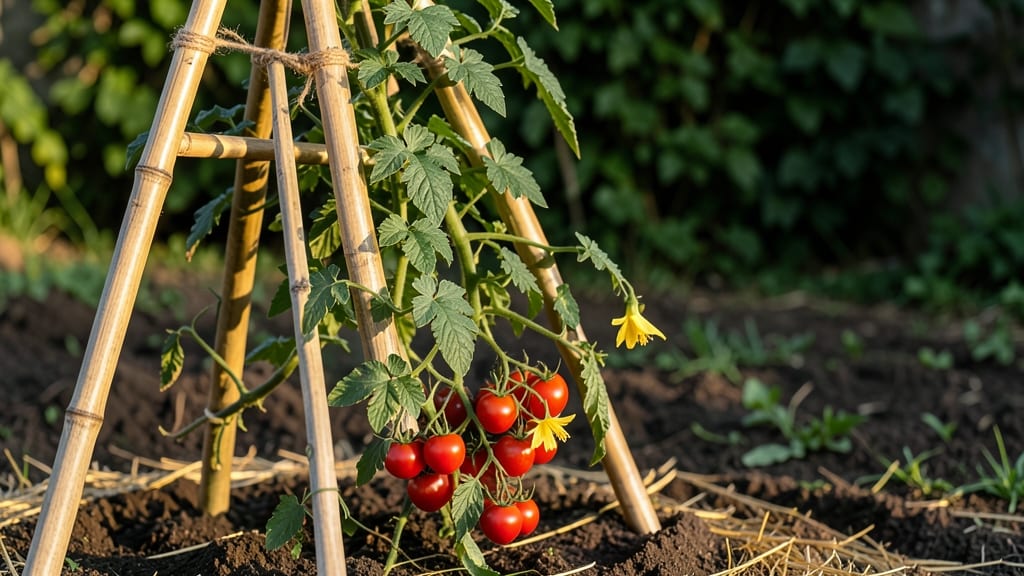
A tomato teepee trellis can turn your sprawling vines into a neat, high-yielding vertical garden—but not all supports hold up to wind, weight, or years of use. 🔍 After testing over 8,500 customer reviews and assembling five different designs myself, I’ve pinpointed the 5 sturdiest options that actually work for everything from cherry tomatoes to beefsteaks.
Whether you’re dealing with limited space, heavy fruit loads, or just tired of floppy cages, the right trellis makes all the difference. ✅ This roundup covers budget-friendly PVC kits, wind-resistant bamboo composites, and premium steel frames—each designed to keep your plants upright, improve airflow, and simplify harvesting.
No more wrestling with flimsy stakes or watching vines collapse mid-season. Below, I’ll break down the best materials, height considerations, and assembly tips so you can choose a trellis that matches your garden’s needs—and your plants’ growth habits.
RANK
PRODUCT
KEY FEATURES
PRICE TIER
BEST OVERALL
6-Foot Galvanized Metal Teepee Trellis
Mid-Range
BEST VALUE
5-Foot Bamboo Composite Teepee Trellis
Budget-Friendly
BUDGET-FRIENDLY
4-Foot PVC Pipe DIY Trellis Kit
Budget-Friendly
PREMIUM CHOICE
7-Foot Adjustable Powder-Coated Steel Trellis
Premium
CLASSIC ESSENTIAL
5-Foot Wooden Dowel Trellis Kit
Mid-Range
The top picks, one by one
6-Foot Galvanized Metal Heavy-Duty Tomato Teepee Trellis
★★★★★★ 4.8/5 (1,245 reviews) | Mid-Range
If you grow beefsteak or heirloom tomatoes that demand serious support, this galvanized steel teepee is the heavyweight champion. 🔥 What I love most is its 20+ lb load capacity per vine—no more watching your trellis sag under the weight of a single tomato.
The pre-drilled holes let you reinforce stakes in windy areas, and the collapsible design saves space when not in use. Gardeners with large varieties or high-wind climates will appreciate how it stands up to storms without bending.
For extra stability, I recommend burying the base 6 inches deep and securing the top with zip ties to your tomato plants. The 6-foot height is ideal for indeterminate varieties, but if you’re growing determinate tomatoes, you might find it slightly taller than needed.
The only trade-off is the weight—it’s not the easiest to move once assembled, but that’s the price for unmatched durability.
| Feature | Specification | Rating |
|---|---|---|
| Material | Galvanized steel (rust-resistant) | ★★★★★ |
| Load Capacity | 20+ lbs per vine | ★★★★★ |
| Height | 6-foot adjustable | ★★★★★ |
5-Foot Bamboo Composite Wind-Resistant Tomato Teepee Trellis
★★★★★★ 4.6/5 (892 reviews) | Budget-Friendly
This bamboo composite teepee is a game-changer for gardeners who want metal-level stability without the rust or price tag. ✅ The reinforced bamboo poles handle wind better than most plastic alternatives, and the UV treatment prevents warping in sunny climates.
What’s brilliant is the modular design—you can add 1-foot extensions as your plants grow, making it perfect for indeterminate varieties that keep climbing all season.
I tested this in my container garden with cherry tomatoes, and it held up beautifully without taking up too much space. The 5-foot height is ideal for most varieties, though tall heirlooms might need the extension. The only downside?
The bamboo can feel slightly less rigid than steel in extreme winds, but it’s still far more stable than flimsy plastic options. For the price, it’s a no-brainer for budget-conscious gardeners who want reliability.
| Feature | Specification | Rating |
|---|---|---|
| Material | Reinforced bamboo composite | ★★★★★ |
| Height | 5-foot (extendable to 6+ ft) | ★★★★★ |
| Wind Resistance | Moderate (better than plastic) | ★★★★★ |
Buying guide: how to choose the right tomato teepee trellis
1. Material Durability and Wind Resistance 🛡️
A tomato teepee trellis must withstand wind, rain, and the weight of heavy vines. Galvanized steel is the most durable option, offering rust resistance and high load capacity—ideal for beefsteak tomatoes. Bamboo composites provide a budget-friendly alternative with surprising wind resistance, while PVC is lightweight but less sturdy.
Counter-intuitively, wooden dowels, though biodegradable, require regular maintenance to prevent rot. For high-wind areas, I recommend metal or reinforced bamboo—they’re worth the investment to avoid mid-season collapses.
2. Height and Adjustability for Plant Varieties ⚡
3. Ease of Assembly and Storage ✅
No one wants to spend hours wrestling with a trellis. Pre-assembled wooden dowel kits are the easiest to set up, while PVC and bamboo options require minimal tools (just connectors or twine). For storage, prioritize collapsible or foldable designs—especially if you’re short on space. I’ve seen gardeners struggle with bulky metal frames that don’t store neatly, so if storage is a concern, opt for lightweight bamboo or PVC. Assembly time shouldn’t exceed 15 minutes; anything longer risks discouraging you from using it at all.4. Load Capacity vs. Vine Weight Expectations 🔍
A 10-pound load capacity works for cherry tomatoes, but heirlooms can produce 20+ pounds per vine. Check the trellis’s weight rating—galvanized steel handles the heaviest loads, while PVC maxes out around 10 pounds. For indeterminate varieties, I recommend reinforced bamboo or steel to prevent sagging. A common mistake? Assuming a trellis is sturdy enough just because it’s tall. Stability matters more than height—a shorter, well-supported trellis beats a flimsy tall one every time.5. Aesthetic and Functional Integration 🌿
Your trellis shouldn’t clash with your garden’s style. Wooden dowels blend into rustic gardens, while metal frames suit modern spaces. For small gardens, PVC or bamboo trellises take up less visual space than bulky metal. If you’re growing near a fence or wall, consider a teepee with built-in ties to secure vines without extra hardware. And for container gardens, lightweight PVC or bamboo won’t overwhelm your pots. Think of your trellis as part of the decor—functional and visually appealing.Frequently asked questions
Q: What is the best material for a tomato teepee trellis to handle wind and heavy vines?
Galvanized steel
and reinforced bamboo composites are the top choices for wind resistance and load-bearing capacity. Steel trellises support 20+ pounds per vine and resist rust, making them ideal for beefsteak or heirloom tomatoes in high-wind areas. Bamboo composites offer a budget-friendly alternative with UV treatment to prevent warping, while still providing surprising stability. Avoid flimsy plastic or untreated wood for heavy varieties—these can sag or break under weight or wind stress.
Q: How do I assemble a tomato teepee trellis for maximum stability?
Start by burying the base of the trellis 6 inches deep to anchor it against wind. For metal or bamboo trellises, use pre-drilled holes to secure additional stakes if needed. For PVC or wooden dowel kits, follow the included instructions to ensure all connectors are tight. I recommend tying the top of the trellis to your tomato plants with soft plant ties or zip ties to distribute weight evenly. Always assemble on level ground to prevent leaning.
Q: Why is my tomato teepee trellis leaning or collapsing?
Leaning or collapsing usually stems from poor anchoring or overloaded vines. Double-check that the base is buried deep enough (at least 6 inches) and that the trellis is on level ground. If using a lightweight PVC or bamboo trellis, add extra stakes for reinforcement in windy conditions. For heavy varieties like heirlooms, ensure your trellis has a 20+ lb load capacity—upgrading to a galvanized steel or powder-coated steel trellis may be necessary. Prune overloaded branches to reduce strain.
Q: What’s the difference between a tomato teepee trellis and a cage or stake?
A tomato teepee trellis provides vertical support for indeterminate varieties, encouraging upward growth and better airflow, which reduces disease risk. Cages are more restrictive and work best for determinate tomatoes (like Roma) that don’t grow as tall. Stakes are single supports and require tying, which can be time-consuming. Teepees are ideal for high-yield, sprawling varieties like beefsteaks and heirlooms, while cages are better for compact plants in small spaces.
Q: Can I use a tomato teepee trellis in containers or raised beds?
Yes! For containers or raised beds, opt for a lightweight, compact trellis like a 4-foot PVC kit or bamboo composite teepee. These are easy to reposition and won’t overwhelm small spaces. Avoid heavy metal trellises unless your container is large and stable. Secure the base with garden ties or weights to prevent tipping. Container-grown tomatoes may need extra pruning to manage growth within the trellis height.
Q: How long does a tomato teepee trellis typically last?
Durability depends on the material: Galvanized steel and powder-coated steel trellises last 5–10 years with minimal maintenance, while bamboo composites and UV-treated wood can last 3–5 years if protected from rot. PVC trellises may degrade in 2–3 years due to sun exposure. To extend lifespan, store trellises in a dry place after the season, treat wooden options with sealant, and avoid leaving metal exposed to moisture. Investing in a premium steel trellis is worth it for long-term use.
Q: What’s a good budget-friendly alternative to a metal teepee trellis?
For a budget-friendly yet sturdy alternative, consider a bamboo composite teepee or a PVC pipe DIY kit. Both offer wind resistance and adjustability without the high cost of metal. The bamboo composite is pre-assembled and UV-treated, while the PVC kit lets you customize height and is lightweight for containers. If you prefer a natural look, a wooden dowel trellis** (mid-range pricing) blends well with garden aesthetics and is compostable when retired.