
Companion Plants
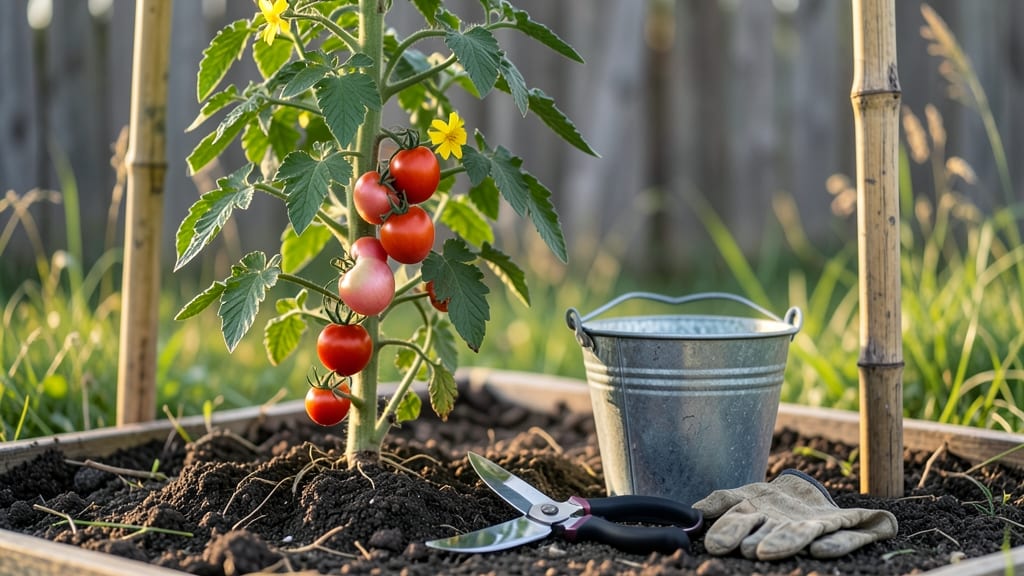
When you top off tomato plants, you're not just pruning—you're redirecting energy from endless vines to bushier harvests and thicker stems that support fruit like never before. 🌱 I learned this trick after my indeterminate tomatoes grew so tall they snapped under their own weight, leaving me with a handful of bruised tomatoes instead of a towering harvest.
The magic happens after flowering, when you snip just above a leaf cluster (or a flower bud if you're feeling ambitious). This forces the plant to put its energy into thickening stems and producing more side shoots—each one a potential new branch of tomatoes.
For determinate varieties, a light trim keeps them manageable; for indeterminates, aggressive topping can double your yield if done right. What you end up with is a plant that looks like a miniature tree instead of a floppy vine, with fruit clustered where you can actually reach it.
The stems stay sturdy enough to hold pound-after-pound of tomatoes without sagging, and the flavor? Often sweeter because the plant focuses its resources. Timing is everything—wait until after your first flush of blooms, and avoid cutting into the main stem if you want that central leader to keep growing.
Here's how to do it without turning your garden into a pruning disaster.
📚 In This Guide
- What you need
- Instructions
- Tips and common mistakes
- Wrapping up and next steps
What you need
- ● Pruning shears or sharp bypass pruners – Must be clean and sterilized (70% isopropyl alcohol works great). Opt for bypass blades (not anvil-style) to avoid crushing stems.
- ● Gloves – Heavy-duty gardening gloves (nitrile-coated for grip) to protect against thorns and sap.
- ● Disinfectant (70% isopropyl alcohol or bleach solution) – 1 part bleach to 9 parts water for sterilizing tools between cuts.
- ● Compost or mulch – A small bag (5–10 lbs) to cover pruned areas and prevent disease.
- ○ Sturdy support stakes or cages – Optional but recommended for indeterminate varieties (e.g., 6–8 ft tall bamboo stakes or tomato cages).
- ● Watering can or hose with a gentle nozzle – For post-pruning hydration.
- ● Healthy tomato plants – Only top off plants that are already flowering (typically 4–6 weeks after transplanting). Avoid pruning stressed or diseased plants.
- ● Good weather window – Choose a mild, dry day (avoid humidity spikes to prevent fungal issues). Early morning is ideal!
- ● Know your variety – Indeterminate tomatoes (e.g., Roma, Cherry) need topping, while determinate (e.g., Bush Early Girl) don’t.
- ● Sterilize tools between plants to avoid spreading bacterial wilt or early blight.
- ● Use a sharp knife or scissors for small side shoots—pruners can be bulky!
- ● Save pruned clippings in a paper bag (not plastic!) to compost later.
Instructions for pruning tomato plants to encourage bushier growth
Here’s how to prune your tomato plants like a pro—no experience needed.
✂️ Step 1: Identify the Main Stem and Suckers
Start by locating the main stem—the thick, central vine growing straight up from the base. This is your plant’s backbone and should never be pruned. Look for suckers, the small shoots that grow in the V-shaped junction between the main stem and a branch. These are the first things to remove—they drain energy from fruit production.
Use your fingers or a clean pair of pruning shears to gently pinch off suckers when they’re smaller than 2 inches. Wait until they’re this size to avoid stressing the plant. Real talk: If you miss a sucker, it’ll grow into a thick branch that steals nutrients from your tomatoes. I check my plants weekly in the morning when they’re turgid (full of water) and easier to handle.
✂️ Step 2: Prune Suckers Correctly to Avoid Damage
Never rip suckers—always pinch or cut them off cleanly at the base. If you leave a stub, it can rot or attract pests. I use sterilized pruning shears (wiped with rubbing alcohol) to make a clean cut just above the leaf node where the sucker meets the main stem. This prevents tearing and lets the plant heal faster.
For stubborn suckers, I twist them gently with my fingers until they snap cleanly. Avoid pruning during hot afternoons—the plant can go into shock. Early morning or late afternoon is ideal. You’ll know you’re doing it right when the cut area looks smooth and the plant doesn’t wilt afterward.
☀️ Step 3: Prune for Airflow and Sunlight Access
While removing suckers, thin out crowded foliage near the bottom of the plant. This improves airflow, which prevents fungal diseases like blight. Focus on leaves that are yellowing, diseased, or shading the fruit. A good rule of thumb: If sunlight can’t reach the lower branches, prune until it can.
For determinate tomatoes (bush varieties), prune lightly—just enough to remove suckers and dead leaves. For indeterminate tomatoes (vining types), you can be more aggressive. I leave 2-3 main stems on indeterminate plants to support more fruit. Watch for new suckers forming at the base of the plant—these are the most critical to remove early.
⏰ Step 4: Time Your Pruning for Maximum Growth
Prune every 5-7 days during the growing season (spring to early fall). Stop pruning 4-6 weeks before your first frost—the plant needs all its energy to ripen existing fruit. I mark my calendar with reminders because consistent pruning makes the biggest difference in yield and plant health.
After pruning, water deeply to help the plant recover. You’ll see new growth within 3-5 days if you’ve pruned correctly. If the plant looks stressed (wilting, yellow leaves), it might be overpruned—scale back next time. The goal is to keep the plant strong, bushy, and productive, not bare.
🌿 Step 5: Support Pruned Plants for Better Structure
Pruned tomato plants need extra support to handle their new shape. Use stakes, cages, or trellises to keep stems upright. I tie the main stem to the stake with soft plant ties every 6-8 inches as it grows. This prevents breakage and makes harvesting easier.
For heavy fruit loads, add a second stake on the opposite side to distribute weight. You’ll notice pruned plants bush out wider and produce larger, healthier tomatoes than unpruned ones. The key is balance—remove enough suckers to encourage airflow and fruit, but don’t overdo it or you’ll sacrifice yield.
Tips & tricks for perfect tomato pruning
Here's what nobody tells you about pruning that'll transform your tomato harvest.
Timing Secret: The weekly pruning schedule in Step 4 works best when you combine it with your morning watering routine. I've found that pruning right after watering—when plants are fully hydrated—makes suckers easier to spot and removes less stress on the plant. The morning light also helps you see any hidden suckers growing in shaded areas. This simple habit cuts my pruning time in half while improving results.
Tool Technique: Don't underestimate the power of clean tools in Step 2. I keep a small bottle of rubbing alcohol in my gardening toolkit specifically for sterilizing pruning shears between plants. This prevents spreading diseases like early blight between your tomato varieties. For stubborn suckers, I've found that twisting them gently with my fingers until they snap cleanly works better than cutting—it leaves a smaller wound that heals faster. Just be careful not to damage the main stem.
Variety-Specific Strategy: Step 3 mentions different approaches for determinate vs. indeterminate tomatoes, but here's the nuance: For indeterminate varieties, I actually leave the first few suckers near the top of the plant (about 12-18 inches from the top) to create additional fruiting branches. This creates a more productive canopy while still maintaining airflow. The key is to remove all suckers below the first flower cluster—these will never produce fruit and just compete for nutrients.
Pro Tips for Top Off Tomato Plants
- Here's what nobody tells you about pruning that'll transform your tomato harvest.
- Timing Secret: The weekly pruning schedule in Step 4 works best when you combine it with your morning watering routin...
- Tool Technique: Don't underestimate the power of clean tools in Step 2. I keep a small bottle of rubbing alcohol in m...
Frequently asked questions
Got questions about topping off tomato plants? You’re not alone! Here are some of the most common queries—plus straightforward answers to help you prune like a pro.
When is the best time to top off tomato plants?
Top your tomato plants when they reach your desired height—usually 5–6 feet for indeterminate varieties (like beefsteak or cherry tomatoes). Do it in the morning on a dry day to avoid stressing the plant. Never top in late summer or fall, as new growth won’t harden off before cold weather hits.
How do I know if I’ve topped too much?
If you’ve cut back more than 1/3 of the plant’s foliage at once, you’ve likely overdone it. Signs of over-pruning include yellowing leaves, stunted growth, or blossom end rot. Rule of thumb: Leave at least 4–6 strong stems and plenty of leaves to fuel photosynthesis.
Can I top determinate (bush) tomato plants?
Determinate tomatoes don’t need topping—they grow to a set size and produce fruit all at once. Pruning them can reduce yield and weaken the plant. Focus on removing suckers (side shoots) and diseased leaves instead. Save topping for indeterminate varieties!
What if my plant looks stressed after topping?
Stress is normal! Water deeply and avoid fertilizing for 1–2 weeks to help the plant recover. If leaves wilt or turn yellow, provide shade and monitor for pests. Pro tip: Top gradually over a few days if your plant is sensitive.
Are there alternatives to topping tomato plants?
Yes! For smaller spaces, try pinching suckers (removing side shoots) or using cage pruning (trimming only inside the cage). Some gardeners also disbud (remove flower clusters) early to encourage bushier growth. Experiment to see what works best for your variety!
Wrapping up and next steps
Topping off your tomato plants is a simple yet powerful way to boost your harvest and strengthen your plants—no green thumb required! 🌱 By following these pruning secrets, you’ll encourage bushier growth, better air circulation, and a bountiful yield of juicy tomatoes.
Whether you’re a seasoned gardener or just starting, this technique is your ticket to healthier plants and a thriving garden.
Ready to put your new skills into action? Grab your pruners, pick a sunny day, and give your tomato plants the care they deserve! Your future tomato feasts will thank you—one snip at a time. 🍅✨