
Companion Plants
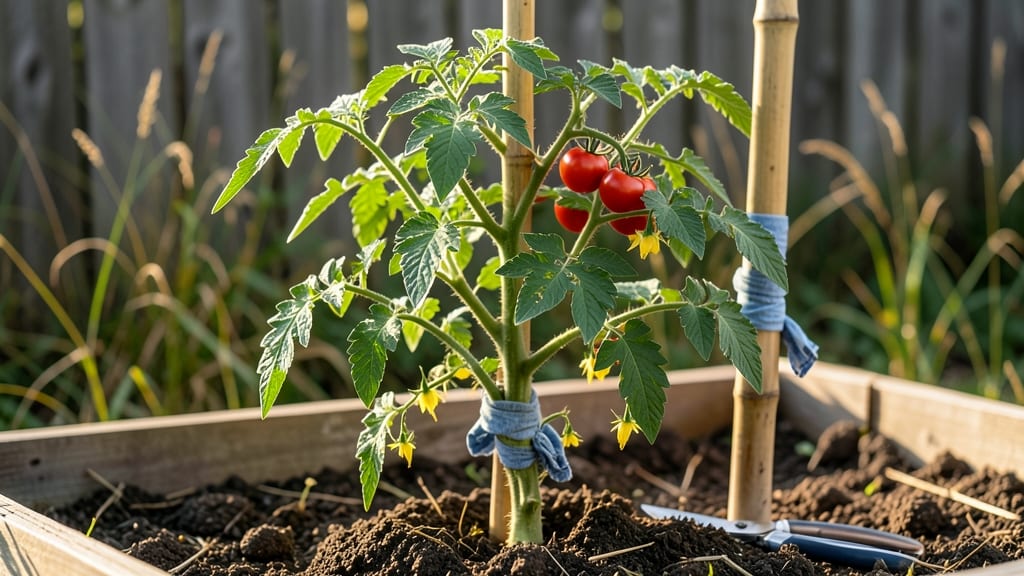
Tying tomato plants isn't just about keeping them upright—it's the secret to bigger, healthier fruit and fewer diseases. 🌱 I learned the hard way when my sprawling indeterminate tomatoes flopped onto the soil, inviting pests and blight.
A simple trellis system changed everything, turning my garden into a vertical salad bar.
You only need 3 basic supplies: sturdy bamboo stakes (6 feet tall), soft garden twine, and a pair of pruning shears. The stakes go in at planting time, and the twine—never wire—gently guides the vines upward without strangling them.
Determinate varieties need less support, but indeterminates thrive with this method, growing 10+ feet tall if given space.
By the end of summer, you'll harvest more tomatoes with fewer problems—no rotting fruit on the ground, no tangled messes, and plants that soak up maximum sunlight.
The key is weekly tying as the vines grow, plus pruning suckers to focus energy on fruit production. Even my black thumb can't mess this up.
Works for patio containers, raised beds, or backyard gardens—just adjust stake size to your space. Here's how to do it right the first time, with tips to avoid common mistakes like over-tightening or using the wrong twine. Let's get those vines climbing!
📚 In This Guide
- What you need
- Instructions
- Tips and common mistakes
- Wrapping up and next steps
What you need
- ● Trellis or Support Structure: A sturdy 5–6 ft tall wooden, metal, or PVC trellis (or a tomato cage for smaller varieties). For indeterminate tomatoes, opt for a stronger frame (e.g., a blank">A-frame trellis or blank">obelisks).
- ● Soft Plant Ties: 3–5 ft lengths of blank">jute twine, blank">velcro plant ties, or blank">soft cloth strips (avoid wire or anything that can cut stems!).
- ● Pruning Shears: Sharp, blank">bypass pruners (sterilized with rubbing alcohol) for trimming suckers and excess foliage.
- ● Gloves: Lightweight gardening gloves to protect your hands from thorns and dirt.
- ● Plant Clips: blank">Soft plastic clips for gentle, no-tie support (great for sensitive stems).
- ● Stakes or Twine: Extra bamboo stakes (6–12 inches long) if using a blank">floral wire method.
- ● Fertilizer: A blank">balanced organic fertilizer (e.g., 10-10-10) to boost growth post-pruning.
- ● Mulch: blank">Straw or shredded leaves to retain moisture and suppress weeds around the base.
Step-by-Step guide to training tomato plants on a trellis
Here’s how I keep my tomatoes growing strong, healthy, and productive all season long.
🪴 Step 1: Set Up Your Trellis Properly
Start by installing your trellis or stakes before planting. For indeterminate varieties, use a 6-foot-tall structure—taller plants need more support. I like bamboo stakes or metal cages because they’re sturdy and won’t bend under the weight of heavy fruit. Space them 18-24 inches apart in the row to avoid overcrowding.
Drive stakes 6-8 inches deep into the soil so they don’t wobble. If using a string trellis, attach twine or soft garden twine horizontally every 12 inches for vines to climb. The key is stability—if the trellis sways, your plants will struggle to grow upright.
🌱 Step 2: Plant Tomatoes Near the Trellis
When transplanting seedlings, place them 3-4 inches away from the trellis or stake. This gives roots room to establish before vines start climbing. Press the soil gently around the base to secure the plant, but don’t compact it—roots need air to breathe.
For indeterminate varieties, I like to weave the main stem loosely around the stake early on. This trains the plant to grow upward naturally. If using a cage, gently tuck the first few vines through the wires as they emerge. The goal is to guide growth without restricting it.
✂️ Step 3: Tie Vines as They Grow
Start tying when the main stem reaches 12-18 inches tall. Use soft plant ties or strips of old T-shirt fabric—avoid wire or anything that can cut into the stem. Loop the tie around the vine and the trellis, leaving a little slack so the plant can grow without strangulation.
I tie every 6-8 inches as the vine climbs. Watch for suckers (side shoots in the leaf axils)—pinch these off to direct energy upward. If a vine slips, don’t yank it—just retie gently. The goal is to keep the plant upright without bruising the stem.
☀️ Step 4: Maintain Airflow and Sun Exposure
Spread vines evenly across the trellis so they don’t shade each other. Overcrowded plants trap moisture, inviting disease. If a vine grows too long between ties, it’ll flop—check weekly and adjust as needed.
Rotate the trellis a quarter turn every few weeks so all sides get equal sun. You’ll see stronger, straighter growth when plants aren’t leaning toward one direction. Prune lower leaves occasionally to improve airflow, but leave enough foliage to feed the fruit.
💧 Step 5: Water and Fertilize for Strong Growth
Water at the base of the plant, not overhead. Wet leaves encourage blight, and tomatoes need deep watering 1-2 inches per week. I mulch around the base to retain moisture and keep roots cool.
Fertilize lightly every 3-4 weeks with a balanced 10-10-10 mix. Over-fertilizing leads to leafy growth at the expense of fruit. Watch for yellowing leaves—this often means too much nitrogen. Adjust and focus on potassium for fruiting instead.
Tips & tricks for perfect tomato trellis training
These simple tricks will help your tomato plants grow taller, healthier, and more productive all season.
Support System Stability: When driving stakes 6-8 inches deep in Step 1, use a hammer to create small holes first—this prevents soil compaction around the roots. For extra stability, I pound in two stakes per plant in a V-shape, especially for heavy-fruiting varieties like 'Sungold'. This prevents leaning and creates a stronger base for climbing.
Early Training Matters: In Step 2, don't wait for vines to reach the trellis before guiding them. As soon as the main stem is 6-8 inches tall, gently weave it around the stake or tuck it through cage wires. This early training prevents tangled vines later and creates a natural climbing habit. The first few inches are critical for establishing proper growth patterns.
Tie Technique: When tying vines every 6-8 inches in Step 3, use a loose figure-eight pattern rather than a simple loop. This allows the vine to grow without constriction while keeping it securely attached. I've found old T-shirt fabric strips work better than store-bought ties—they're soft, stretch slightly, and won't cut into the stem as the plant grows.
Sun Rotation Strategy: The quarter-turn rotation mentioned in Step 4 is a game-changer. I set a reminder in my phone every 3 weeks to rotate my trellises. This simple adjustment ensures all sides get equal sunlight exposure, which prevents the plants from growing lopsided. You'll notice stronger stems and more even fruit production across all branches.
Pro Tips for Tying Tomato Plants
- These simple tricks will help your tomato plants grow taller, healthier, and more productive all season.
- Support System Stability: When driving stakes 6-8 inches deep in Step 1, use a hammer to create small holes first—this prevents soil compaction around the roots.
- Early Training Matters: In Step 2, don't wait for vines to reach the trellis before guiding them.
Frequently asked questions
Got questions about tying tomato plants? You’re not alone!
Here are answers to the most common concerns—from timing to troubleshooting—so you can master trellis training like a pro.
When is the best time to start tying tomato plants?
Start tying indeterminate tomato plants (the vining types) once they reach 12–18 inches tall or when the first fruit sets. For determinate varieties (bush types), tying is optional but can improve airflow. Use soft ties (like garden twine or fabric strips) to avoid damaging stems. Pro tip: Tie every 5–7 days as the plant grows!
How often should I tie my tomato plants?
Check and adjust ties weekly during active growth (spring/summer). Loosen or retie as needed—never leave knots too tight, which can strangle stems. If your plants grow 6+ inches in a week, tie more frequently. Watch for: Wilting leaves (too tight) or flopping vines (too loose).
What if my tomato plants keep falling off the trellis?
Flopping vines usually mean insufficient support or poor tying technique. Double-check your trellis height (aim for 4–6 feet tall for indeterminates) and use multiple tie points (e.g., every 12 inches). For heavy fruit loads, add horizontal supports or a tomato cage hybrid. Quick fix: Use a soft cloth strip instead of wire to avoid stem damage.
Can I use anything other than twine to tie tomato plants?
Try these gentle alternatives:
- Fabric strips (old T-shirts work great!)
- Velcro plant ties (reusable and easy to adjust)
- Strips of burlap or pantyhose (soft and breathable)
- Plastic plant clips (for lightweight vines)
Will tying tomato plants increase yield or just make them look better?
Tying does both! Proper support boosts airflow (reducing disease risk like blight), maximizes sun exposure (more fruit set), and prevents soil-borne rot by keeping foliage off the ground. Studies show well-trained vines can produce 20–30% more tomatoes than untied plants. Bonus: Easier harvesting and less broken stems!
Wrapping up and next steps
Tying tomato plants to a trellis isn’t just smart gardening—it’s a game-changer for healthier, more productive vines! By improving airflow and sun exposure, you’ll dramatically boost fruit quality and reduce disease risks.
Whether you’re a seasoned gardener or just starting out, this simple technique makes a big difference with minimal effort.
Now that you’re ready to try it, grab your stakes, twine, and pruners and give your tomatoes the support they deserve! 🌱 Start small—even one plant transformed will have you hooked. Happy gardening! 🌞