
Planting
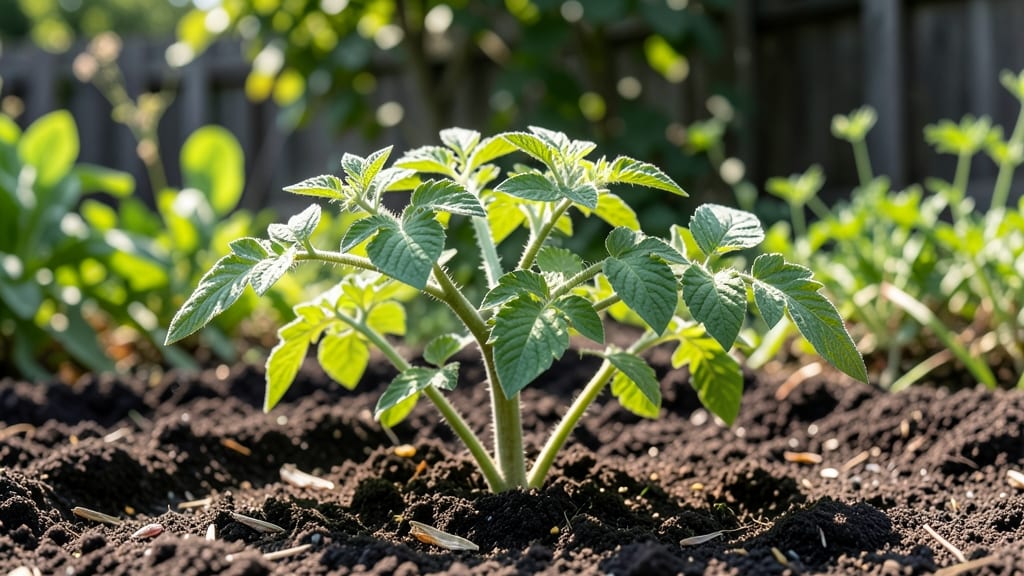
What do tomato plant seedlings look like? Those first tomato seedlings pop up looking like tiny, fuzzy aliens—two thick, rounded leaves called cotyledons that hug the soil like they're afraid to let go. 🌱 The real magic happens when the first true leaves appear: jagged, serrated edges and a deeper green than those initial baby leaves. Weeds usually have smoother edges or skinny stems, so you’ll spot the difference fast.
Healthy tomato stems stay sturdy and slightly hairy, never leggy or stretched. Roots in soil look like white, feathery threads—if you gently pull one, you’ll see a network growing outward, not just downward.
Compare this to weeds: their roots often cluster in one spot or grow straight down like little carrots.
Heirloom varieties sometimes show slightly larger leaves early on, while hybrids might grow a touch faster. But don’t stress—leaf shape is the real giveaway: tomato leaves are deeply lobed, almost like tiny maples. Weeds or other seedlings usually have simpler, smoother shapes.
Once you’ve spotted these clues, you’ll never mistake a tomato seedling for a weed again. The key? Check the leaves first, then confirm with the stem and roots. Confidence comes from knowing what to look for—and now you do.
📚 In This Guide
- What you need
- Instructions
- Tips and common mistakes
- Wrapping up and next steps
What you need
- ● Tomato seeds or seedlings: Choose heirloom, cherry, or beefsteak varieties (10–20 seeds or 5–10 seedlings for beginners).
- ● Seed-starting mix: 1–2 gallons of sterile, lightweight potting soil (avoid garden soil—it’s too dense!).
- ● Containers: For seeds: 2–4 inch deep trays or biodegradable pots (6–12 cells per tray).
- ● For seedlings: 5–7 inch pots or grow bags (1 seedling per container).
- ● Watering can or spray bottle: With a fine mist nozzle (gentle watering is key!).
- ● Grow lights or sunny windowsill: 12–16 hours of light daily (LED grow lights work great!).
- ● Fertilizer: Balanced liquid fertilizer (5-5-5 or 10-10-10, diluted to half-strength).
- ○ Humidity dome or plastic wrap: Optional but helps retain moisture for seeds.
- ● Plant labels: Small sticks or markers to track varieties (tomato seedlings can look very similar!).
- ● Tweezers or small spoon: For delicate seed handling.
- ● Pruners or scissors: For trimming leggy seedlings later.
- ○ pH test kit: Optional but handy—tomatoes thrive in soil pH 6.0–6.8.
- ● Temperature: Keep seeds at 70–80°F (21–27°C) for germination (a seedling heat mat helps!).
- ● Humidity: 50–70% for seedlings (a humidifier or tray of water nearby works).
- ● Drainage: Containers must have holes—no soggy roots allowed!
Identifying tomato seedlings: what to watch for in early growth
Here's how to tell if your tomato seedlings are thriving—or need help—from first sprouts to true leaves.
🌱 Step 1: Recognize the First Sprouts (Germination Stage)
The very first sign of life appears as a tiny white or pale yellow radicle—the embryonic root—that pushes through the soil. This happens 5-10 days after sowing, depending on warmth. You might miss it if the soil is dark, so I like to press gently on the surface with my finger to feel for resistance.
Next, a small loop forms just above the soil: the hypocotyl, the stem that will lift the seedling upward. Within 24-48 hours of the radicle appearing, you'll see the first cotyledons—those first two round leaves—emerge. They look like tiny, smooth-edged ovals, often a deeper green than true leaves will be.
🌿 Step 2: Spot True Leaves (Growth Stage)
After the cotyledons unfurl, wait 7-14 days for the true leaves to appear. These are the real deal—they'll look jagged, serrated, and more elongated than the smooth cotyledons. True leaves signal the plant is photosynthesizing properly and ready for stronger light.
Healthy tomato seedlings have thick, sturdy stems with leaves spaced evenly along the stem. If leaves are clustered at the top with a long, weak stem in between, your seedlings need more light. I always check the underside of leaves for pests—tiny webs or specks mean it's time to isolate the plant.
🪴 Step 3: Assess Root Development (Transplant Readiness)
When seedlings have 3-4 true leaves, it's time to check the roots. Gently squeeze the sides of the pot or pull the plant out to see if roots fill the container. Healthy roots are white or pale, not brown or mushy. If roots are circling tightly, they're root-bound and need transplanting.
Look for secondary roots branching off the main root—this means the plant is establishing a strong network. If roots are sparse or black, overwatering or poor drainage is the culprit. I always transplant on a cloudy day to reduce shock, and water deeply right after to encourage new root growth.
⏰ Step 4: Monitor for Common Growth Issues
Leggy seedlings with pale stems and leaves stretching toward light mean insufficient light. Move them within 2-4 inches of a grow light or south-facing window. Yellowing leaves usually indicate overwatering—let the top inch of soil dry out before watering again.
If seedlings collapse suddenly, damping-off disease (a fungal infection) may be to blame. This shows as a soft, mushy stem at the soil line. To prevent it, avoid overhead watering and keep humidity moderate. I always use sterile seed-starting mix and clean containers to minimize risk.
☀️ Step 5: Prepare for Hardening Off
When seedlings reach 4-6 inches tall with 5-6 true leaves, they're ready for hardening off. Start by placing them outside in partial shade for 1-2 hours the first day, gradually increasing exposure. Watch for wilting—this means they're not ready for longer outdoor time yet.
Healthy tomato seedlings should have a compact, bushy shape with vibrant green leaves. If they look stunted or purple-tinged, they need more nutrients or better light. This is the moment to assess their readiness for the garden—strong roots, sturdy stems, and vibrant leaves mean they're primed for transplanting.
Tips & tricks for identifying healthy tomato seedlings
These practical insights will help you spot the signs of thriving tomato seedlings—and catch problems before they become serious.
Germination Stage Insight: The radicle appears first, but don't overlook the subtle hypocotyl loop that forms within 24-48 hours. That tiny stem curl is your early warning system—if it fails to straighten, your seedlings may need warmer conditions. I've seen germination slow dramatically when soil temperatures dip below 65°F, so consider using a seedling heat mat if your growing area stays cool.
True Leaf Identification: Those first true leaves (7-14 days after cotyledons) are your plant's true character reveal. Look for serrated edges and a slightly rough texture—they should be noticeably different from the smooth cotyledons. A quick trick: hold a leaf up to a bright light. Healthy true leaves will have visible veins running through them, while stressed leaves may appear translucent or have brown spots along the edges.
Root Health Check: When you're ready to assess roots at the 3-4 true leaves stage, don't just look—touch! Healthy roots should feel firm and springy, like fresh asparagus. If they feel slimy or collapse when touched, you're dealing with overwatering or root rot. I've salvaged many seedlings by repotting them in fresh, sterile mix and reducing watering to every other day until new white roots appear.
Light Condition Troubleshooting: Leggy seedlings with stems stretching toward light aren't just ugly—they're desperate. The 2-4 inch distance from grow lights is critical because tomato seedlings need intense light (14-16 hours daily) to develop properly. If you notice leaves turning purple or stems elongating rapidly, it's time to move them closer or supplement with a second light source. I've had to replace entire trays of seedlings when they became too leggy to recover.
Pro Tips for What Do Tomato Plant Seedlings Look Like
- These practical insights will help you spot the signs of thriving tomato seedlings—and catch problems before they become serious.
- Germination Stage Insight: The radicle appears first, but don't overlook the subtle hypocotyl loop that forms within 24-48 hours.
- True Leaf Identification: Those first true leaves (7-14 days after cotyledons) are your plant's true character reveal.
Frequently asked questions
Got questions about spotting and nurturing tomato seedlings? You’re not alone! Here are some of the most common queries—plus quick, actionable answers to help you grow confidently.
How do I tell if my tomato seedlings are healthy or diseased?
Healthy tomato seedlings have vibrant green leaves (not yellow or brown), sturdy stems, and a compact shape. Watch for pests like aphids or diseases such as damping-off (black, mushy stems). If leaves curl or spots appear, isolate the plant and check soil moisture—overwatering often triggers fungal issues.
When will my tomato seedlings sprout after planting seeds?
Tomato seeds typically sprout in 5–14 days, depending on warmth and moisture. Keep soil consistently moist (not soggy) and maintain temperatures around 70–85°F. If no sprouts appear after 2 weeks, gently recheck seed depth—some seeds may need ¼-inch coverage.
What do tomato seedlings look like when they’re ready to transplant?
Seedlings are ready when they have 2–4 true leaves (the first leaves are seed leaves; true leaves are serrated and tomato-shaped). They should also be 3–4 inches tall with a thick, sturdy stem. Harden them off for 1–2 weeks before transplanting to prevent shock.
Can I use regular potting soil for tomato seedlings?
While potting soil works, tomato seedlings thrive in a lightweight, well-draining mix with added compost or worm castings. Avoid heavy garden soil—it compacts and suffocates roots. For best results, blend 50% potting soil + 50% perlite/vermiculite to improve aeration.
Why are my tomato seedlings leaning or falling over?
Leaning seedlings often suffer from etiolation (stretching due to poor light). Move them to a sunny window or use grow lights. If stems are weak, bury ⅔ of the stem when transplanting—roots will form along the buried section, creating a stronger base. Avoid overcrowding trays, too!
Wrapping up and next steps
Recognizing tomato seedlings early—from their tiny cotyledons to their first true leaves—sets you up for success in growing healthy, thriving plants. 🌱 Whether you're starting indoors or direct-sowing, knowing what to look for helps you provide the right care, from proper lighting to gentle watering.
Now that you’re equipped with this knowledge, take the next step: plant with confidence! Grab those seedlings, give them a cozy home, and watch your garden bloom with delicious tomatoes in no time.