
Plants
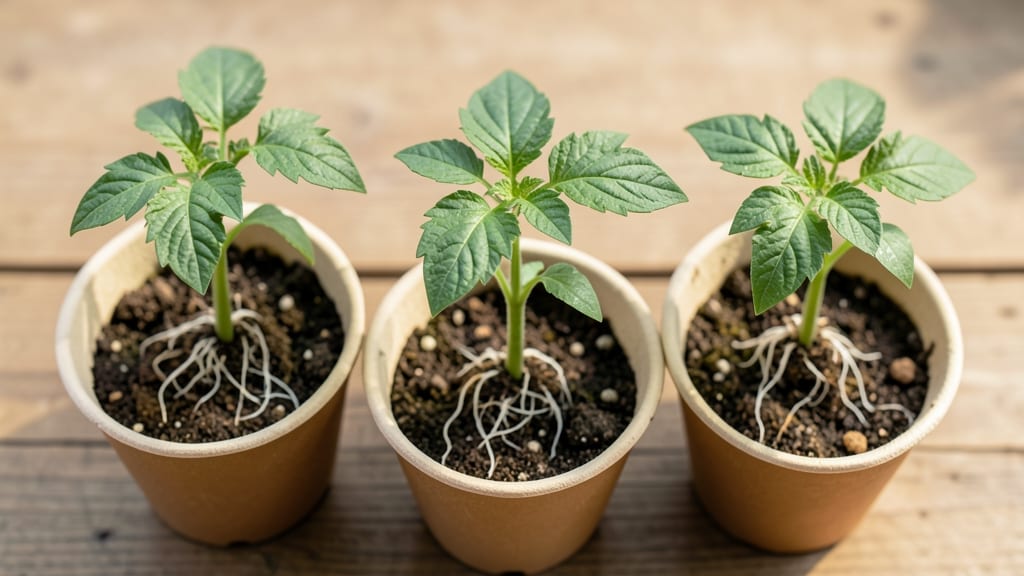
Identifying tomato seedlings at each growth stage is crucial for gardeners. These 10 visual guides show exactly what healthy seedlings look like from germination to true leaf development, helping you nurture strong plants for a bountiful harvest.
Germinated Tomato Seedlings With Tiny White Roots
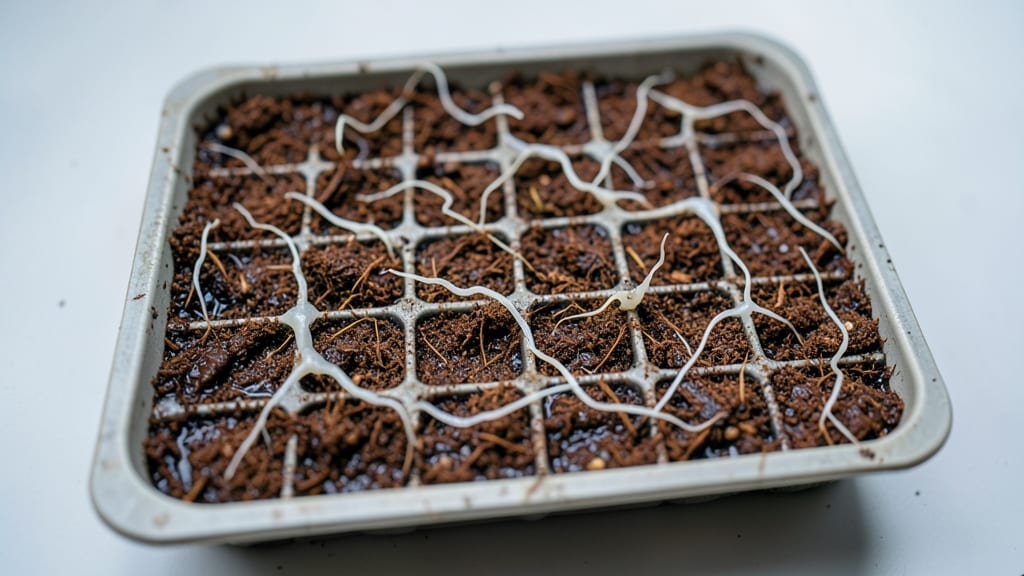
That moment when you peek under your seed tray and spot the first sign of life—tiny white roots breaking through the seed coat—is pure magic. These delicate sprouts appear 5-14 days after planting, proving your seeds have successfully broken dormancy and are ready to grow.
Look for white, thread-like roots (about ¼-inch long) emerging from the seed, often accompanied by a small bump where the shoot will soon push upward. This stage is your first visual confirmation of success, and it’s the perfect time to keep the soil moist but not soggy. Avoid disturbing the roots while checking for germination—gently lift the seed tray if needed.
This early stage is especially exciting for beginner gardeners who may worry about seed viability. Those tiny roots mean your seedlings are on their way to becoming strong, productive plants. 🌱
Cotyledon Stage With Two Small Leaves
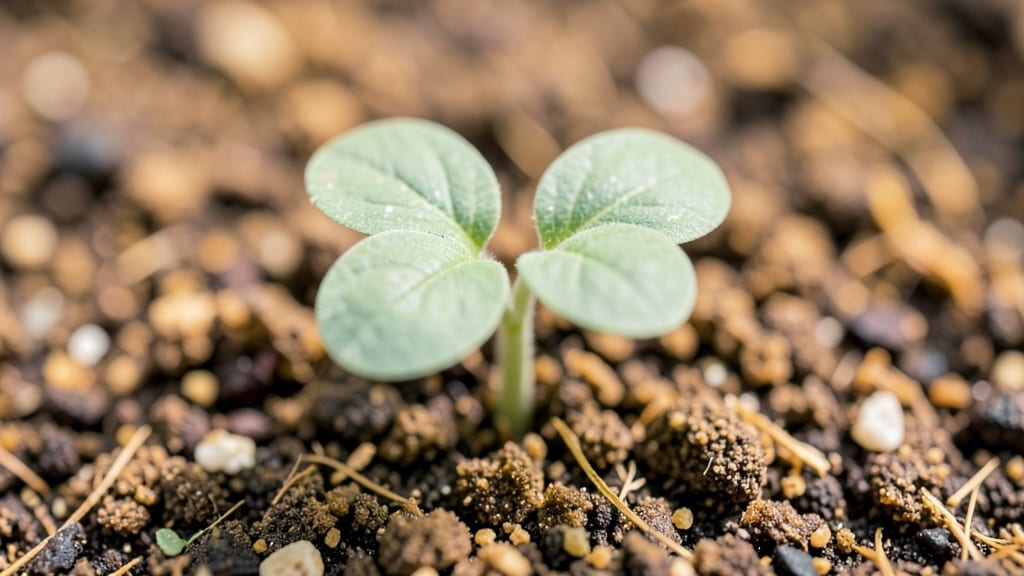
Those first two tiny leaves you spot aren’t the real deal—they’re cotyledons, the seedling’s temporary energy factories that kickstart photosynthesis. Unlike later leaves, these round, pale green structures appear 7-10 days after germination and lack the jagged edges that define true tomato foliage.
Cotyledons are usually smooth-edged and slightly thicker than future leaves, with subtle veins visible under good light. This stage is critical because it’s when seedlings begin converting sunlight into energy—keep them in bright, indirect light and avoid overwatering, as soggy soil can drown these delicate pioneers.
New gardeners often mistake cotyledons for weeds, but recognizing this stage helps you time transplanting just before true leaves emerge. Watch for these round leaves to unfurl fully before moving seedlings to larger pots. 🌱
First True Leaves Emerging Between Cotyledons
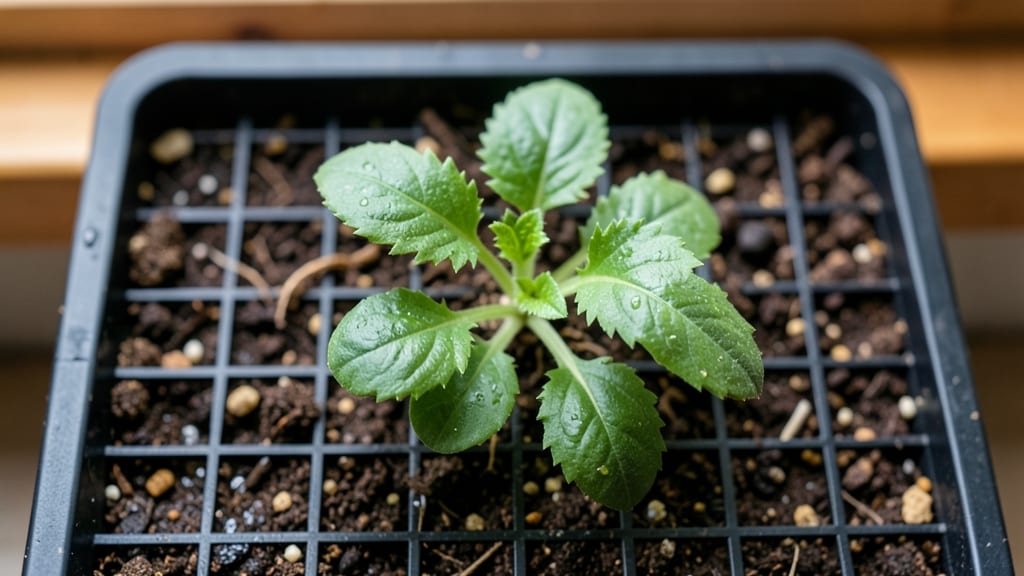
Here’s the moment you’ve been waiting for: your tomato seedlings are evolving! Between the familiar round cotyledons (those first two leaves), you’ll spot serrated-edged true leaves—a game-changer for growth. This stage appears 10–14 days after germination, signaling the plant is ready to shift into high gear.
True leaves are smaller than cotyledons but have jagged edges and a vibrant green hue, while cotyledons remain smooth and pale. If you’re unsure, gently tug—true leaves won’t snap off as easily. This is also the perfect time to thin seedlings if crowded, ensuring each plant gets enough light and nutrients for robust development.
Don’t overlook this milestone—it’s your cue to start hardening off seedlings if transplanting soon. Beginners, this is where the magic happens! 🌱
Healthy Seedling With Three True Leaves
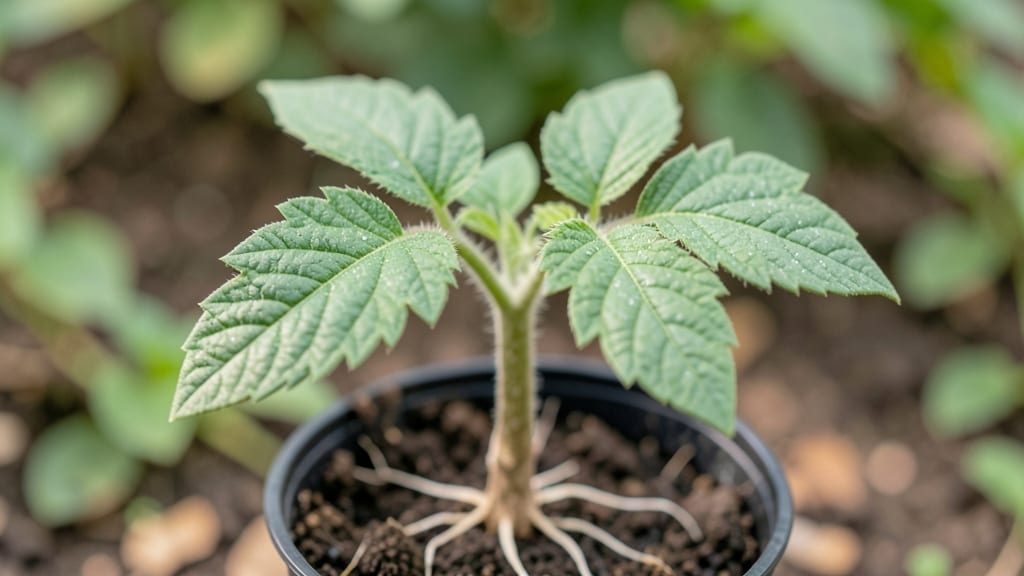
When your tomato seedlings develop their third set of true leaves, it’s your cue to prepare for transplanting. This stage marks the perfect balance of root and leaf development, ensuring your plants are strong enough to handle the move to larger containers or garden beds.
Look for leaves with serrated edges and a deep green color, spaced evenly around a sturdy stem. The roots will have grown enough to support the plant’s new environment, reducing transplant shock. Harden off seedlings by gradually exposing them to outdoor conditions over 5-7 days before transplanting for best results.
This is especially helpful for beginners who may worry about transplanting too early—waiting until this stage ensures your seedlings thrive in their new home. 🌱
Seedling Developing First Stem Hair
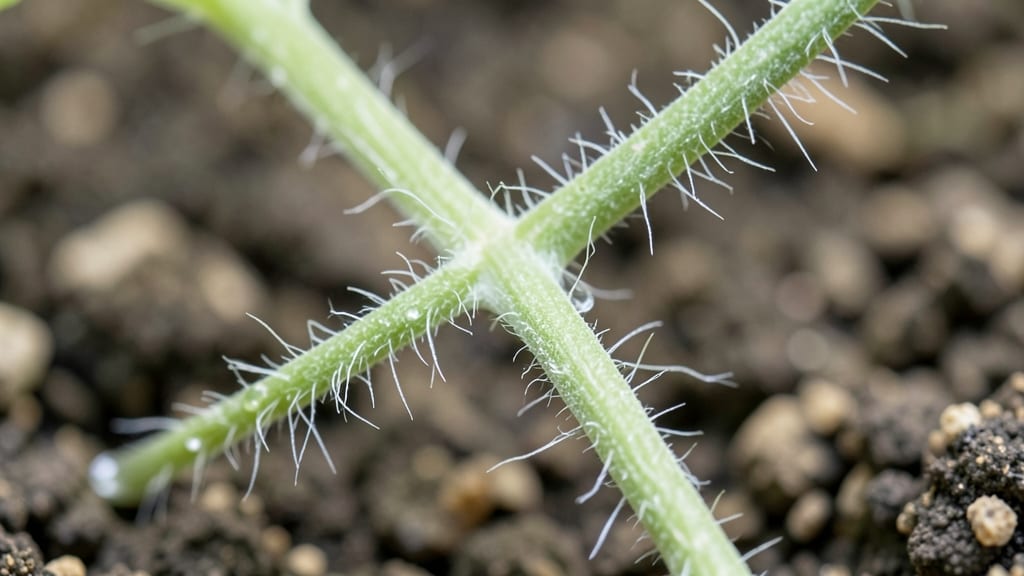
Those tiny, almost invisible hairs on your tomato seedling's stem aren't just for show—they're a sign of robust genetic health and a natural defense system. These fine, white, hair-like structures (called trichomes) help prevent fungal diseases and lock in moisture during the delicate early growth phase.
You'll typically spot them appearing when the seedling has 3-4 true leaves, often in clusters along the stem. These trichomes create a microclimate that reduces water loss and deters pests, making your seedlings more resilient. If you're growing in humid conditions, these hairs become even more critical for preventing mold.
This subtle detail matters most for gardeners in high-humidity zones or those using heirloom varieties, where genetic traits like trichome density can vary. Keep an eye out for this early sign of a thriving plant! 🌱
Seedling With Purple Stem Indicating Variety
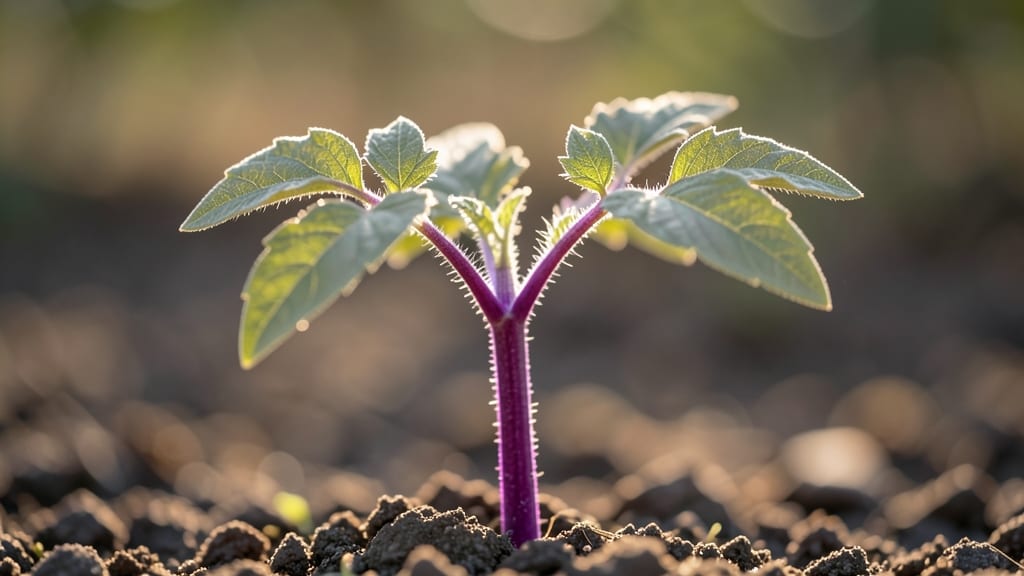
Ever noticed a tomato seedling with a purple stem and wondered what it means? This vibrant color isn't a sign of trouble—it's actually a genetic trait in certain heirloom varieties that helps you identify specific types, like 'Purple Calabash' or 'Black Krim'.
The purple pigment, called anthocyanin, doesn't affect growth speed or fruit production, but it can hint at flavor profiles or disease resistance. For example, varieties with purple stems often develop deep red or purple fruits when mature. This trait is purely cosmetic but serves as a handy marker for gardeners who grow multiple varieties.
If you're collecting seeds or preserving heirloom types, this visual cue can help you track specific plants without labels. Just remember, the color fades slightly as the plant matures, so act fast when identifying seedlings! 🌟
Seedling Showing First Leaf Curling
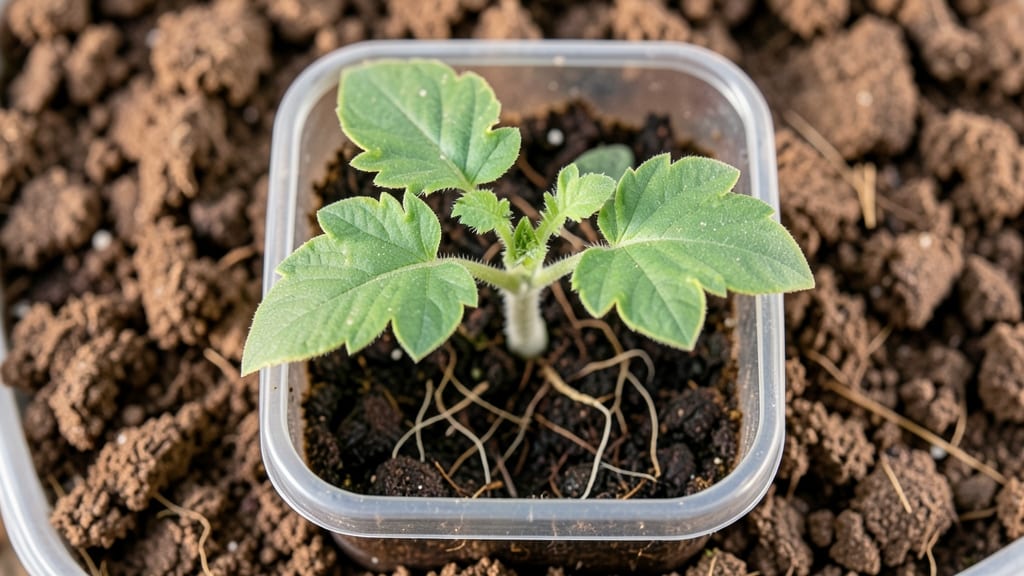
When your tomato seedling's first leaves start curling, it’s not always a cause for alarm—but knowing the difference between normal growth and early stress signs can save your plants. This subtle change often appears 2-3 weeks after germination, signaling everything from environmental factors to potential disease.
Curling can stem from overwatering (yellowing leaves) or underwatering (brown edges), but also from temperature fluctuations or pests like spider mites. Check the undersides of leaves for tiny webs or discoloration. If the curling is paired with stunted growth or spots, it’s time to investigate further—perhaps adjusting your humidity levels or applying neem oil.
This early warning system is especially helpful for beginner gardeners who may not yet recognize subtle plant signals. Acting quickly can prevent minor issues from becoming major problems, ensuring your seedlings grow into strong, productive plants. 🌱
Seedling Developing Compound Leaves
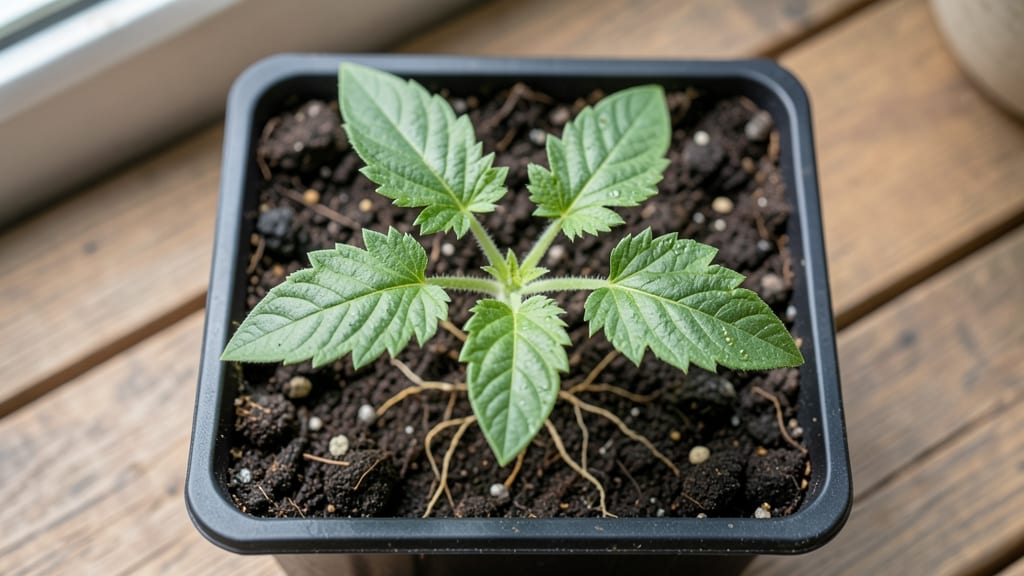
When your tomato seedling starts developing compound leaves—those with multiple leaflets instead of single leaves—it’s a clear sign your plant is entering a phase of rapid growth. This stage typically appears 4-6 weeks after germination, marking the transition from delicate seedlings to robust young plants.
These compound leaves indicate the seedling is ready for more aggressive growth, meaning it will soon need larger containers (at least 5-6 inches deep) to support its expanding root system. Look for 5-7 leaflets arranged along a central stem, with vibrant green color and serrated edges. This is also when you’ll notice faster stem elongation and thicker foliage.
Gardeners using small seedling trays should transplant into individual pots at this stage to prevent root binding. It’s especially helpful for beginners to recognize this growth spurt, as it signals the perfect time for hardening off and eventual garden placement. 🌱
Seedling With Visible Flower Buds
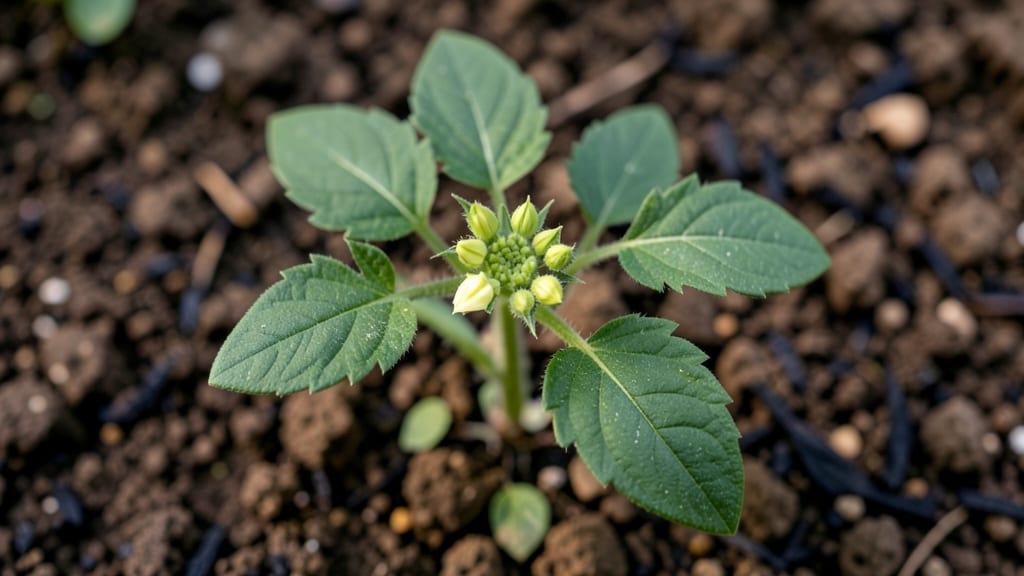
When you spot those first tiny yellow-green flower buds on your tomato seedlings, it’s a clear sign your little plants are ready for their next growth phase—but it’s also a critical moment for adjusting care. These buds appear when seedlings are about 6-8 weeks old and indicate the plant is shifting energy from leaf growth to flowering and fruiting.
At this stage, switch to a balanced fertilizer (like 10-10-10) to support both foliage and bud development. Avoid high-nitrogen feeds, which can promote leafy growth at the expense of flowers. Prune any suckers (side shoots) to redirect energy to the main stem and buds, and ensure seedlings get 6-8 hours of sunlight daily to prevent buds from falling off.
This nutrient-sensitive phase is especially important for beginners—proper care now ensures a stronger plant that will produce more fruit later. 🌻
Seedling Ready for Transplanting

Your tomato seedlings are finally ready to graduate from their cozy trays to the garden—when they’ve reached the 4-6 true leaves stage with sturdy stems and a healthy root system. This is the moment you’ve been waiting for, where your little plants are strong enough to handle the big, bold world outside.
Look for dark green, serrated leaves (not the smooth cotyledons from earlier) and a thickened stem that can support itself. Gently tug on the seedling—if it resists and roots are visible when you remove it from its container, it’s ready. Transplant in the late afternoon to reduce shock, and water thoroughly to help roots establish quickly in their new home.
This stage is especially important for container gardeners or those in cooler climates, as it ensures your plants have the resilience needed to thrive. Don’t wait too long—once they develop flower buds, they’ll focus energy on fruiting instead of root growth. 🌱