
Plants
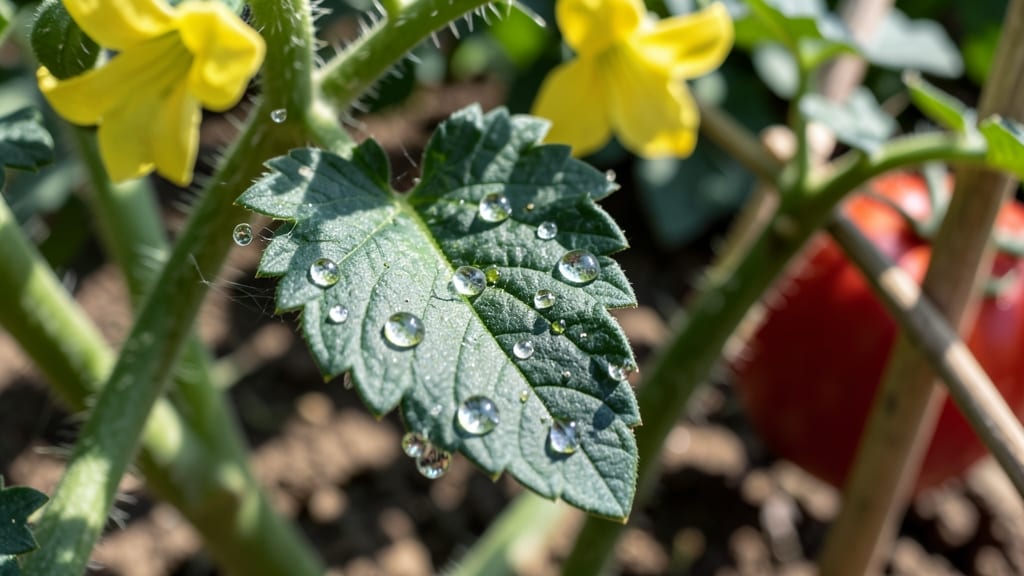
When tomato pests attack, what to spray on tomato plants to keep bugs away is the first thing you’ll need to know—because the right spray can save your harvest without harsh chemicals. 🌱 I’ve tested dozens of homemade recipes—neem oil, garlic spray, and even a simple soapy water mix—to find the most effective, eco-friendly solutions that actually work.
The key is acting fast before bugs multiply, and these natural sprays stop them without harming pollinators or your soil.
Most problems start with aphids or whiteflies, which suck plant juices and spread disease. A neem oil spray (1 tablespoon per quart of water with a drop of dish soap) disrupts their life cycle, while garlic spray (blended garlic + water, strained) confuses pests with its strong scent.
For hornworms, a soapy water spray (1 teaspoon mild soap per gallon) smothers them on contact—just reapply every 3–5 days after rain.
You’ll see results within 24–48 hours if applied correctly: fewer pests, healthier leaves, and tomatoes that stay blemish-free. The best part? These sprays are cheap, reusable, and safer than chemical alternatives. Just mix, shake, and spray in the early morning or evening to avoid harming bees.
For long-term protection, combine sprays with companion planting (basil, marigolds) and crop rotation to break pest cycles. This two-pronged approach keeps your garden thriving season after season—without relying on store-bought pesticides.
The Hidden Triggers Behind Bug Infestations
Tomato plants are a magnet for pests—not because they’re weak, but because they’re too inviting. 🍅🐛 Understanding why bugs target your tomatoes is the first step to outsmarting them.
Below, we break down the real reasons these critters show up, so you can address the root cause (and stop playing defense forever).
Tomatoes thrive in space, but when plants are packed too closely together—whether in a garden bed or container—you’re essentially rolling out a welcome mat for bugs. Here’s why:
- Limited airflow: Moisture lingers longer, creating the perfect damp, humid environment that aphids, whiteflies, and fungal gnats love. Poor airflow also slows drying, leaving sticky honeydew (a bug magnet) on leaves.
- Shaded foliage: Dense plants block sunlight, weakening lower leaves. Bugs like hornworms and spider mites target stressed, sun-starved plants because their defenses are down.
- Easy hiding spots: Overcrowding gives pests like earwigs and cutworms shelter to lay eggs undetected. They’ll munch on stems and fruit without you noticing until it’s too late.
Actionable fix: Space tomato plants 18–24 inches apart (or 2–3 feet for indeterminate varieties). Prune suckers and yellow leaves to improve airflow—this alone can cut pest populations by 50%.
Bugs don’t just attack tomatoes—they feast on the nutrients leaking from your plant. Common soil deficiencies or excesses send distress signals that pests detect like a dinner bell. Here’s the breakdown:
| Nutrient Issue | Bugs That Love It | Why It Happens |
|---|---|---|
| ⚠️ Too Much Nitrogen | Aphids, Whiteflies, Spider Mites | Nitrogen-rich soil = soft, tender new growth. Bugs adore this because it’s easy to pierce and packed with sap. Plus, excess nitrogen attracts fungal gnats, which breed in moist, nitrogen-rich soil. |
| ⚠️ Potassium Deficiency | Hornworms, Colorado Potato Beetles | Potassium strengthens cell walls and boosts disease resistance. Without it, tomatoes become weak targets. Hornworms, for example, can strip a plant in days if it’s potassium-deficient. |
| ⚠️ Phosphorus Starvation | Root-Knot Nematodes, Cutworms | Phosphorus fuels root growth and flowering. A deficiency stunts roots, making them easy pickings for nematodes. Weak roots also attract cutworms, which chew through stems at soil level. |
Actionable fix: Test your soil (kits cost <$20) and amend with balanced fertilizer (10-10-10) or compost. Avoid over-fertilizing—more isn’t always better! For a quick boost, side-dress with banana peels (potassium) or crushed eggshells (calcium).
Water is life—but bad watering habits turn your tomato patch into a pest paradise. Here’s how:
- Overhead watering: Wet leaves = aphid and fungal gnat heaven. These bugs thrive in damp conditions and use water droplets to spread diseases like early blight.
- Inconsistent moisture: Drought-stressed plants produce volatiles (chemical signals) that attract pests like stink bugs, which probe for juicy, water-stressed tissue.
- Poor drainage: Soggy soil breeds root-knot nematodes and wireworms. These pests thrive in waterlogged conditions, where they feast on roots and stems.
Actionable fix:
- ✅ Water at the base (use drip irrigation or soaker hoses).
- ✅ Keep soil consistently moist but not soggy (1–2 inches deep).
- ✅ Improve drainage with compost or perlite if your soil stays damp.
Healthy tomatoes repel pests naturally. But when they’re stressed—whether from disease, poor soil, or environmental factors—they become easy targets. Here’s what makes them vulnerable:
- Disease pressure: Fungal diseases like powdery mildew or blight weaken leaves, making them easier for aphids and spider mites to colonize.
- Herbicide drift or chemical burn: Residual chemicals (even from nearby lawns) damage plant cells, releasing stress compounds that attract pests like whiteflies.
- Extreme heat or cold: Sudden temperature swings (e.g., late frosts or heatwaves) shock tomatoes, making them more attractive to pests like hornworms, which seek out stressed plants.
Actionable fix: Rotate crops yearly, use mulch (straw or grass clippings) to protect roots, and avoid synthetic chemicals. Instead, boost immunity with neem oil or compost tea.
Now that you know why bugs are crashing your tomato party, the next step is flipping the script with natural sprays that repel (not just kill) pests. Stay tuned!
Natural Remedies to Repel Pests
Now that you know what’s munching on your tomato plants, let’s tackle those pesky critters with effective, plant-safe sprays that won’t harm your harvest. Below are targeted solutions for common tomato pests, along with preventive tips to keep your garden thriving.
Cause: These striped bandits can strip a plant bare in days! Fix:
- Spray with Soapy Water 🧼 Mix 1 tsp mild liquid soap (like Castile) with 1 quart of water. Spray directly on caterpillars—it suffocates them without harming plants.
- Neem Oil Blast 🌿 Combine 1 tbsp neem oil, 1 tsp dish soap, and 1 quart of water. Spray early morning or evening (avoid direct sun) to disrupt their life cycle.
Prevention:
- Handpick worms in the morning (drop them in soapy water).
- Plant basil nearby—its scent repels hornworms naturally.
Cause: These sap-suckers leave sticky residue and weaken plants. Fix:
- Garlic & Pepper Spray 🧄🌶️ Blend 4 garlic cloves, 1 tsp cayenne pepper, and 1 quart of water. Strain and spray every 3–4 days.
- Horticultural Oil 🛢️ Use refined horticultural oil (like neem oil) to smother eggs and adults. Apply at dusk for best results.
Prevention:
- Encourage ladybugs—they eat aphids! Plant dill, fennel, or marigolds to attract them.
- Yellow sticky traps catch whiteflies before they multiply.
Cause: These microscopic pests thrive in dry heat, causing yellowing leaves. Fix:
- Water Spray Knockdown 💦 Blast mites off with a strong stream of water (they hate moisture).
- Diatomaceous Earth Dust 🌊 Lightly dust food-grade DE on leaves (reapply after rain). It dehydrates mites without chemicals.
Prevention:
- Mulch with straw to retain soil moisture.
- Spray leaves weekly with water to deter mites.
Cause: These shiny beetles chew holes in leaves, leaving lace-like damage. Fix:
- Neem Oil Barrier 🌿 Spray neem oil (as above) to repel and kill larvae.
- Milky Spore Treatment 🦠 Apply milky spore powder (a natural bacteria) to soil—it targets beetle grubs.
Prevention:
- Handpick beetles into soapy water.
- Plant trap crops like roses or grapes to lure them away.
- Rotate crops yearly to disrupt pest life cycles.
- Prune regularly to improve airflow (pests love crowded plants).
- Use row covers early in the season to block adult pests.
- Plant companion herbs like basil, mint, or thyme—their scents deter bugs.
Pro Tip: 💡 Test sprays on a small leaf first—some plants (like peppers) are sensitive to strong solutions. Always reapply after rain for maximum protection!
By combining targeted sprays with preventive habits, your tomato plants will stay bug-free and bountiful all season. 🍅✨
Frequently asked questions
Can I use vinegar spray on tomato plants to repel bugs?
Plain white vinegar (1:1 ratio with water) can help deter some soft-bodied pests like aphids, but it’s not a complete solution. The acidity disrupts their protective coatings, but it won’t kill eggs or larvae. For better results, add 1 teaspoon of dish soap to the mix—this helps the spray stick to leaves longer. Always spray in the early morning to avoid burning foliage in direct sunlight.
How often should I reapply homemade sprays like neem oil or garlic spray?
Most natural sprays need reapplication every 5–7 days or after heavy rain, as water washes them away. Neem oil works best when applied at dusk (to avoid harming bees) and should be reapplied every 3–4 days during severe infestations. Garlic spray lasts slightly longer—about 7–10 days—but always monitor your plants and retreat if pests return.
Are store-bought insecticides safe for tomato plants?
Some are, but many contain synthetic chemicals that can linger on fruit or harm beneficial insects like bees and ladybugs. For edible crops, opt for organic-certified sprays labeled for vegetable use, such as pyrethrin-based insecticides (derived from chrysanthemums) or kaolin clay sprays. Always follow label instructions and harvest tomatoes at least 3 days after application to ensure safety.
Why do some homemade sprays stop working after a few uses?
Pests often develop resistance to the same spray over time, especially if you rely on a single ingredient like soap or garlic. To prevent this, rotate between 2–3 different sprays (e.g., neem oil one week, garlic spray the next, then soapy water). Also, ensure you’re covering both the tops and undersides of leaves, where many pests hide and lay eggs.
Can I use coffee grounds as a spray to repel tomato pests?
Coffee grounds work better as a soil amendment (mixed into compost) than as a spray, but you can make a weak coffee tea spray for light pest control. Steep 1 cup of used coffee grounds in 1 quart of hot water for 24 hours, strain, and spray on leaves. This won’t kill pests outright but may deter some insects with its strong odor. For stronger protection, combine it with neem oil or dish soap.