
Plants
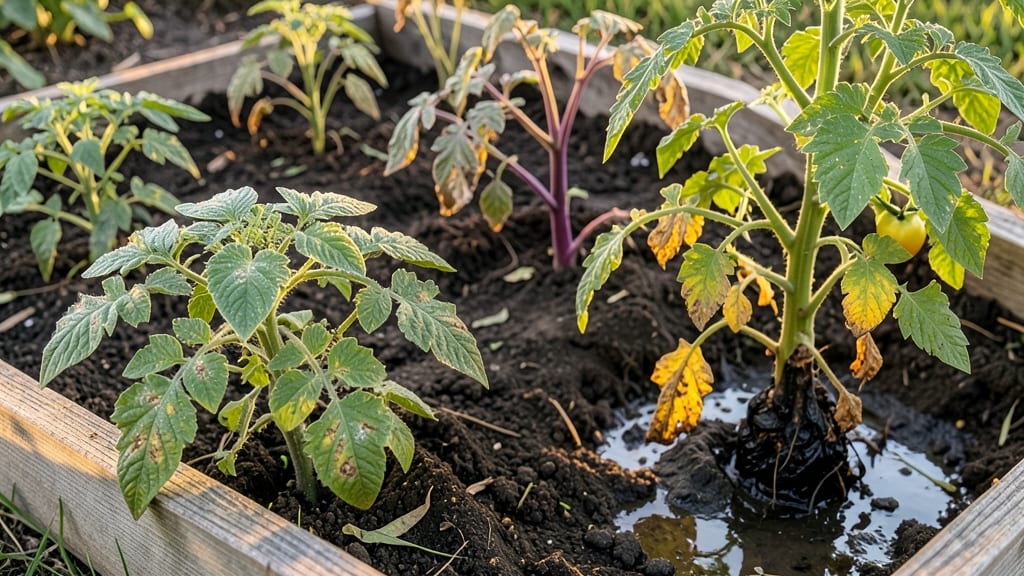
What’s wrong with my tomato plant? Yellow leaves and blossom drop can turn your tomato plant from thriving to tragic in days. 🌱 I’ve diagnosed every sad tomato plant in my garden—from soggy roots to hungry bugs—and I’m sharing the quick fixes that actually work, not just theory.
Most problems start with one of three things: too much water, not enough nutrients, or pests hiding in plain sight. The good news? Each has a simple solution—like adjusting your watering schedule or adding a handful of compost.
I’ll walk you through the symptoms, what’s really causing them, and the foolproof steps to revive your plant. By the end, you’ll know exactly how to save your tomatoes, whether it’s yellowing leaves from overwatering or blossoms dropping from temperature swings.
The key is acting fast—most fixes take less than 10 minutes and prevent future disasters. This works for container plants, raised beds, or in-ground gardens. Let’s get your tomatoes back on track!
Root Causes Behind Plant Stress
When your tomato plant starts showing signs of distress—like yellow leaves or dropped blossoms—it’s often a cry for help from the roots up. Understanding why these issues occur is the first step to saving your harvest.
Below, we break down the most common culprits, backed by science, so you can diagnose the problem like a pro.
Tomatoes are thirsty plants, but too much water can suffocate their roots, leading to root rot (a fungal infection caused by Phytophthora or Pythium). When roots sit in soggy soil, they can’t absorb oxygen, which triggers:
- Yellowing leaves (chlorosis) due to nutrient uptake failure.
- Stunted growth as the plant diverts energy to survive.
- Blossom drop when the plant prioritizes root health over fruit production.
💡 Why it happens: Clay or compacted soil traps excess moisture, while overzealous watering (especially without breaks between sessions) creates anaerobic conditions. Even "well-draining" pots can fail if they lack drainage holes or are overpotted.
On the flip side, tomatoes wilt and drop blossoms when they’re thirsty or battling heat stress. Here’s the science:
- Wilting occurs when transpiration (water loss through leaves) outpaces absorption, causing cells to collapse.
- Blossom drop happens because high temperatures (above 90°F/32°C) disrupt pollination—tomatoes rely on bees or gentle shaking to fertilize flowers, but heat weakens the process.
- Yellowing edges on leaves signal osmotic stress, where the plant sacrifices leaf tissue to conserve water.
🌡️ Why it happens: Tomato roots struggle to reach deep water in shallow soil, and container-grown plants dry out faster. Heat also increases respiration rates, forcing the plant to burn energy instead of growing.
Unseen pathogens can wreak havoc on tomato plants. The most damaging offenders include:
| Issue | Cause | Symptoms |
|---|---|---|
| Early Blight (Alternaria solani) | Fungal spores spread via water splashing or infected soil. | Brown, concentric "target" spots on lower leaves; yellowing progresses upward. |
| Verticillium or Fusarium Wilt | Soil-borne fungi that clog xylem vessels, blocking water/nutrient flow. | Wilting (even when soil is moist), yellowing only on one side of leaves, stunted growth. |
| Bacterial Spot (Xanthomonas perforans) | Bacteria spread by wind, water, or contaminated tools. | Small, water-soaked spots that turn dark and crusty; severe cases cause leaf drop. |
🔥 Why it happens: Fungi thrive in cool, wet conditions (60–80°F/15–27°C) and contaminated soil. Bacteria spread rapidly in humid environments or through wounded plant tissue (e.g., from pruning or hail). Poor airflow (like crowded plants) accelerates outbreaks.
Tomatoes are heavy feeders, and deficiencies show up in specific ways:
| Nutrient | Deficiency Signs | Why It Happens |
|---|---|---|
| Nitrogen (N) | Pale yellow leaves (starting on older leaves), stunted growth. | Leached from soil by overwatering or depleted by frequent harvests. |
| Potassium (K) | Yellowing leaf edges ("scorching"), weak stems, blossom end rot. | Poor soil structure or excessive sodium/magnesium blocking uptake. |
| Magnesium (Mg) | Interveinal chlorosis (yellowing between veins) on older leaves. | Acidic soil or over-fertilization with nitrogen. |
| Calcium (Ca) | Blossom end rot (dark, sunken spots on fruit), weak cell walls. | Inconsistent watering or cool soil temps (<60°F/15°C) preventing uptake. |
✨ Why it happens: Nutrients become unavailable when soil pH is too high (>7.0) or too low (<5.5), or when organic matter is lacking. Container plants deplete nutrients faster, and synthetic fertilizers can cause imbalances if overused.
Pests and environmental stressors can trigger the same symptoms as diseases but are often overlooked:
- Spider mites suck sap, causing speckled yellowing and webbing on undersides of leaves.
- Aphids cluster on new growth, distorting leaves and transmitting viruses.
- Hail or wind tears leaves, creating entry points for pathogens.
- Herbicide drift (from nearby lawns) causes yellowing and curling within days.
🎯 Why it happens: Pests thrive in dry, dusty conditions (mites) or crowded plants (aphids). Physical damage stresses the plant, triggering ethylene production—a hormone that accelerates leaf drop and fruit abortion.
Quick Fixes for Common Tomato Plant Woes
If your tomato plant is looking worse for wear, don’t panic—most issues have simple, effective solutions. Below, we’ve mapped out the most common problems (like yellow leaves, wilting, or blossom drop) and the exact steps to revive your plant. Whether it’s a nutrient deficiency, pest attack, or environmental stress, these fixes will get your tomatoes back on track.
Yellowing leaves are often a cry for help, but the cause—and fix—varies. Here’s how to tackle it:
🔥 Overwatering or Poor Drainage
If the soil feels soggy or leaves turn yellow with brown edges, your plant may be drowning.
- 💧 Step 1: Let the top 2 inches of soil dry out before watering again. Stick your finger in—if it’s damp, wait.
- 🏗️ Step 2: Improve drainage by adding perlite or sand to the soil mix (aim for 20% amendment).
- 🌡️ Step 3: Ensure pots have drainage holes, and elevate containers to prevent water pooling.
💡 Prevention Tip: Water deeply but infrequently—tomatoes hate wet feet! Mulch around the base to retain moisture without suffocating roots.
🍳 Nutrient Deficiency (Nitrogen, Potassium, or Magnesium)
Yellow leaves with green veins? It’s likely a nutrient issue.
- 📊 Step 1: Test your soil (or grab a cheap kit from a garden center) to identify deficiencies.
- 💪 Step 2: Fix it fast:
- Pale yellow leaves? Add nitrogen (fish emulsion, compost tea, or a balanced 10-10-10 fertilizer).
- Yellow edges or curling? Boost potassium (banana peel tea or wood ash).
- Yellow between veins? It’s magnesium—sprinkle Epsom salt (1 tbsp per gallon of water) every 2 weeks.
- ⏰ Step 3: Feed every 2–3 weeks during growing season (spring to fall).
🎯 Prevention Tip: Side-dress with compost mid-season to replenish nutrients naturally.
Dropping flowers mean fewer tomatoes—here’s how to stop it.
🌡️ Temperature Stress (Too Hot or Too Cold)
Tomatoes thrive in 70–85°F (21–29°C). Extreme heat or cold shocks them into dropping blossoms.
- 🌞 Step 1: Provide afternoon shade (use shade cloth or a row cover) if temps exceed 90°F (32°C).
- ❄️ Step 2: Protect from cold snaps with row covers or move potted plants to a sheltered spot.
- 💦 Step 3: Keep soil consistently moist—drought stress worsens blossom drop.
🔥 Prevention Tip: Choose heat-tolerant varieties like ‘Solar Fire’ or ‘Heatmaster’ for hot climates.
🔪 Over-Fertilizing (Too Much Nitrogen)
Too much nitrogen = lush leaves, but no fruit. It’s like a bodybuilder with no biceps!
- 🚫 Step 1: Stop using high-nitrogen fertilizers (like lawn fertilizer) immediately.
- 🍅 Step 2: Switch to a low-nitrogen, high-phosphorus fertilizer (like 5-10-10) to encourage flowering.
- 🌱 Step 3: Prune suckers (those little shoots in the leaf axils) to redirect energy to fruit production.
✨ Prevention Tip: Follow the package rates—more isn’t better! A little fertilizer goes a long way.
Chewy leaves, sticky residue, or tiny bugs? Pests are likely the culprit.
🍳 Aphids, Spider Mites, or Whiteflies
These sap-suckers weaken plants and spread disease.
- 💦 Step 1: Blast them off with a strong spray of water (use a hose nozzle).
- 🧼 Step 2: Apply neem oil or insecticidal soap (follow label instructions).
- 🐝 Step 3: Introduce beneficial insects like ladybugs or lacewings for long-term control.
💡 Prevention Tip: Inspect new plants before bringing them home—quarantine them for a week if needed.
🔪 Hornworms or Cutworms
These hungry caterpillars can devour a plant overnight.
- 👨🍳 Step 1: Handpick them (yes, really!) and drop them in soapy water.
- 🌿 Step 2: Set up Bt (Bacillus thuringiensis) spray—a natural, pet-safe pesticide.
- 🌙 Step 3: Use collars made from cardboard around young plants to block cutworms.
🎯 Prevention Tip: Plant basil or marigolds nearby—they repel pests naturally.
With these fixes, your tomato plant should bounce back stronger than ever. Most problems are fixable with a little attention and the right approach—so grab your gloves and get to gardening! 🍅🌟
Frequently asked questions about tomato plant problems
Why are my tomato leaves turning yellow but staying green along the veins?
This classic symptom usually signals a magnesium deficiency (often called chlorosis). Magnesium helps chlorophyll production, so when it's lacking, leaves lose color between veins first. Try applying Epsom salt (1 tablespoon per gallon of water) every 2 weeks until new growth appears. For container plants, add compost to refresh nutrients.
My tomato plant is wilting even though the soil feels moist—what's causing this?
This could be Verticillium or Fusarium wilt, soil-borne fungal diseases that block water uptake. The plant wilts because the fungi clog its xylem vessels. Unfortunately, there's no cure—remove and destroy the infected plant immediately to prevent spread. For next season, choose resistant varieties like 'Defiant' or 'Mountain Merit' and practice crop rotation.
Why are my tomato blossoms dropping off before turning into fruit?
Blossom drop happens most commonly due to temperature stress (above 90°F/32°C or below 55°F/13°C) or inconsistent watering. Tomatoes also drop flowers when they get too much nitrogen fertilizer (prioritizing leaves over fruit). Try providing afternoon shade, maintaining even moisture, and switching to a low-nitrogen, high-phosphorus fertilizer (like 5-10-10) to encourage fruiting.
What should I do if I see tiny white webs on my tomato plant's undersides?
Those webs are from spider mites, which thrive in dry, dusty conditions. First, blast them off with a strong spray of water, then apply neem oil or insecticidal soap every 5-7 days until they're gone. Increase humidity around your plants by misting leaves lightly in the morning or placing trays of water nearby. Ladybugs are natural predators that can help control future infestations.
Can I still save my tomato plant if it has brown, crusty spots on the leaves?
Those spots likely indicate bacterial spot or early blight, both of which are manageable. Prune infected leaves immediately and dispose of them in the trash (not compost). For bacterial spot, apply copper fungicide every 7-10 days. For early blight, use a mix of baking soda spray (1 tbsp baking soda + 1 tbsp oil + 1 tsp soap per gallon of water) and improve airflow by spacing plants 18-24 inches apart.