
Pests and Diseases
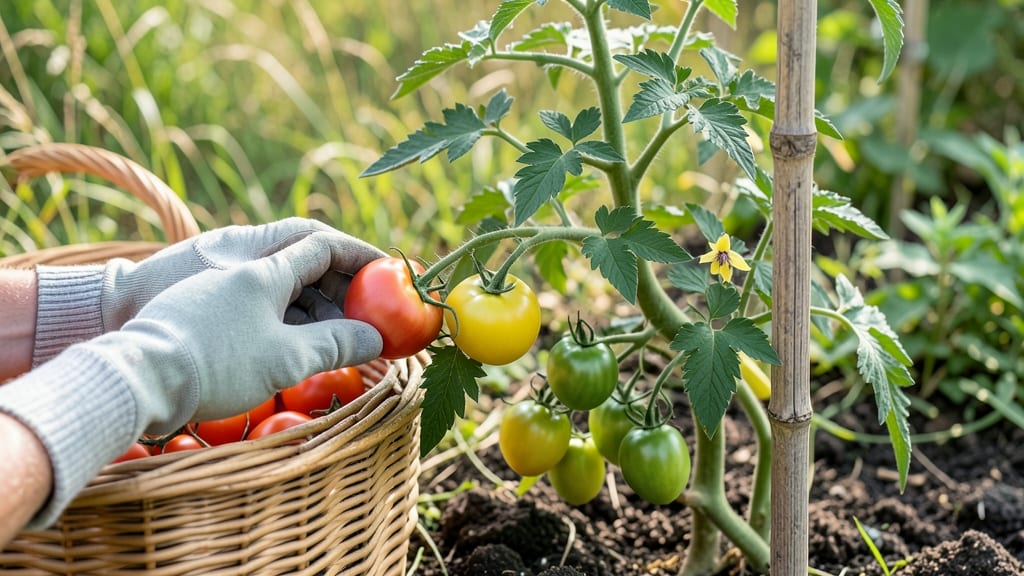
A tomato is ready to pick when its color deepens, size stabilizes, and a gentle squeeze yields just enough give 🍅—the moment that separates a good harvest from a great one.
Picture this: you’ve nurtured your plants all season, and now the question looms—how do you know it’s truly time? Miss the window, and you’re left with either hard, underripe fruit or overripe mush. Get it right, though, and you’re rewarded with tomatoes bursting with flavor that store-bought can’t match.
Color, size, and texture all play a role, but the real secret lies in understanding your tomato’s variety. Heirlooms and hybrids ripen differently, and knowing when to stop waiting (or when to pick early for indoor ripening) can mean the difference between a disappointing bite and a summer highlight.
In this guide, I’ll walk you through the color cues, size benchmarks, and the squeeze test that’ll have you harvesting like a pro. Plus, I’ll share my top tips for maximizing flavor—because nobody wants to miss out on that perfect, sun-ripened taste.


How to tell when tomatoes are ready to pick by color, size, and variety
Knowing when to harvest your tomatoes can feel like guessing—until you learn the key signs. The best tomatoes are picked at peak ripeness, which varies by color, size, and even variety.
For example, heirloom tomatoes like Brandywine may take longer to ripen than hybrids like Early Girl. Understanding these differences ensures you enjoy tomatoes at their juiciest and sweetest.
First, let’s tackle the most obvious clue: color. While red is the classic signal, many varieties ripen to yellow, orange, or even purple. However, color alone isn’t enough—you’ll also need to check size and texture.
A tomato that’s the right color but still small or hard likely needs more time on the vine. Meanwhile, a tomato that’s fully colored but still firm might not be ready yet.
Here’s a quick breakdown of what to look for across different tomato types:
| Variety Type | Color at Ripeness | Size Benchmark | Key Ripeness Cues |
|---|---|---|---|
| Heirloom (e.g., Brandywine, Cherokee Purple) | Deep red, purple, yellow, or orange | 2–4 inches in diameter | Full color, slight softness, stem end turns yellow |
| Hybrid (e.g., Celebrity, Early Girl) | Uniform red, pink, or yellow | 1.5–3 inches in diameter | Bright color, easy stem separation, slight give when squeezed |
| Cherry (Sweet 100, Sun Gold) | Red, orange, or yellow | 0.5–1 inch in diameter | Fully colored, soft to touch, stem pulls away easily |
| Green (e.g., Green Zebra, Tomato 'Green Grape') | Stays green or turns yellow-green | 1–2.5 inches in diameter | Firm but slightly soft, stem end may yellow |
Size is another critical factor, especially for determinate varieties (like Roma), which produce smaller, uniform tomatoes. These typically reach maturity in 50–60 days and should be harvested when they’re firm but not hard.
Indeterminate varieties (like Beefsteak), on the other hand, can take 70–90 days to ripen and grow much larger—up to 12 inches in diameter for some heirlooms.
Don’t overlook the stem end—this is where many gardeners miss the mark. A ripe tomato’s stem end will often turn yellow or soften slightly, signaling it’s time to pick. If the stem end remains green and firm, the tomato needs more time.
Pro tip: Gently twist the tomato while holding the vine—if it separates cleanly, it’s ready. If it resists, wait a few days.
For heirloom varieties, patience is key. These tomatoes often ripen more slowly and develop deeper flavors over time. In contrast, hybrid varieties like Better Boy or Big Beef ripen faster and are best picked when they’re fully colored and slightly soft.
Overripe tomatoes can become mealy or split, so timing is everything.
One common mistake is waiting too long for tomatoes to ripen on the vine, especially as fall approaches. If frost threatens, harvest green tomatoes and ripen them indoors using the paper bag trick (place them in a bag with a banana or apple to speed up ethylene production).
However, tomatoes ripened indoors won’t reach the same peak flavor as vine-ripened fruit.
Temperature also plays a role—tomatoes ripen best in warm conditions (70–85°F). If nights are cool, ripening slows down, and tomatoes may stay firm longer. Keep an eye on your plants and adjust your harvest schedule accordingly.
For example, in Zone 6a, where frost can hit as early as mid-October, you might need to harvest earlier to avoid losing your crop.
Finally, trust your senses. A ripe tomato should smell sweet and fragrant near the stem end. If it smells bland or sour, it’s not ready. And if you notice cracks or soft spots, it’s past its prime.
By combining color, size, and texture cues, you’ll master the art of picking tomatoes at their absolute best.
The squeeze test and other pro tips for picking perfect tomatoes
Every gardener knows the frustration of biting into a tomato that’s either rock-hard or mushy—both extremes mean you missed the perfect harvest window. The secret to tomato perfection lies in combining simple physical tests with an eye for environmental cues.
I’ve learned that temperature shifts, stem separation, and even the gentle squeeze test can tell you exactly when to pick, saving your crop from spoilage or bland flavor.
Don’t rely solely on color—some varieties like cherry tomatoes ripen differently than beefsteaks. I’ve seen green shoulders on red tomatoes that were actually ready, while others stayed stubbornly green until a cold snap forced my hand.
The key is understanding how your specific variety behaves under your local climate conditions. For example, heirlooms often need more time on the vine than hybrids.
⚠️ Warning: Overripe Tomatoes Happen Fast!
Tomatoes don’t stop ripening once picked—they continue softening at room temperature. If you wait too long, you’ll end up with mealy flesh and sugary overripeness. In hot climates (85°F+), tomatoes can go from perfect to sun-scalded in days. Always harvest when the stem slips easily—this is your best defense against cracking and rotting.
Start with the squeeze test, my go-to method for checking ripeness. Gently press a tomato with your thumb—if it gives slightly (like a ripe avocado) but doesn’t feel mushy, it’s ready. Hard tomatoes need more time, while overly soft ones should’ve been picked yesterday.
Pro tip: Compare multiple tomatoes on the same vine—they often ripen at different rates, so pick the softest ones first to encourage others to follow.
Pay attention to the stem separation trick. When a tomato is ripe, the stem should twist off with minimal force—this means the fruit’s cell structure has broken down naturally. If you’re forcing it off and the skin tears, you’ve waited too long.
I’ve also noticed that morning harvests yield the best results because cooler temps make the fruit firmer, reducing bruising during picking.
Watch for weather warnings like sudden temperature drops or forecasted rain, which can cause blossom-end rot or dilute flavor. In my zone 6a garden, I always harvest 24 hours before a cold front moves in—even if the tomatoes aren’t fully colored.
For heirloom varieties, this might mean picking green but mature fruit to ripen indoors, but hybrids usually ripen fully on the vine.
Common mistakes include picking tomatoes based on size alone (some stay small and sweet) or ignoring the color changes in the stem area. For example, yellow tomatoes should have a deep golden hue near the stem, not just on the surface.
And never store freshly picked tomatoes in the fridge—their flavor compounds degrade faster in cold temps. Keep them at room temperature (60-70°F) for maximum sweetness.
With these pro tips, you’ll never miss the peak ripeness window again. The combination of physical tests, environmental cues, and variety knowledge will transform your harvest from hit-or-miss to consistently delicious. Happy picking!