
Plants
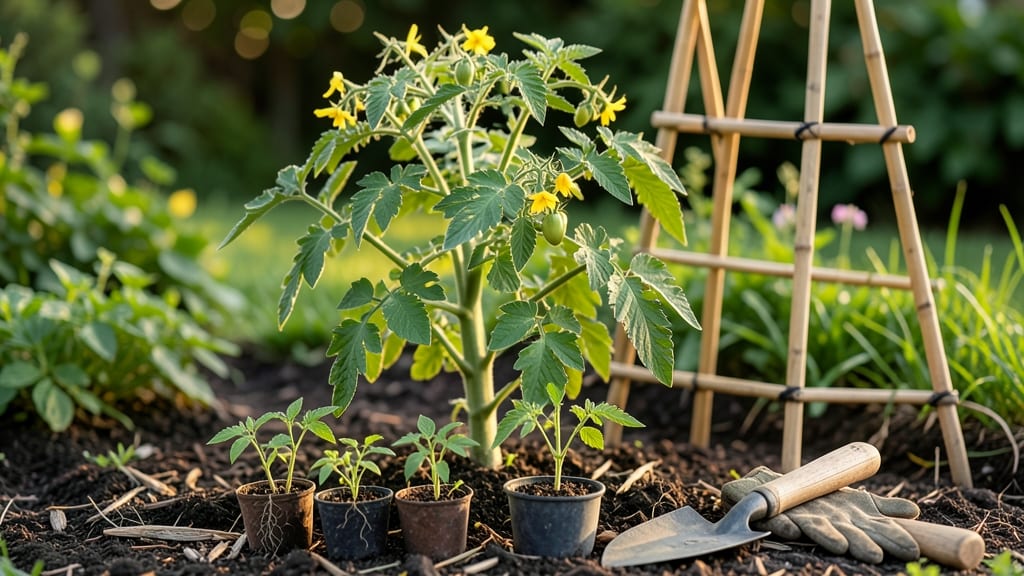
Planting tomato plants in Pennsylvania at the right time means the difference between a bountiful harvest and wasted effort — and with late frosts still possible into May, timing is everything.
Picture this: you’ve nurtured seedlings for weeks, only for a surprise frost to turn your 🍅 plants into crispy snacks. Or worse, you plant too late, and the summer heat arrives before your tomatoes ever set fruit. These are the risks when you guess instead of planning.
Pennsylvania’s climate varies wildly from the cooler Zone 5b mountains to the warmer Zone 7a valleys, so there’s no one-size-fits-all answer. But with the right dates, soil temperatures, and a few pro tips, you can stretch the season and avoid common pitfalls like transplant shock or blight.
In this guide, I’ll walk you through the exact planting windows by zone, how to adjust for early vs. late varieties, and 5 game-changing tricks to protect your plants—no matter what Pennsylvania throws at you.
Pennsylvania tomato planting dates by hardiness Zone (with frost-free calculator)
Timing your tomato planting in Pennsylvania can mean the difference between a bountiful harvest and wasted effort—get it wrong, and frost or heat stress can ruin your plants before they even fruit. Pennsylvania spans USDA hardiness zones 4a through 7b, each with its own ideal planting window.
The key is planting after the average last frost date when soil temperatures consistently reach 55°F or higher.
Most gardeners focus on frost dates, but soil temperature is equally critical—tomato seeds and seedlings won’t thrive below 55°F.
In cooler zones like 4a, you’ll need to start seeds indoors 8-10 weeks before your target transplant date, while warmer zones like 7b can handle direct sowing as early as mid-April. Always account for a 2-week buffer after transplanting to reduce shock.
To find your exact zone, use the USDA Plant Hardiness Zone Map (available at planthardiness.ars.usda.gov). Simply enter your ZIP code, and you’ll see your precise zone—this ensures you’re planting at the optimal time for your microclimate.
For example, Philadelphia (zone 7a) has a very different schedule than Erie (zone 5b).
For example, if you’re in zone 6a, your average last frost date is April 15, but you shouldn’t plant until April 20-30 to account for the 2-week buffer. Start seeds indoors around February 1 to give them enough time to mature before transplanting.
In zone 7b, you can plant as early as March 30 if soil temperatures are stable, but always verify with a soil thermometer.
Pro tip: Use black plastic mulch to warm soil faster in cooler zones. This can push your planting window 1-2 weeks earlier by raising soil temperatures by 5-10°F.
Just lay the mulch down 1-2 weeks before planting to let it heat up. Pair this with row covers for an extra layer of frost protection if late frosts
How to adjust planting for early vs late tomato varieties in PA
Pennsylvania’s short growing season demands smart planning when choosing tomato varieties. Fast-maturing types like ‘Early Girl’ (50-60 days) need early starts, while heirlooms like ‘Brandywine’ (80+ days) thrive with staggered plantings.
Zone 4b gardeners face extra challenges—late frosts can delay planting by 3-4 weeks compared to Zone 7a. The key? Match your variety’s days to maturity with your local frost-free window.
For early varieties, start seeds indoors 8-10 weeks before your last frost date. In Zone 5b, that means seed trays in mid-February for a May 15 transplant. Late varieties?
Plant directly outdoors in late May to early June—just as they’re hitting 55°F soil temps. This gives them time to mature before first frost in October.
Here’s how heat tolerance plays a role: ‘Solar Fire’ (60 days) handles PA’s 90°F+ summers better than ‘Cherokee Purple’ (85 days), which may blossom drop under stress.
In Zone 6a, I plant ‘Early Girl’ first (late April), then ‘Brandywine’ in early June for a staggered harvest from July through September.
Outdoors: Late April-Early May
Outdoors: Early May
In Zone 4b, I use row covers to extend the season for early varieties. Plant ‘Stupice’ (60 days) under cover in mid-April—the protection lets me harvest by late June before removing covers.
For late varieties, I prioritize dwarf types like ‘Tiny Tim’ (65 days) to avoid staking in windy PA gardens. The trade-off? Smaller fruit, but a reliable harvest before frost.
Pro tip: Use black plastic mulch to warm soil for late plantings. In Zone 7a, I plant ‘Brandywine’ on June 1 with mulch—this raises soil temps by 5-10°F, giving roots a head start.
Pair this with drip irrigation to prevent stress during PA’s humid summers, which can trigger early blight.
Remember: Pennsylvania’s 165-day frost-free window is tight. Balance variety maturity with your zone’s last frost date. In Zone 6b, I plant 3 varieties in 3-week intervals—early, mid, and late—to ensure tomatoes ripen before October frosts hit. This staggered approach maximizes your harvest potential. 🌱