
Plants
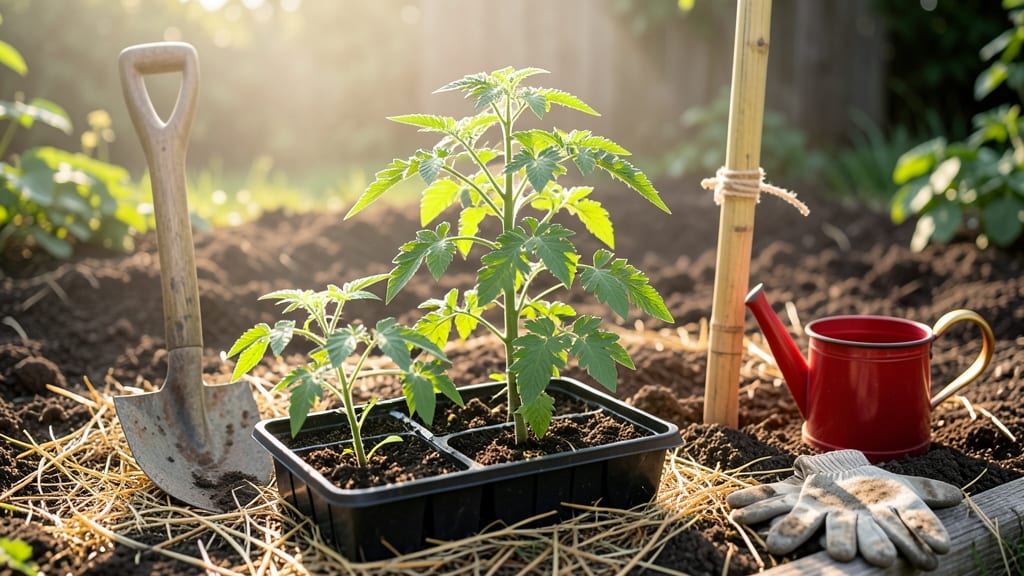
Planting tomato plants in Zone 5 at the right time ensures a bountiful harvest—and missing the window can leave you with stunted plants or no fruit at all.
Picture this: you’ve nurtured seedlings for weeks, only to watch them wilt overnight from a surprise frost. That’s why timing matters more than you might think—Zone 5’s last frost typically hits in mid-to-late May, but local microclimates can shift those dates by weeks.
In this guide, I’ll break down the exact dates for transplanting seedlings and direct sowing, plus how to adjust for early or late varieties. You’ll also learn how to prep your soil and care for your 🍅 plants once they’re in the ground.
Whether you’re a first-time gardener or a seasoned pro, these tips will help you avoid common pitfalls and maximize your harvest from July through September.
Zone 5 tomato planting dates: last frost timing and heat requirements
Planting tomatoes in Zone 5 requires precision—timing your transplant too early risks frost damage, while waiting too long cuts your harvest short. The last frost date (typically mid-to-late May) marks your starting point, but soil temperature is the real game-changer.
Tomatoes need 55°F+ soil to thrive, and cold soil can stunt growth or invite diseases like blossom-end rot.
To pinpoint your exact planting window, check the USDA Plant Hardiness Zone Map for your local microclimate. Urban areas often warm faster than rural spots, so adjust by 1-2 weeks if you’re near pavement or buildings.
For example, Chicago’s last frost averages May 10th, while Denver’s is closer to May 20th.
📅 Key Dates for Zone 5:
- Start seeds indoors: March 15–April 1 (6–8 weeks before last frost)
- Transplant seedlings: May 15–June 1 (after soil hits 55°F+)
- Direct sow (if preferred): May 20–June 10 (warmer soil reduces damping-off risk)
| Planting Method | Ideal Zone 5 Window | Soil Temp Requirement | Risks of Planting Too Early |
|---|---|---|---|
| Transplanting Seedlings | May 15–June 1 | 55°F+ (13°C+) | Frost damage, stunted growth, blossom-end rot |
| Direct Sowing | May 20–June 10 | 60°F+ (16°C+) | Slow germination, damping-off disease |
| Late Varieties (e.g., 'Celebrity') | June 1–15 | 55°F+ (13°C+) | Reduced yield, smaller fruit |
Early planting (before May 15th) exposes seedlings to late frosts, which can kill tender leaves or stunt growth. I’ve seen blossom-end rot flare up in cold, wet soil, ruining entire harvests.
To avoid this, use black plastic mulch to warm soil faster or opt for heat-loving varieties like 'Better Boy' or 'Early Girl'.
Late planting (after June 1st) shortens your growing season. Tomatoes need 70–90 days to mature, so planting after June 15th may only yield a few green tomatoes before frost.
For a second harvest, choose fast-maturing varieties (e.g., 'Patio' or 'Tiny Tim') and use row covers to extend the season.
Pro tip: Use a soil thermometer to confirm warmth. If temps dip below 55°F, delay planting or protect seedlings with cloches. I’ve also had success using straw mulch to insulate roots and keep soil warm longer.
For container gardening, plant 1–2 weeks later than in-ground tomatoes—containers cool faster. Place pots in south-facing spots and use self-watering systems to maintain moisture. In my Zone 5 garden, container tomatoes often ripen 10–14 days later than in-ground plants.
Remember: Heat waves in July can stress tomatoes, so prune suckers and provide afternoon shade if temps exceed 90°F. With the right timing and care, your Zone 5 tomato plants can produce bountiful harvests from July through September.
🌱
How to extend the tomato growing season in Zone 5: cold frames, row covers, and succession planting
Zone 5 gardeners face a tough challenge: short growing seasons that cut tomato harvests short. But with the right strategies, you can push your tomato plants to produce well into fall—or even start a second crop for an extended harvest.
The key lies in combining season-extending tools with smart succession planting techniques.
One of my favorite methods is using floating row covers to shield plants from late frosts while allowing sunlight and water to pass through. These lightweight fabrics can add 2-4 weeks to your growing season, giving your tomatoes more time to mature.
Pair this with black plastic mulch, which warms the soil and suppresses weeds, and you’ve got a powerhouse combo for late-season success.
For a second crop, focus on heat-tolerant varieties like 'Celebrity' or 'Better Boy'. These varieties thrive in warmer conditions and can handle the heat waves that often arrive in late summer.
Plant them in early July after your first harvest begins to ensure they have enough time to produce before the first frost.
- 🌱 Late May: Install cold frames or row covers over existing tomato plants to protect them from late frosts and extend harvest by 2-3 weeks.
- 🌡️ Early June: Apply black plastic mulch to warm soil and retain moisture, ideal for determinate varieties that produce fruit in clusters.
- ☀️ Mid-July: Transplant heat-tolerant seedlings (e.g., 'Celebrity') for a second crop, ensuring they receive 6+ hours of sun daily.
- 🌿 Late August: Use floating row covers to shield new growth from early fall chills, protecting blossoms and young fruit.
- ⏰ September: Harvest remaining tomatoes before the first frost (mid-October in Zone 5) and save seeds from your best performers for next year.
Another trick I swear by is succession planting. Instead of planting all your tomatoes at once, stagger your plantings every 2-3 weeks starting in early May. This ensures a continuous supply of fresh tomatoes throughout the season.
For example, plant your first batch in late May, followed by a second batch in early June, and a final batch in mid-July for a late harvest.
Don’t forget to monitor your soil temperature—tomatoes need soil that’s at least 55°F to germinate and grow properly. Use a soil thermometer to check before planting, and consider using straw mulch to keep the soil warm longer into the fall.
This simple step can make all the difference in extending your harvest.
With these techniques, you’ll turn your Zone 5 garden into a tomato powerhouse, enjoying fresh fruit well into the fall. The secret? A little planning, the right tools, and a willingness to experiment with different varieties and timing. Happy gardening! 🌱