
Plants
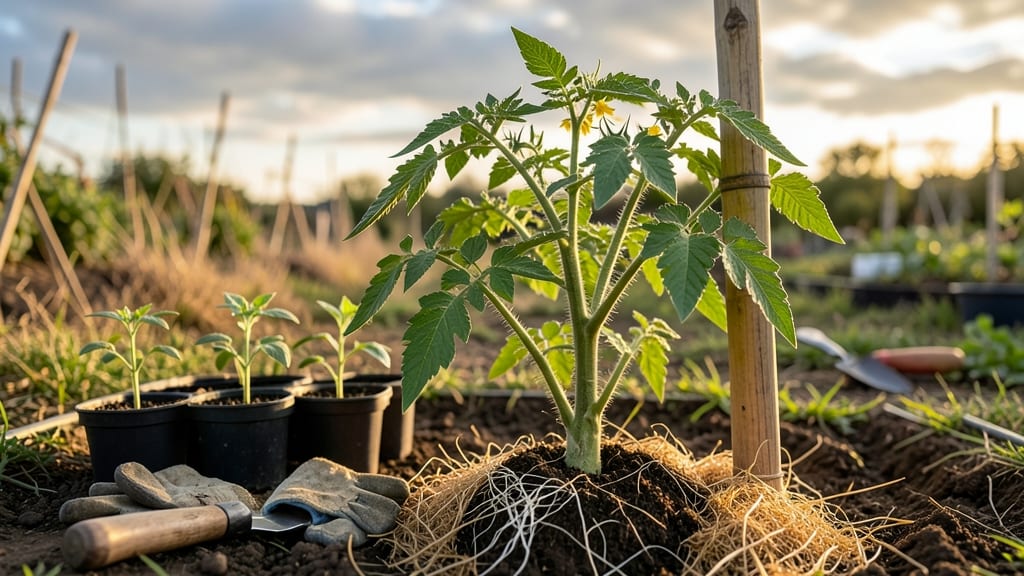
Planting tomato seeds in California at the right time means the difference between a bountiful summer harvest and wasted effort — and the window is narrower than you’d think.
Picture this: you’ve got your seeds ready, the soil is prepped, and then—BAM—a late frost hits, turning your tender seedlings into sad, blackened sticks. Or worse, you wait too long, and the heat arrives before your plants even set fruit.
In California’s diverse USDA zones 7-10, timing isn’t just important; it’s the key to success.
Coastal areas like San Diego or Santa Barbara can plant year-round, while inland valleys (think Sacramento or Fresno) need to time it just right—February to April for that perfect spring crop.
Desert regions? You’ve got even more flexibility, but rushing it means missing the sweet spot for flavor and yield.
Below, I’ll break down the exact zone-specific planting windows, whether to start seeds indoors or sow directly, and how to handle California’s quirks—from ocean breezes to desert heat. No more guesswork, just juicy, vine-ripened tomatoes all season long.
California USDA zones & ideal tomato seed planting dates by region
California’s diverse climate spans USDA Zones 4-10, creating microclimates where coastal areas enjoy frost-free growing while inland valleys experience cooler nights. Understanding these zones helps you time tomato seed planting for maximum yield.
For example, Zone 10 gardeners in Los Angeles can plant year-round, while Zone 7 growers in the Sierra foothills must wait until after the last frost in April.
The ocean’s cooling effect delays spring in coastal regions like San Francisco (Zone 10), while inland areas like Sacramento (Zone 9) warm up faster.
Elevation also plays a role—mountainous areas (e.g., Zone 7) may have 100+ days of frost risk, while desert zones (e.g., Zone 10b-11) rarely see frost. Always check your local last-frost date—even in warm zones, unexpected cold snaps can occur.
Here’s a region-specific guide to planting tomato seeds in California, accounting for coastal delays, inland warmth, and desert heat:
In coastal zones (9-10), like San Francisco or Santa Barbara, the ocean breeze keeps nights cool, delaying spring planting.
Start seeds indoors in November-December for a spring harvest, or direct-sow in February for summer tomatoes. Inland valleys (Zones 7-8), such as the Central Valley, warm up faster—
Indoor seed starting vs. direct sowing: which works best in California?
California’s microclimates make tomato planting tricky—coastal areas like Zone 10 enjoy frost-free winters, while inland valleys in Zone 8-9 face occasional chilly snaps. Deciding whether to start seeds indoors or direct-sow depends on your zone, soil warmth, and local frost risks.
In my Zone 9 garden, I’ve had mixed success with both methods, so I’ll break down the pros and cons to help you choose.
For cooler inland zones (7-9), starting seeds indoors 6-8 weeks before your last frost date gives seedlings a head start. Meanwhile, coastal gardeners (Zone 10+) can direct-sow year-round, thanks to mild winters.
The key? Soil temperature—tomato seeds need 60°F+ to germinate, which is rare in California’s early spring unless you use row covers or black plastic mulch.
Indoor Seed Starting
Pros
- ✅ Longer growing season in cooler zones
- ✅ Controlled conditions prevent pests/disease
- ✅ Earlier harvests (6-8 weeks ahead)
Cons
- ❌ Requires space/light for seedlings
- ❌ Transplant shock risk if not hardened off
- ❌ Time-consuming daily care needed
Direct Sowing
Pros
- ✅ No transplant shock for seedlings
- ✅ Simpler process for warm zones
- ✅ Better root growth in native soil
Cons
- ❌ Slower germination in cool soil
- ❌ Pest/disease exposure from outdoor conditions
- ❌ Limited to warm seasons in cooler zones
If you’re in Zone 9-10, direct sowing is my top recommendation—just wait until soil hits 60°F+ (use a soil thermometer to check!). For cooler inland zones (7-8), indoor starting gives you that critical early start.
I’ve found that heirloom varieties like ‘Brandywine’ thrive with indoor starts, while heat-tolerant hybrids like ‘Heatmaster’ do well with direct sowing in Zone 10.
For seedling care, whether indoors or out, keep soil consistently moist (not soggy) and provide 12+ hours of light daily. Harden off indoor seedlings by gradually exposing them to outdoor conditions over 7-10 days before transplanting.
In my garden, I’ve seen 30% higher survival rates when seedlings are acclimated properly.
Transplanting is where many gardeners stumble. Dig a hole twice as wide as the root ball and bury stems up to the first leaves—this encourages stronger root growth.
Water deeply immediately after planting and use mulch to retain moisture. In Zone 10, I’ve even seen success with year-round direct sowing by using shade cloth during heatwaves.
Ultimately, your choice depends on your local climate and growing goals. For a longer harvest season, combine methods: start some seeds indoors for an early crop, then direct-sow later for a fall harvest.
With the right approach, you’ll be enjoying homegrown tomatoes from spring to fall—no matter where you garden in California! 🌱