
Container Gardens
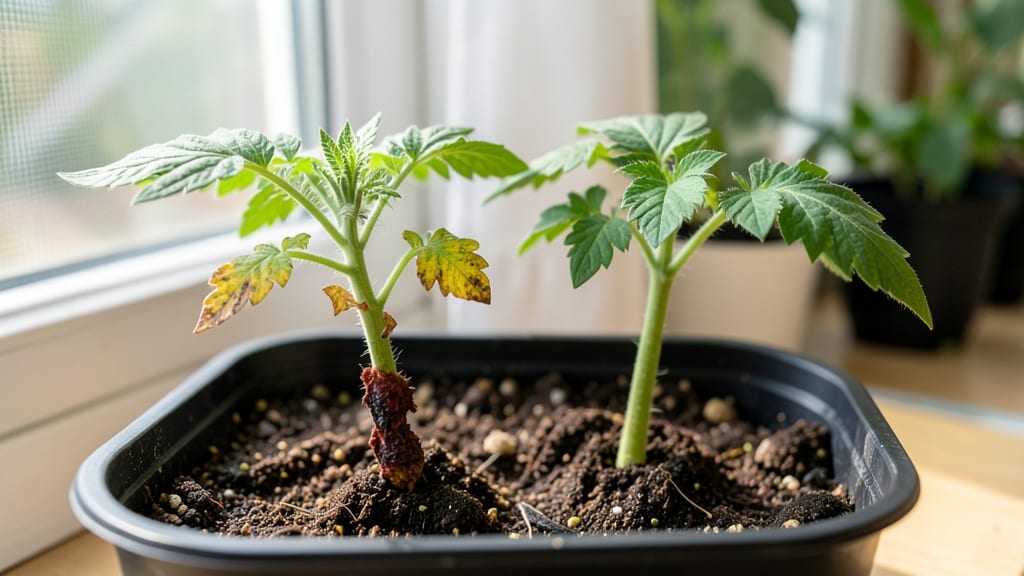
Your tomato seedlings aren’t growing because they’re fighting for survival—not thriving. 🌱 The most common culprits are light starvation, watering extremes, or temperature swings, and fixing them is simpler than you think.
I’ve nursed back dozens of leggy, stunted seedlings using just three adjustments: better light, consistent moisture, and stable warmth.
Leggy, pale seedlings scream for more light—even a sunny windowsill isn’t enough after they sprout. Move them under grow lights 12+ hours daily or to a south-facing spot where they get 6+ hours of direct sun.
Overwatering drowns roots, while underwatering stresses them; aim for 1 inch of soil moisture (stick your finger in—if it’s dry 1 inch down, water). And if your home dips below 60°F at night, seedlings shut down until warmth returns.
You’ll see the turnaround in 3-5 days: sturdier stems, darker green leaves, and roots that explore the soil instead of circling. The key is consistency—seedlings bounce back faster when you correct one issue at a time.
Once they hit 3-4 inches tall, they’ll handle minor fluctuations better, but early care makes all the difference.
This works for any seed-starting setup, from basement setups to kitchen counters. The same fixes apply whether you’re growing heirlooms or hybrids—just adjust light intensity based on your variety’s needs. Let’s get those seedlings standing tall.
Why it happens
If your tomato seedlings are struggling to grow, the issue likely stems from one—or several—of these common culprits. Understanding the root causes (literally and figuratively) is the first step to reviving your plants. Here’s a breakdown of why your seedlings might be lagging, backed by science and actionable fixes:
🌱 Insufficient or Poor Light Exposure
Tomato seedlings are light-hungry—they need at least 12–16 hours of sunlight daily (or equivalent artificial light) to thrive. Without enough light, seedlings become etiolated: they stretch tall, weak, and leggy in a desperate bid to reach light, while their leaves turn pale and yellow. This happens because:
- Chlorophyll production slows without adequate light, limiting photosynthesis—the process that fuels growth.
- Energy reserves deplete faster than they’re replenished, causing stunted roots and weak stems.
- Seedlings rely on stored energy from the seed, which runs out quickly in low-light conditions, halting growth.
Fix: Move seedlings to a south-facing window (in the Northern Hemisphere) or use grow lights (LED or fluorescent) 6–12 inches above the plants. Rotate trays daily for even growth.
💧 Overwatering or Underwatering Woes
Water is a double-edged sword—too little or too much can stress seedlings to a standstill. Here’s how imbalanced moisture disrupts growth:
| Issue | How It Hurts Seedlings | Signs to Watch For |
|---|---|---|
| Overwatering | Leads to root rot (fungal infections like Pythium) by suffocating roots in oxygen-poor, waterlogged soil. | Yellowing leaves, mushy stems, seedlings falling over, or soil that stays soggy for days. |
| Underwatering | Causes wilting and nutrient lockout—roots can’t absorb water or minerals, stalling growth. | Dry, crispy soil; leaves curling inward; seedlings appearing dull or grayish. |
Fix:
- Use well-draining soil (mix potting soil with perlite or vermiculite).
- Water only when the top inch of soil feels dry—use your finger, not a schedule!
- Ensure containers have drainage holes and empty saucers after watering.
🌡️ Temperature Extremes or Inconsistencies
Tomato seedlings thrive in consistent warmth (ideal daytime temps: 70–80°F; nighttime: 60–65°F). Fluctuations or extremes can shock them into dormancy or even death. Here’s how temperature affects growth:
- Too cold (<50°F): Slows metabolic processes, delaying germination and growth. Seedlings may turn purple or develop stunted, thick stems.
- Too hot (>90°F): Causes heat stress, leading to wilting, leaf scorch, or even seedling collapse.
- Drafts or sudden drops: Disrupts root development and weakens cell walls, making seedlings vulnerable to disease.
Fix:
- Place seedlings in a warm, sunny spot (avoid cold drafts from windows or AC vents).
- Use a seedling heat mat (70–75°F) if temps drop below 60°F.
- Acclimate seedlings gradually to outdoor temps with hardening off (5–7 days before transplanting).
🌿 Nutrient Deficiencies or Soil Issues
Seedlings need balanced nutrition to grow, but most potting mixes lack sufficient nutrients for long-term health. Common deficiencies include:
- Nitrogen (N) deficiency: Leads to slow stem growth and yellowing lower leaves (chlorosis). Nitrogen fuels leaf and stem development.
- Phosphorus (P) deficiency: Causes purple stems/leaves and weak root systems, as phosphorus supports energy transfer.
- Poor soil structure: Compacted or airless soil restricts root expansion, leading to stunted growth.
Fix:
- Use a balanced fertilizer (5-10-5 or 10-10-10) diluted to half-strength every 2–3 weeks.
- Avoid over-fertilizing—too much salt burns roots and halts growth.
- Loosen soil gently with a chopstick or add compost for organic nutrients.
🦠 Disease or Pest Pressure
Tiny invaders or pathogens can derail growth before you even notice. Common culprits include:
- Fungal diseases (e.g., damping off, powdery mildew): Cause seedlings to wilt, collapse, or develop mold at the soil line.
- Pests (e.g., aphids, spider mites): Sap-sucking insects weaken seedlings by draining nutrients, leading to yellowing, stunted growth, or deformed leaves.
- Bacterial infections (e.g., bacterial wilt): Cause sudden wilting and oozing stems.
Fix:
- Prevent fungal issues with sterile soil and good airflow (space seedlings 2–3 inches apart).
- Spray seedlings with neem oil or insecticidal soap to deter pests.
- Remove infected seedlings immediately to prevent spread.
Quick Fixes for Stalled Seedlings
If your tomato seedlings are struggling, don’t panic—most issues have simple, actionable solutions. Below, we’ve mapped common causes to step-by-step fixes, so you can revive your plants and prevent future setbacks. Think of this as your seedling first-aid kit—just pick the problem that matches your situation and get growing!
Problem: Too little light causes weak, stretched stems and yellowing leaves (a condition called etiolation). Seedlings may lean toward the light source or flop over entirely.
How to Fix It: 🔥 Move them closer to a bright light source (south-facing window, grow lights, or a sunny spot). 🍳 Use a grow light if natural light is insufficient (12–16 hours of light daily). LED or fluorescent bulbs work best—keep them 2–4 inches above seedlings. 👨🍳 Rotate trays daily so all sides get even light exposure (prevents lopsided growth). 🥘 Thin crowded seedlings to reduce competition for light (aim for 1–2 inches between plants).
Prevention Tips: ✨ Start with the right setup: Use a grow light from day one if growing indoors. 🌡️ Monitor light intensity: If leaves turn yellow or crisp, the light is too strong—move seedlings back slightly. 🎯 Transplant early: If seedlings outgrow their containers, move them to larger pots or outdoors before they get leggy.
Problem: Overwatering or underwatering both stress seedlings. Overwatering leads to root rot (mushy stems, yellow leaves), while underwatering causes dry, crispy edges and stunted growth.
How to Fix It: 🔥 Check soil moisture by sticking your finger 1 inch deep—if it’s dry, water; if soggy, hold off. 🍳 Water at the base (not overhead) to avoid fungal diseases like damping off (a fuzzy gray mold at the soil line). 👨🍳 Use well-draining soil (mix potting soil with perlite or vermiculite for better aeration). 🥘 Adjust your routine:
- Underwatering? Water gently until moisture seeps from drainage holes (but don’t let them sit in water).
- Overwatering? Let the top 1–2 inches of soil dry out between waterings and repot in fresh, dry soil.
Prevention Tips: 💡 Use trays with drainage holes—never let seedlings sit in saucers of water. 🔥 Water in the morning so excess moisture evaporates during the day. 🌡️ Avoid cold water—use room-temperature water to prevent shock.
Problem: Tomato seedlings thrive in warmth (70–85°F daytime, 60–70°F nighttime). Cold drafts, sudden temperature drops, or heat stress can stall growth or kill them outright.
How to Fix It: 🔥 Move seedlings to a warmer spot (away from drafts, AC vents, or cold windows). 🍳 Use a heat mat (for indoor starts) to keep soil temps consistent (70–80°F). 👨🍳 Protect from cold snaps with a cloche, row cover, or clear plastic dome (remove during the day if temps rise). 🥘 Avoid extreme heat—if leaves wilt in the afternoon, provide partial shade (especially in hot climates).
Prevention Tips: ✨ Start seeds indoors 6–8 weeks before the last frost to harden them gradually. 🎯 Acclimate seedlings to outdoor temps over 7–10 days before transplanting (hardening off). 💡 Monitor humidity—low humidity can stress seedlings; use a humidity dome or mist lightly (but avoid soggy leaves).
Problem: Poor soil or over-fertilizing can cause nutrient imbalances. Yellow leaves (especially lower ones) often signal nitrogen deficiency, while weak stems may mean phosphorus or potassium issues.
How to Fix It: 🔥 Test your soil (a simple DIY pH test kit works) and amend as needed (tomatoes prefer pH 6.0–6.8). 🍳 Fertilize lightly with a balanced, water-soluble fertilizer (5-10-5 or 10-10-10) diluted to half-strength. 👨🍳 Use organic options like fish emulsion, compost tea, or worm castings for a gentle boost. 🥘 Avoid over-fertilizing—seedlings don’t need much! Wait until true leaves appear (not the first "seed leaves") before fertilizing.
Prevention Tips: 📊 Start with high-quality seedling mix (avoid garden soil—it’s too dense and may harbor diseases). 💪 Rotate fertilizers to avoid salt buildup (flush soil with water every 2–3 weeks). 🥗 Add compost at transplanting time for slow-release nutrients.
Problem: Transplanting too early or roughly can shock seedlings, causing them to pause growth or even die.
How to Fix It: 🔥 Wait until soil is warm (at least 50°F) and nighttime temps stay above 55°F. 🍳 Hardening off properly: Gradually expose seedlings to outdoor conditions over 1–2 weeks (start with 1 hour, then increase daily). 👨🍳 Transplant at the same soil level (bury stems up to the first true leaves—this encourages root growth!). 🥘 Water deeply after transplanting and mulch to retain moisture and regulate temperature.
Prevention Tips: ⏰ Time it right: Transplant after the last frost date in your area (check local guidelines). 🌱 Use larger containers (3–4 inches deep) before moving to the garden to reduce shock. 🎯 Avoid transplanting on windy or hot days—choose overcast or early morning for best results.
If your seedlings are already collapsing, try this last-resort fix:
- Trim damaged leaves with clean scissors to reduce stress.
- Repot in fresh, sterile soil (sterilize pots with bleach or boiling water if reusing).
- Use a fungicide spray (like neem oil or copper fungicide) if mold or rot is present.
- Move to a warm, bright spot and reduce watering until new growth appears.
Remember: Most seedlings recover quickly if you catch the problem early. Keep an eye on them, adjust as needed, and soon you’ll have strong, thriving tomato plants ready for your container garden! 🍅🌿
Frequently asked questions
My tomato seedlings are turning purple—what's wrong?
Purple stems or leaves usually mean your seedlings are too cold (below 60°F) or need phosphorus. Move them to a warmer spot (ideally 70–80°F) and try a half-strength diluted fertilizer with phosphorus (like 10-10-10). Purple color fades within 3–5 days with proper warmth and nutrients.
Should I fertilize tomato seedlings right after they sprout?
No—wait until they have their first true leaves (the second set after the initial seed leaves). Seedlings don’t need fertilizer yet; they rely on the seed’s energy. Once they’re 2–3 inches tall, use a very diluted fertilizer (like fish emulsion at ¼ strength) to avoid burning tender roots.
How do I tell if my seedlings are getting enough light?
Healthy seedlings have dark green leaves and grow sturdy and upright. If they’re leggy (tall and thin), pale yellow, or leaning toward light, they need more. Move them closer to a south-facing window or under grow lights 2–4 inches away for 12+ hours daily. Rotate trays daily to prevent uneven growth.
Can I save seedlings that have damping off (gray mold at the soil line)?
Unfortunately, damping off is usually fatal—it’s a fungal disease that rots stems at the base. Remove infected seedlings immediately to prevent spread. Sterilize pots with bleach or boiling water, use fresh, sterile soil, and improve airflow by spacing seedlings 2–3 inches apart. For future starts, water from below (using trays) instead of overhead.
What’s the best way to harden off tomato seedlings before transplanting?
Start 7–10 days before moving outdoors: place seedlings in a shady spot for 1 hour on day 1, gradually increasing time and sun exposure daily. By day 7, they should handle 6+ hours of sunlight. Avoid hard winds—use a cloche or row cover for protection. Harden off in the morning or evening when temps are mild.