
Planting
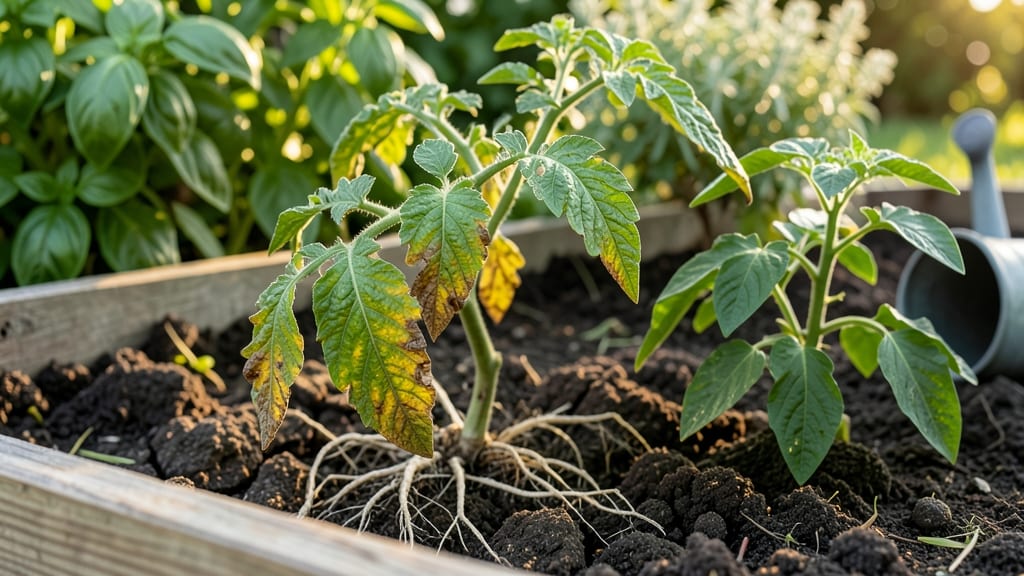
Your tomato plants are drooping, but they’re not dead yet—revitalizing wilty vines starts with a quick check of three key areas. 🌱 I’ve nursed back more than my share of limp tomatoes, and the fix almost always comes down to water, roots, or hidden stress.
The good news? Most cases turn around in 24-48 hours with the right tweaks.
First, rule out the obvious: overwatering (soggy soil) or underwatering (dry, cracked earth). Stick your finger an inch deep—if it’s damp, hold off on watering; if it’s bone-dry, give them a deep drink.
Then check the roots: gently pull one plant to see if roots are mushy (rot) or dry (thirst). Pests like aphids or blight can also sneak in, so inspect leaves for sticky residue or spots.
Once you’ve pinpointed the issue, act fast. Overwatered? Improve drainage and trim damaged roots. Underwatered? Water at the base, not the leaves, and mulch to lock in moisture. Pests or disease? Prune infected parts and treat with neem oil or copper fungicide.
Within days, you’ll see firmer stems and perky leaves—proof the plant’s fighting back.
Prevent future wilting by spacing plants for airflow, watering consistently, and rotating crops every few years. If the problem persists after a week, it might be time for expert help—but in my experience, 90% of wilty tomatoes bounce back with these simple steps. Let’s get those vines standing tall again!
Root Causes Of Sagging Tomatoes
Understanding why your tomato plants suddenly look like overcooked noodles 🍝 starts with digging deeper—literally. Wilting isn’t just a sign of thirst; it’s your plant’s SOS for a specific problem. Let’s break down the science behind the droop and what’s really making your vines throw in the towel.
Tomatoes hate soggy feet—just like you’d avoid wearing wet socks all day. When soil stays too damp, roots suffocate from a lack of oxygen, a condition called root rot.
Fungal pathogens like Phytophthora or Pythium thrive in waterlogged soil, gnawing away at roots until they can no longer absorb water or nutrients.
How to spot it:
- Yellowing leaves (even when soil is wet)
- Black, mushy roots if you dig a sample
- Wilting that doesn’t improve after watering
Why it happens:
- Overzealous watering (especially overhead)
- Compacted or clay-heavy soil that doesn’t drain
- Containers without drainage holes
Quick fix: Let the top 1–2 inches of soil dry out between waterings, and amend heavy soil with perlite or compost to improve aeration.
Tomatoes are 95% water by weight—skimp on hydration, and they’ll wilt faster than a snowman in July. But heatwaves make it worse. When temperatures soar above 85°F (29°C), plants transpire (lose water) at lightning speed, causing physiological wilting—even if the soil has moisture.
How to spot it:
- Leaves feel dry and crispy to the touch
- Soil pulls away from pot edges (if potted)
- Wilting happens during the hottest part of the day
Why it happens:
- Inconsistent watering (e.g., forgetting midweek)
- Shallow root systems in young plants
- Lack of mulch to retain soil moisture
Quick fix: Water deeply in the early morning (before 10 AM) and mulch with straw or wood chips to lock in moisture. For container tomatoes, use self-watering pots or drip irrigation.
Physical trauma or pathogens can sever roots, disrupting the plant’s ability to drink up water. Common culprits include:
- Root-knot nematodes (microscopic worms that create galls on roots)
- Verticillium or Fusarium wilt (fungal diseases that clog xylem vessels)
- Mechanical damage (e.g., rough handling during transplanting)
How to spot it:
- Wilting that spreads upward from the bottom
- Stunted growth despite regular watering
- Roots that look gnarled, discolored, or missing chunks
Why it happens:
- Reusing contaminated soil or pots
- Planting too deep (buried stems rot)
- Poor soil health (low organic matter = weak roots)
Quick fix: For nematodes, solarize soil (cover with clear plastic for 4–6 weeks) or rotate crops. For fungal wilt, remove infected plants immediately and disinfect tools with 70% alcohol.
Tomatoes are heavy feeders, and a lack of key nutrients can weaken their vascular system, leading to wilting. Potassium (K) and calcium (Ca) are critical for root function and water regulation. Without them, roots struggle to absorb moisture, even in wet soil.
How to spot it:
- Potassium deficiency: Yellowing leaf edges (but green veins)
- Calcium deficiency: Blossom-end rot (on fruits) and wilting
- Nitrogen deficiency: Pale, stunted leaves
Why it happens:
- Over-fertilizing with nitrogen (burns roots)
- Poor soil testing (most garden soils lack potassium)
- Sudden temperature swings (stresses nutrient uptake)
Quick fix: Feed with a balanced fertilizer (10-10-10 or 5-10-10) at planting, then switch to a low-nitrogen, high-potassium formula (like 0-0-50) when fruits set. Add crushed eggshells or kelp meal for calcium.
Even the toughest tomato plants can’t handle extreme conditions. Sudden wind, hail, or temperature drops can cause osmotic stress, where cells lose turgor pressure (think of a balloon losing air).
Shade cloth or row covers can also trick plants into growing leggy and weak, making them more prone to wilting.
How to spot it:
- Wilting that happens after a storm or heatwave
- Leaves that look scorched or torn
- Plants that recover by evening (if heat-related)
Why it happens:
- Lack of afternoon shade in hot climates
- Transplant shock (moving plants without acclimating)
- Salt buildup in soil from tap water or fertilizers
Quick fix: Provide 30–50% shade during peak heat (use shade cloth or a temporary trellis). Water with rainwater or filtered water to avoid salt damage, and acclimate young plants to outdoor conditions over 7–10 days before transplanting.
Pro Tip: 💡 Before diagnosing, check the soil moisture 2 inches down—if it’s dry, water first. If it’s soggy, hold off and inspect roots for rot or pests.
Revive your tomato plants fast
A drooping tomato plant doesn’t mean the end of your harvest—it’s often a temporary setback with a quick fix. Whether your plants are wilting from thirst, stress, or disease, these targeted solutions will help you revive them and get back to juicy, vine-ripened tomatoes in no time.
Below, we break down the most common causes and the easiest, most effective fixes to turn those sad, limp vines into thriving producers.
Tomatoes are thirsty plants, but too much (or too little) water can cause wilting. The key is balance—moisture without soggy roots.
🔥 Signs:
- Soil feels dry 1–2 inches deep (underwatering).
- Yellowing leaves, mushy stems, or foul smells (overwatering).
- Wilting that worsens in the afternoon (heat stress from lack of water).
🍳 How to Fix It:
- Check the soil – Stick your finger 1–2 inches into the soil. If it’s dry, water deeply until it drains from the bottom. If it’s soggy, hold off on watering and improve drainage.
- Water at the base – Avoid overhead watering (especially in the evening) to prevent fungal diseases. Use a drip irrigation system or watering can for slow, deep soaks.
- Mulch like a pro – Spread 2–3 inches of organic mulch (straw, wood chips) around the base to retain moisture and regulate soil temperature. 🌡️
- Adjust your schedule – Water in the early morning (before 10 AM) to give leaves time to dry.
Aim for 1–1.5 inches of water per week, including rainfall.
💡 Prevention Tips:
- Group plants together to create a microclimate that holds moisture.
- Use self-watering pots if container gardening to maintain consistency.
- Monitor weather forecasts—increase watering during heatwaves but reduce if rain is forecasted.
Tomatoes wilt when they’re overheated, especially in scorching afternoons. Even drought-resistant varieties can struggle if the heat isn’t managed.
🔥 Signs:
- Wilting that recovers overnight but returns during the day.
- Leaves curl or turn yellow at the edges.
- Soil may feel dry, but the plant looks thirsty even after watering.
👨🍳 How to Fix It:
- Provide afternoon shade – Use shade cloth (30–50%) or a temporary shade tarp to block intense midday sun.
Even a white sheet draped over a trellis helps! 🏖️ 2. Prune for airflow – Trim lower leaves to improve circulation and reduce heat buildup near the soil. 3. Use reflective mulch – Lay down white plastic mulch or light-colored gravel to reflect sunlight and cool the roots.
- Harvest early – Pick tomatoes when they’re firm but not fully ripe and ripen indoors to reduce stress on the plant.
💡 Prevention Tips:
- Plant in late spring (after the last frost) to avoid early-season heat spikes.
- Choose heat-tolerant varieties like ‘Solar Fire,’ ‘Heatmaster,’ or ‘Arkansas Traveler.’
- Mist leaves lightly in extreme heat (early morning only to avoid fungal issues).
Wilting can signal that your tomatoes aren’t getting the right nutrients or are struggling in compacted, nutrient-poor soil.
🔥 Signs:
- Yellowing leaves (nitrogen deficiency) or purple stems (phosphorus deficiency).
- Slow growth despite regular watering.
- Soil feels hard or cracks when dry.
🥘 How to Fix It:
- Test your soil – A simple DIY soil test kit (or send a sample to your local extension office) will reveal pH and nutrient levels. Tomatoes thrive in pH 6.0–6.8.
- Amend the soil – - For clay soil: Mix in compost, perlite, or coconut coir to improve drainage. - For sandy soil: Add aged manure or worm castings to retain moisture and nutrients.
- Fertilize smartly – - Use a balanced fertilizer (10-10-10) when planting. - Switch to a low-nitrogen, high-phosphorus fertilizer (5-10-10) when flowers appear. - Avoid over-fertilizing—this can burn roots and cause more stress.
- Top-dress with compost – Sprinkle a 1-inch layer of compost around the base (not touching the stem) every 4–6 weeks.
💡 Prevention Tips:
- Rotate crops – Don’t plant tomatoes in the same spot year after year to prevent nutrient depletion.
- Use organic matter like leaf mold or composted grass clippings to enrich soil naturally.
- Avoid fresh manure—it can burn plants; opt for well-aged compost instead.
Wilting can be a sign of root damage, fungal infections, or pest infestations like aphids, spider mites, or nematodes.
🔥 Signs:
- Sticky residue on leaves (aphids).
- Webbing or tiny dots on undersides (spider mites).
- Mushy stems or black spots (fungal diseases like early blight or Fusarium wilt).
- Galling or stunted roots (nematodes).
🔪 How to Fix It: 1. Identify the problem –
- Pests: Check leaves and stems for bugs or eggs.
- Fungi: Look for dark spots, powdery mildew, or wilting that spreads upward.
- Nematodes: Roots may look knobby or rotted.
- Treat pests naturally – - Neem oil spray (mix 1 tbsp neem oil + 1 tsp mild soap + 1 quart water; spray undersides of leaves). - Insecticidal soap for aphids and mites. - Introduce beneficial insects like ladybugs or lacewings.
- Combat fungal diseases – - Remove infected leaves and destroy them (don’t compost). - Apply copper fungicide or baking soda spray (1 tbsp baking soda + 1 quart water + a few drops of soap). - Space plants properly (18–24 inches apart) for airflow.
- Fix nematode damage – - Solarize the soil (cover with clear plastic for 4–6 weeks in hot sun to kill nematodes). - Plant marigolds as a trap crop before tomatoes. - Use resistant varieties like ‘Nematex’ or ‘Mountain Merit.’
💡 Prevention Tips:
- Rotate crops to break pest/disease cycles.
- Clean tools with rubbing alcohol between plants to avoid spreading pathogens.
- Water at the base to keep foliage dry and discourage fungi.
If your tomato plant wilted right after transplanting, it’s likely suffering from root disturbance or shock.
🔥 Signs:
- Wilting within 1–3 days of moving the plant.
- Leaves turn yellow or brown at the edges.
- Slow recovery even after watering.
🍅 How to Fix It:
- Give it time – Most plants recover in 3–7 days if roots aren’t severely damaged.
- Water deeply – Keep soil consistently moist (not soggy) for the first week.
- Use a root stimulator – Mix hydroponic nutrient solution or compost tea into the water to encourage root growth.
- Avoid fertilizing yet – Wait 2 weeks before adding fertilizer to let roots recover.
💡 Prevention Tips:
- Hardening off seedlings – Acclimate young plants to outdoor conditions 7–10 days before transplanting.
- Transplant on a cloudy day to reduce stress.
- Dig a deep hole (twice as wide as the root ball) to encourage roots to spread.
- Prune regularly – Remove suckers and lower leaves
Frequently asked questions
Why do my tomato plants wilt even when the soil feels moist?
This usually signals root rot or nutrient stress. Check for black, mushy roots (root rot) or yellowing leaves with green veins (potassium deficiency). Overwatering or compacted soil prevents roots from absorbing oxygen or nutrients, causing wilting despite damp soil. Let the top 1-2 inches dry between waterings and amend soil with compost or perlite.
Can I save a tomato plant that's completely limp and mushy?
It depends! If the stems are soft and black (root rot), prune away the damaged parts and repot in fresh, well-draining soil. For severe cases, you may need to start over. If wilting is from thirst, water deeply at the base and provide shade. Most plants recover in 24-48 hours if the roots are still intact—just act fast!
What's the difference between wilting from heat and wilting from thirst?
Heat wilting happens during the day but recovers overnight, while thirst wilting persists. Check soil moisture 2 inches deep—if dry, water deeply. For heat stress, provide afternoon shade and mulch to retain moisture. A simple test: if leaves feel crispy but soil is moist, it's heat; if soil is dry, it's thirst.
Will pruning help a wilty tomato plant recover?
Yes! Prune away lower leaves to improve airflow and reduce fungal risk. Remove any yellow or diseased leaves immediately. Focus on keeping the plant's energy on new growth—trim suckers (side shoots) and dead branches. This helps the plant redirect resources to recovery. Just avoid heavy pruning during extreme heat!
How long should I wait before giving up on a wilty tomato plant?
Give it 3-5 days of proper care before deciding. If the plant shows no improvement after consistent watering, shade, and treatment (like neem oil for pests), it may be too far gone. However, most cases recover within 48 hours with the right adjustments. Trust the process—tomatoes are resilient!