
Companion Plants
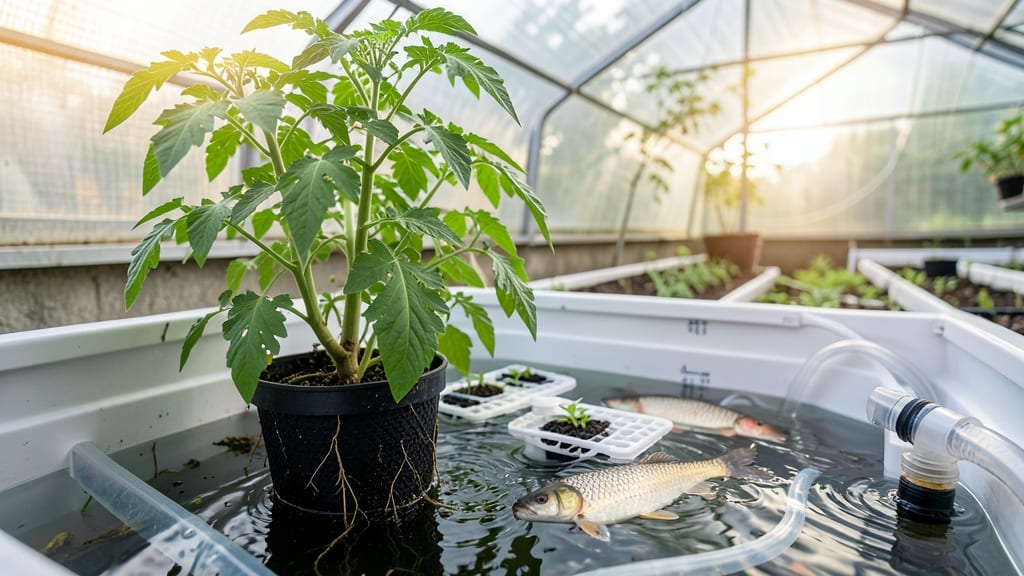
Growing tomatoes in aquaponics delivers fast harvests you won’t believe—plants mature in half the time of traditional soil methods. 🌱 I’ve watched cherry tomatoes ripen in just 60 days when grown this way, and the flavor? Unmatched.
The secret lies in the perfect balance of water, nutrients, and root health, all while cutting water usage by 90% compared to conventional growing. The system works by letting fish waste fertilize the water, which tomato roots absorb through a growing medium like clay pebbles or expanded clay.
No soil means no compacting, no pests, and no wasted water—just pure, efficient growth. You’ll need a 4-foot-tall grow tower (or DIY version) and the right tomato varieties, like ‘Tiny Tim’ or ‘Sweet Million’, bred for aquaponics’ compact spaces.
By mid-summer, you’ll be picking pounds of tomatoes weekly with minimal effort. The plants stay lush and productive for months, and the fish (like tilapia or goldfish) thrive too. It’s gardening at its most efficient—and satisfying. Best part? This system works indoors or out, year-round, even in small spaces.
No green thumb required—just follow the flow!
📚 In This Guide
- What you need
- Instructions
- Tips and common mistakes
- Wrapping up and next steps
What you need
- ● Grow Bed or Barrel: 55-gallon food-grade barrel or a dedicated aquaponics grow bed (2–4 ft deep, 4–6 ft wide).
- ● Fish Tank: 55–75 gallon (for medium-sized systems) with a sponge filter or air stone for oxygenation.
- ● Tomato Varieties: 3–5 determinate (bush) or indeterminate (vining) aquaponics-friendly varieties (e.g., 'Cherry Roma,' 'Sungold,' or 'Better Boy').
- ● Grow Media: Floating rafts (for deep-water culture) or net pots (1–2" diameter, 6–12" deep).
- ● Clay pebbles or expanded clay (1–2" size) for rafts.
- ● Fish: 1–2 lbs of tilapia, catfish, or trout per 100 gallons of water (adjust based on system size).
- ● Water Pump: 200–500 GPH (gallons per hour) with adjustable flow for circulation.
- ● pH Test Kit: Digital or liquid test kit to monitor pH 5.8–6.5 and alkalinity 80–120 ppm.
- ● Water Test Kit: For ammonia (<3 ppm), nitrite (<1 ppm), and nitrate (<50 ppm).
- ○ Grow Lights (Optional): Full-spectrum LED (12–16 hrs/day) for indoor setups.
- ● Support Structures: Trellis, stakes, or cages for indeterminate varieties.
- ● Automatic Top-Off System: To maintain water levels (e.g., float valve or drip system).
- ● Water Heater: For cooler climates (maintain 70–80°F for fish and plants).
- ● Beneficial Bacteria: Nitrosomonas and Nitrobacter starter cultures to cycle the system faster.
- ● Pruning Tools: Sharp shears for harvesting and maintaining plants.
- ● Companion Plants: Basil, lettuce, or herbs to deter pests and improve growth.
Step-by-Step guide to growing aquaponics tomato plants
Here’s how to cultivate vigorous, high-yield tomato plants in an aquaponics system—where speed and efficiency meet flavor.
🌱 Step 1: Select Fast-Growing, Dwarf Varieties
Choose compact, indeterminate tomato varieties like ‘Tiny Tim’ or ‘Tumbling Tom’—they thrive in aquaponics and produce fruit quickly. Avoid large, sprawling types; their weight can stress the system. Seedlings should be 4-6 weeks old before transfer, with strong stems and 3-4 true leaves to handle the transition.
I’ve found that germinating seeds indoors under grow lights for 10-14 days ensures a head start. Once seedlings reach 2 inches tall, they’re ready for the aquaponics media bed. The key is uniform size—mismatched plants slow growth and complicate nutrient balance.
💧 Step 2: Set Up the Aquaponics System
Start with a media bed filled with clay pebbles or expanded shale (cleaned and rinsed) to support roots while allowing water flow. Your fish tank (stocked with tilapia or goldfish) should maintain 70-75°F water—tomatoes thrive in this range. Use a water pump to circulate nutrient-rich water from the fish tank to the grow bed at a gentle, steady flow.
Test water parameters weekly: pH 6.0-6.5, ammonia <0.5 ppm, and nitrate 20-50 ppm. Too-high ammonia burns roots; low nitrates starve plants. I adjust pH with citric acid (for raises) or potassium hydroxide (for drops), but never overshoot—tomatoes are sensitive to swings.
☀️ Step 3: Transplant Seedlings and Manage Light
Place seedlings in the media bed, burying stems up to the first true leaves to encourage root growth. The root zone should stay submerged in 1-2 inches of water—never dry. Within 3-5 days, you’ll see new roots probing the pebbles. Position the system in full sun (6+ hours daily) or under LED grow lights (14-16 hours/day) for fastest growth.
Leggy seedlings? They need more light. Rotate the system quarter-turn daily to prevent leaning. Once plants hit 12 inches tall, prune lower leaves to focus energy on fruit production. This step is critical—prune aggressively to avoid overcrowding, which slows growth and invites pests.
✂️ Step 4: Monitor Growth and Harvest Strategically
Tomatoes in aquaponics grow 30-50% faster than soil-grown plants, but they need support. Install cages or stakes at transplant time—waiting risks snapping stems. Harvest early-morning fruit when fully colored but slightly firm for peak flavor. A single plant yields 10-20 lbs per season if pruned correctly.
Watch for blossom end rot (calcium deficiency)—it’s common in aquaponics. Fix it by adding calcium nitrate to the water (follow label rates). Remove affected fruit immediately; it won’t recover. I also thin clusters to 3-4 tomatoes per stem—this ensures larger, sweeter fruit and prevents the system from being overloaded.
⏰ Step 5: Maintain Year-Round with Seasonal Adjustments
In winter, reduce light to 12 hours/day and keep water 72-75°F with a submersible heater. In summer, shade cloth (30% coverage) prevents overheating. Fish population matters too—1 lb of fish per square foot of grow bed provides enough nutrients. Overstocking clouds water and stresses plants.
Every 3 months, flush the system with clean water to remove excess salts. I also rotate crops—after tomatoes, switch to lettuce or herbs to break disease cycles. With this setup, you’ll harvest year-round, with first tomatoes in 6-8 weeks and continuous production thereafter.
Tips & tricks for perfect aquaponics tomato cultivation
Here's what I learned after years of optimizing these systems for maximum yield and speed.
Seedling Selection: When choosing between 'Tiny Tim' and 'Tumbling Tom', I've found 'Tumbling Tom' handles aquaponics slightly better because its bushier growth naturally supports itself better in water systems. The key to success in Step 1 is consistency—measure your seedlings' height precisely when they reach 2 inches tall. Use a ruler with 1/4-inch increments for accuracy, as even small size variations can lead to uneven growth rates in the system.
Water Temperature Management: Maintaining that 70-75°F range is non-negotiable, but I've discovered a simple trick: place a small aquarium thermometer in your fish tank and another in the media bed. Tomatoes show stress symptoms first in the media bed—wilting or yellowing leaves—when the temperature drops below 70°F. If you notice this, immediately adjust your heater or move the system to a warmer location. The fish tank might still read 72°F while the bed drops to 68°F due to heat loss.
Light Optimization: For fastest growth during the 14-16 hour light period, I recommend using a timer for your grow lights. Set it to turn on at 6:00 AM and off at 8:00 PM year-round, regardless of natural daylight. This consistency helps your plants develop a reliable growth rhythm. In Step 3, when you're pruning at the 12-inch mark, focus on removing leaves that would shade the fruit clusters—this increases exposure to both light and airflow, which dramatically improves fruit quality and reduces disease risk.
Nutrient Balance Troubleshooting: If you notice new leaves turning yellow while older ones stay green, that's a classic sign of nitrogen deficiency in your fish tank. The solution is simple: increase your fish population by 10-15% (up to that 1 lb per square foot maximum). Conversely, if your water becomes cloudy or you smell ammonia, reduce the fish population immediately—your tomatoes will show signs of stress within 3-5 days, and the system needs time to recover its balance.
Pro Tips for Aquaponics Tomato Plants
- Here's what I learned after years of optimizing these systems for maximum yield and speed.
- Seedling Selection: When choosing between 'Tiny Tim' and 'Tumbling Tom', I've found 'Tumbling Tom' handles aquaponics...
- Water Temperature Management: Maintaining that 70-75°F range is non-negotiable, but I've discovered a simple trick: p...
Frequently asked questions
Got questions about growing aquaponics tomato plants?
You're not alone! Here are some of the most common queries—plus straightforward answers to help you cultivate thriving, high-yield tomato plants year-round.
Can I grow any tomato variety in aquaponics?
Not all tomatoes thrive in aquaponics. Opt for determinate varieties like 'Roma,' 'Cherry,' or 'Celebrity'—they’re compact, high-yielding, and handle the system’s moisture levels better. Avoid sprawling indeterminate types (e.g., 'Beefsteak') unless you’re using a vertical setup with pruning. Pro tip: Look for labels like "bush" or "dwarf" for foolproof success!
How long does it take for aquaponics tomatoes to produce fruit?
With ideal conditions (65–80°F, 12+ hours of light), you can expect first fruits in 60–90 days for fast varieties like 'Sweet 100' or 'Sun Gold.' Slower growers (e.g., 'Brandywine') may take 100+ days. Key factor: Consistent nutrient balance and pruning speed up harvests. Patience pays off—just imagine fresh tomatoes in half the time of soil gardening!
What happens if my fish get stressed by the tomatoes?
Fish stress is rare but can occur if roots tangle in nets or if the system’s pH swings (aim for 6.8–7.2). Use floating rafts or net pots to keep roots contained, and monitor ammonia/nitrite levels weekly. Solution: Add more fish (like tilapia) to balance the ecosystem or upgrade your biofilter. Healthy fish = happy tomatoes!
How do I handle temperature fluctuations in aquaponics tomatoes?
Tomatoes love warmth but hate extremes. Below 50°F, growth stalls; above 90°F, fruit quality drops. Use a greenhouse, insulated grow tent, or aquaponics chiller in hot climates. For cold snaps, add a space heater (safely!) or grow in a basement with grow lights. Pro tip: Mulch the media with straw to retain heat—nature’s built-in thermostat!
What’s the best alternative if my aquaponics system fails?
No system? No problem! Try hydroponics (simpler, no fish) or container gardening with a 5-gallon bucket of coconut coir + fertilizer. For aquaponics-lovers, a small DIY barrelponics setup (55-gallon drum + tilapia) works wonders. Bonus: Companion plants like basil or lettuce thrive alongside tomatoes—just ensure they share similar pH needs (6.0–7.0).
Wrapping up and next steps
Growing aquaponics tomato plants is a rewarding way to enjoy fresh, homegrown produce year-round—without the hassle of traditional gardening! 🌱 With the right fast-growing, high-yield varieties and a well-balanced system, you’ll harvest juicy, flavorful tomatoes in record time. Whether you’re a beginner or a seasoned aquaponics enthusiast, this guide gives you the confidence to start small and scale up.
Ready to dive in? Start with one or two plants in your system, monitor their progress, and gradually expand. Before you know it, you’ll be feasting on homegrown tomatoes while keeping your fish happy—win-win! 🍅✨