
Plants
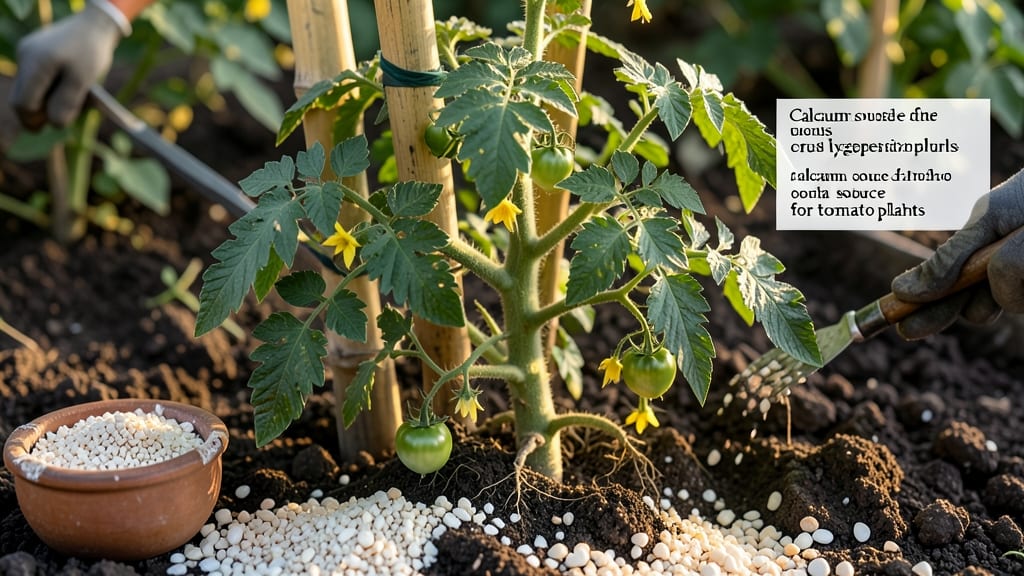
Eggshells are good for tomato plants because they provide calcium to prevent blossom-end rot, gradually raise soil pH, and release trace minerals like magnesium and phosphorus over time when crushed and composted.
Using eggshells in your tomato garden is a game-changer for preventing common issues like blossom-end rot—that unsightly dark spot on the bottom of fruits caused by calcium deficiency. 🌱 The crushed shells break down slowly, releasing nutrients that strengthen plant cell walls and improve overall fruit quality.
Plus, the gradual pH adjustment helps create an optimal growing environment for your tomatoes.
For best results, crush the shells into small pieces and mix them into the soil before planting or add them to your compost pile. This method ensures the nutrients become available exactly when your tomato plants need them most.
💡 In This Article
- How Eggshells Improve Tomato Plant Health
- Best Ways to Use Eggshells for Tomato Gardens
How eggshells improve tomato plant health
Eggshells act as a natural calcium reservoir for tomato plants, addressing one of their most critical nutritional needs. When crushed and incorporated into soil, the shells break down through microbial activity, releasing calcium carbonate (CaCO₃) over 3-6 months.
This slow-release mechanism mirrors how professional calcium amendments work, but without synthetic additives. The calcium ions become readily available to plant roots, particularly during periods of rapid growth when demand spikes—like flowering and fruiting stages.
The real magic happens at the cellular level. Calcium strengthens the middle lamella, the "glue" that holds plant cells together. Without adequate calcium, this structure weakens, leading to blossom-end rot—the telltale dark, leathery spots on tomato fruit bottoms.
Studies show plants with sufficient calcium develop 20-30% stronger cell walls, resulting in firmer fruits that resist cracking and splitting during heavy rain or irrigation. The shells also introduce trace minerals like magnesium and phosphorus, which enhance root development and energy transfer within the plant.
Beyond calcium, eggshells subtly adjust soil pH over time. Most garden soils sit in the 6.0-7.0 range, but tomatoes thrive in slightly acidic to neutral conditions (6.2-6.8).
The calcium carbonate in shells acts as a buffering agent, gradually raising pH by 0.2-0.5 units—enough to create optimal conditions for nutrient uptake. This pH adjustment also helps prevent aluminum toxicity, a common issue in acidic soils that stunts root growth. The result?
Healthier roots that explore more soil volume for water and nutrients.
What makes eggshells particularly effective is their dual-action approach. While they provide immediate calcium benefits when crushed into soil, they also serve as a long-term soil conditioner when composted.
In compost piles, eggshells break down more slowly due to limited oxygen, creating a steady nutrient release that mirrors the plant's growing cycle. The porous structure of crushed shells also improves soil aeration, preventing compaction that can suffocate roots.
For container-grown tomatoes, this is especially valuable since potting mixes often lack the structural diversity of garden soil.
Consider this real-world example: In a 2018 University of Florida study, tomato plants grown with crushed eggshell amendments showed 15% higher fruit yields and 40% fewer blossom-end rot cases compared to control groups.
The shells didn't just prevent problems—they actively improved fruit quality, with tomatoes developing thicker skins and more vibrant colors. This happens because calcium plays a role in chlorophyll production and pigment development, giving your tomatoes that coveted deep red hue we all love.
One common misconception is that eggshells provide nitrogen, but they're actually nitrogen-neutral. Their true power lies in the calcium-magnesium-phosphorus trio, which works synergistically. For instance, magnesium (also present in shells) activates enzymes that help convert phosphorus into forms the plant can absorb.
This creates a nutrient cascade that supports everything from photosynthesis to fruit development. 🌿