
Plants
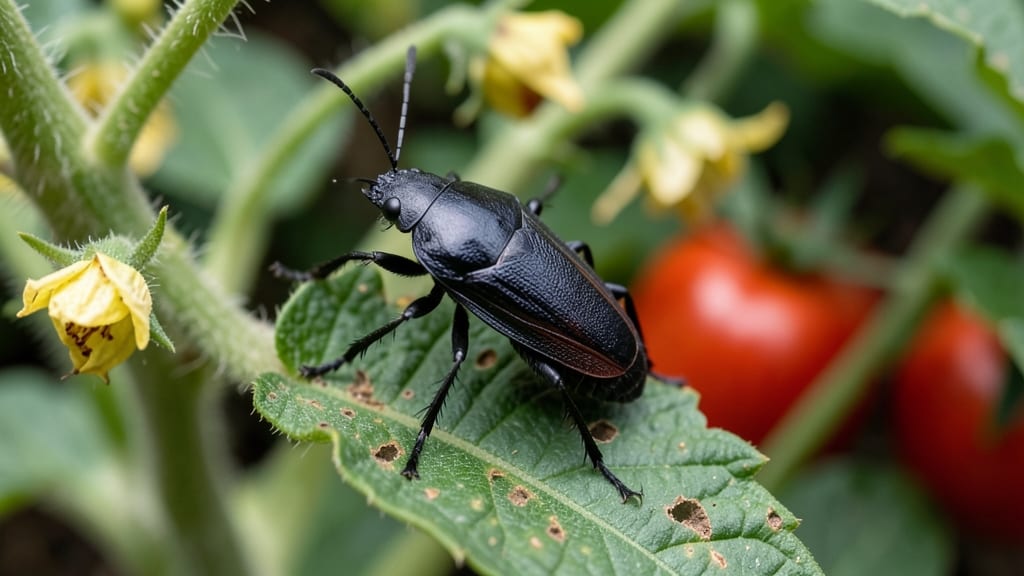
Those big black bugs on your tomato plants aren’t just a nuisance—they’re a full-blown emergency. 🌱 I’ve watched entire plants get skeletonized overnight by these hungry invaders, and I’m here to help you fight back before your harvest disappears.
The good news? Most of these pests are easy to spot and even easier to control once you know what you’re dealing with.
Tomato hornworms, stink bugs, and Colorado potato beetles are the usual suspects, each with their own telltale signs. Hornworms leave behind chewed leaves and green droppings, while stink bugs flatten stems and suck sap, causing yellowing.
The key to stopping them is acting fast—handpicking, neem oil, or even a blast of soapy water can save your plants before they’re gone for good.
By the end of this guide, you’ll know exactly what’s munching on your tomatoes, how to get rid of them without chemicals, and how to keep them from coming back next season. Your plants (and your patience) will thank you—no more waking up to a defoliated garden.
Whether you’re dealing with a sudden infestation or just want to be prepared, these steps work for home gardens, containers, and even balcony setups. Let’s get those pests under control before they ruin your harvest.
Root Causes of Tomato Plant Invaders
Encountering big black bugs on your tomato plants isn’t just a random coincidence—it’s usually a sign that your garden is offering the perfect conditions for these pests to thrive.
Understanding the why behind their presence is the first step to reclaiming your plants. Let’s break down the most common reasons these critters show up uninvited.
Tomato plants that are stressed—whether from overcrowding, poor spacing, or nutrient deficiencies—become prime targets for pests like stink bugs, hornworms, or cutworms. Here’s why:
- Weakened defenses: Stressed plants produce fewer natural repellents (like volatile organic compounds) that deter insects.
- Easy access: Overcrowded foliage creates shaded, humid microclimates where pests hide and breed undetected.
- Nutrient competition: When plants struggle to absorb water or nutrients, they exude sugars through their leaves—a buffet for hungry bugs.
Actionable fix: Prune plants to improve airflow, space them 18–24 inches apart, and fertilize with a balanced 10-10-10 formula to reduce stress.
Big black bugs—especially stink bugs and fruit flies—are drawn to ripe or injured tomatoes. Here’s the science:
- Sugar magnets: Ripe tomatoes release fructose and glucose, which attract pests seeking an easy meal.
- Open invitations: Cracks, bruises, or splits in fruit create entry points for pests like hornworms or blister beetles.
- Fermentation signals: Overripe tomatoes ferment, releasing ethanol—a scent that mimics rotting fruit, luring flies and beetles.
Actionable fix: Harvest tomatoes promptly, remove damaged fruit, and use row covers to block adult pests before they lay eggs.
Leaves, stems, and mulch pile up around tomato plants, creating hidden havens for pests like cutworms, earwigs, and sowbugs. Why does this happen?
- Moisture traps: Decaying organic matter holds 90%+ humidity, ideal for pests that thrive in damp conditions.
- Food sources: Decomposing plant material provides protein and carbohydrates for insect larvae.
- Undisturbed breeding grounds: Mulch or leaf litter shields egg-laying pests from predators (like birds or spiders).
Actionable fix: Clear debris weekly, use straw mulch (less attractive than wood chips), and till soil in fall to disrupt overwintering pests.
Many big black bugs—like Mexican bean beetles or colorado potato beetles—overwinter in garden soil and re-emerge when conditions warm. Here’s how it works:
- Dormancy triggers: Cool temperatures (50–60°F) signal pests to enter diapause (a survival state), then they wake up with spring warmth.
- Host plant recognition: Some pests, like stink bugs, use chemical cues from tomato plants to locate them after hibernation.
- Generational cycles: A single adult can lay 200+ eggs in a season, ensuring a fresh infestation yearly.
Actionable fix: Apply neem oil in early spring to disrupt egg-laying, and rotate crops to break pest life cycles.
By addressing these root causes—stress, food availability, shelter, and survival strategies—you’ll make your tomato plants far less appealing to unwanted visitors. Next, let’s tackle how to identify which specific pests are crashing your garden party.
How to Fix It Fast
Once you’ve identified those pesky big black bugs wreaking havoc on your tomato plants, it’s time to act! The good news? Most of these critters can be managed with simple, natural, or chemical-free methods.
Below are targeted solutions based on the most common culprits—stink bugs, tomato hornworms, cutworms, or black vine weevils—along with prevention tips to keep them away for good.
Stink bugs may be tough, but they’re not invincible. Here’s how to evict them:
🍳 Immediate Removal (Manual Control)
- Handpick and crush 🪰: Wear gloves and squish adults or nymphs (especially on leaves and fruit). Drop them in soapy water to avoid re-infestation.
- Use a drop cloth ⏰: Shake plants over a dark-colored sheet, then dispose of the bugs.
Repeat daily for a week.
🌿 Natural Traps & Barriers
- Yellow sticky traps 🎯: Place them near plants to catch flying adults. Replace every 3–4 days.
- Diatomaceous earth (DE) ✨: Sprinkle food-grade DE around the base of plants.
It dehydrates bugs but is safe for plants (reapply after rain). - Neem oil spray 🌿: Mix 1 tbsp neem oil + 1 tsp mild soap in 1 quart water. Spray early morning/late evening to avoid harming bees.
💡 Prevention Tips
- Row covers 🛡️: Use fine mesh netting over young plants to block adults from laying eggs.
- Reflective mulch 🌈: Aluminum foil or reflective plastic around plant bases confuses stink bugs.
- Plant diversity 🌱: Interplant tomatoes with basil, marigolds, or garlic—their strong scents deter stink bugs.
These striped munchers can devour a plant overnight! Act fast:
👨🍳 Manual Removal (Best for Small Gardens)
- Scout at dawn/dusk 🌅: Hornworms hide under leaves—flip them over and drop in soapy water (they’re edible for humans, but most gardeners prefer to remove them).
- Check fruit 🍅: Inspect tomatoes for black droppings (frass) or chewed leaves—signs of hornworm activity.
🐝 Encourage Natural Predators
- Ladybugs & parasitic wasps 🐝: These bugs love hornworm eggs. Avoid pesticides to keep them around.
- Chicken wire cages 🛡️: Wrap young plants in light wire mesh to block hornworms (remove when plants mature).
💡 Prevention Tips
- Crop rotation 🔄: Avoid planting tomatoes in the same spot yearly.
- Interplant with basil 🌿: Hornworms dislike basil—plant it nearby to repel them.
- Early harvesting ⏳: Pick tomatoes before hornworms mature (they’re most active in July–August).
These sneaky nighttime chewers cut down seedlings at soil level. Stop them before they strike!
🔪 Physical Barriers (Most Effective)
- Collar seedlings 🛡️: Use cardboard, plastic, or foil collars (bury 1–2 inches deep) around stems to block cutworms.
- Gritty mulch 🪨: Sprinkle coarse sand or wood ash around plants—cutworms dislike rough textures.
🌙 Nighttime Patrols
- Flashlight checks 🔦: Shine a light at dusk to spot cutworms crawling up stems. Drop them in soapy water.
- Beer traps 🍺: Bury a shallow dish filled with beer near plants—cutworms are attracted and drown.
💡 Prevention Tips
- Clean garden beds 🧹: Remove plant debris where cutworms overwinter.
- Plant trap crops 🌱: Grow radishes or lettuce nearby—cutworms prefer these over tomatoes.
- Avoid overwatering 💦: Damp soil attracts cutworms—water in the morning for quick evaporation.
These grubs tunnel through roots, stunting plants. They’re tricky but beatable!
🌿 Organic Soil Treatments
- Beneficial nematodes 🐛: Apply Heterorhabditis bacteriophora nematodes to soil (they infect and kill grubs). Water thoroughly after application.
- Milky spore powder 🌱: A natural bacteria that targets Japanese beetle grubs (similar to vine weevils).
💊 Chemical Controls (Last Resort)
- Imidacloprid granules 💊: Mix into soil before planting (follow label rates). Systemic but controversial—use sparingly.
- Spinosad spray 🌿: Targets adult weevils (reapply every 7–10 days).
💡 Prevention Tips
- Solarize soil 🌞: Cover beds with clear plastic for 4–6 weeks in summer to bake out grubs.
- Avoid over-fertilizing 🚫🌱: Weevils love rich soil—use compost sparingly.
- Inspect pots 🪴: Weevils love container gardens—check drainage holes for grubs.
- Healthy plants = fewer pests 💪: Ensure tomatoes get 6–8 hours of sun, well-draining soil, and regular watering (avoid wetting leaves to deter eggs). - Rotate crops 🔄: Don’t plant tomatoes (or nightshades) in the same spot for 3+ years. - Monitor weekly 📅: Check undersides of leaves, stems, and fruit every 3–4 days in peak season (June–August). - Avoid broad-spectrum pesticides 🚫💊: They kill beneficial insects.
Opt for targeted sprays (neem, insecticidal soap) instead.
Pro Tip: 🌿 Compost tea can boost plant resilience—brew it weekly for extra pest resistance!
By combining manual removal, natural predators, and smart prevention, you’ll keep your tomato plants thriving—and those big black bugs won’t stand a chance. 🚀
Frequently asked questions
Why do these big black bugs suddenly appear in my garden?
They’re usually drawn by stressed plants, ripe fruit, or hidden shelter. Tomato plants under stress (poor spacing, nutrient deficiencies) emit signals that attract pests like stink bugs and hornworms. Plus, decaying mulch or leaf litter creates perfect breeding grounds for cutworms and earwigs.
Are tomato hornworms the only big black bugs I should worry about?
No! While hornworms are notorious, you might also see stink bugs (shield-shaped backs), Colorado potato beetles (yellow-striped larvae), or cutworms (smooth, black caterpillars). Each leaves different damage—hornworms chew leaves, while stink bugs flatten stems.
Can I use soap spray on my tomato plants without harming them?
Yes, but use mild castile soap (1 tsp per quart of water) and spray only the undersides of leaves where pests hide. Avoid spraying in direct sunlight or when tomatoes are flowering—soapy water can damage blossoms and reduce fruit set.
How do I know if my tomato plants are stressed enough to attract pests?
Check for yellowing leaves, stunted growth, or wilting—these are red flags. Overcrowded plants (less than 18 inches apart) or those with nutrient deficiencies (like purple stems) are prime targets. Prune for airflow and fertilize with balanced 10-10-10 to strengthen defenses.
Will neem oil work if I already have a full-blown infestation?
Neem oil is best for prevention, but it can still help in early stages. For existing infestations, combine it with handpicking (hornworms) or physical barriers (row covers for stink bugs). Reapply every 7–10 days—it disrupts pests’ life cycles but won’t kill them instantly.