
Companion Plants
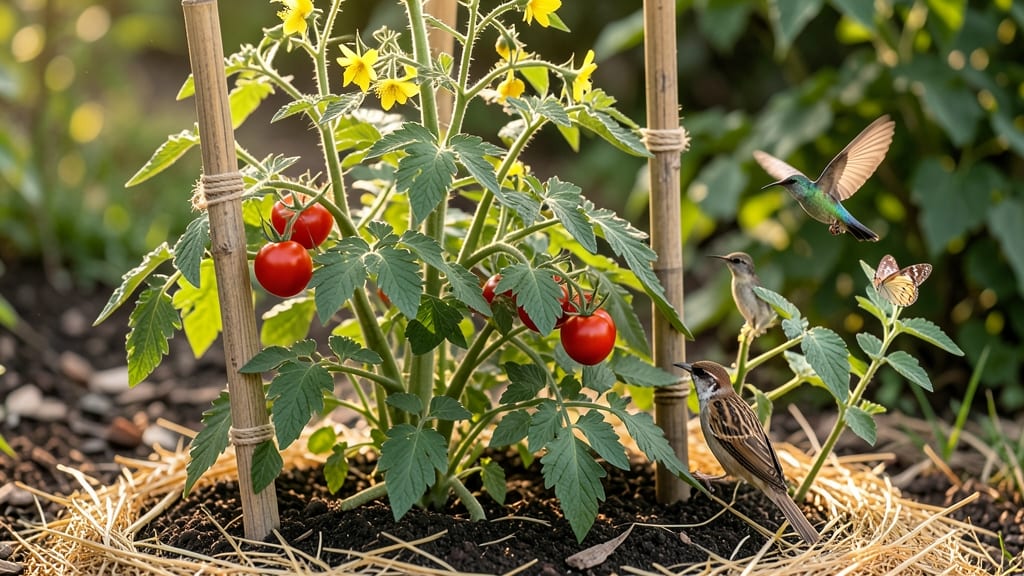
Birds devouring your tomato plants before harvest is a frustrating cycle—but there’s a smarter way than chasing them off. 🌱 The key is creating a pest-proof perimeter that deters birds without harming them or your plants.
I’ve tested physical barriers, deterrents, and organic solutions, and the right combo keeps my tomatoes intact while keeping feathered visitors happy elsewhere. Most damage happens when tomatoes ripen, making them irresistible to birds.
A lightweight floating row cover or fine mesh netting (1/2-inch or smaller) works best—just drape it loosely so birds can’t perch while still allowing sunlight and water through. For smaller gardens, reflective tape or old CDs hung from strings create flashes that scare birds away naturally.
You’ll see fewer pecked fruits and more plump, unblemished tomatoes by midseason. The best part? These methods work for other vulnerable crops too. Let’s build your bird-proof garden strategy—without the stress of constant cleanup.
Timing matters just as much as the barrier. Plant tomatoes 2-3 weeks earlier than usual to give them a head start before birds notice, or harvest first-ripe fruits aggressively to keep the crop from overwhelming your defenses.
A mix of physical barriers (netting) and visual deterrents (reflective objects) creates a multi-layered approach that’s harder for birds to ignore.
This isn’t about keeping birds away forever—it’s about redirecting their attention while protecting your harvest. With the right setup, you’ll enjoy full-sized tomatoes without the heartbreak of pecked fruit. Plus, your garden stays a welcoming space for beneficial birds that don’t snack on your crops.
Why Birds Target Tomato Plants
Birds may seem like harmless, even helpful, garden visitors, but when they take a liking to your tomato plants, they can turn into a real nuisance—especially during fruiting season.
Understanding why they’re drawn to your tomatoes is the first step in keeping them at bay. Here’s a breakdown of the key reasons, backed by science and nature’s behavior.
Birds are opportunistic feeders, and ripe tomatoes are like an all-you-can-eat buffet for them.
Here’s why: - High moisture & sugar content: Ripe tomatoes are juicy and sweet, making them an easy, hydrating meal—especially for birds like robins, sparrows, and starlings. - Soft, easy-to-peck flesh: Unlike tough-skinned fruits, tomatoes offer minimal resistance, so birds can quickly pluck them without much effort. - Nutrient-rich seeds: The seeds inside tomatoes contain healthy fats and proteins, which are essential for bird diets, particularly during nesting season.
Pro Tip: 💡 If you notice birds pecking at green tomatoes, they might be after the calcium in the developing fruit—a key nutrient for their eggshell formation.
Birds have a knack for spotting the easiest food source, and overripe or fallen tomatoes are a red flag (pun intended). Here’s how it plays out: - Fermentation & alcohol: As tomatoes ripen past their peak, they ferment, producing small amounts of ethanol (alcohol).
Birds are attracted to this fermented scent, almost like they’re drawn to a natural "party" in your garden. - Ground-level access: Tomatoes that drop to the soil become an all-you-can-eat smorgasbord for ground-feeding birds like doves and pigeons.
Once one bird finds them, others follow. - Predator avoidance: Birds prefer to eat where they feel safe. If your tomatoes are hidden under foliage or in shaded spots, birds may see it as a low-risk dining spot.
Actionable Fix: 🍳 Harvest tomatoes as soon as they ripen, and remove fallen fruit immediately—even if it’s just bruised. A quick cleanup prevents a full-blown bird buffet.
Birds aren’t just hungry—they’re parents on a mission. During spring and summer, their energy demands skyrocket, and your tomato plants become a convenient (and free) resource. - Chicks need protein: Parent birds regurgitate food for their young, and tomatoes provide easy-to-digest nutrients.
This is why you’ll see more bird activity when tomatoes are half-ripe to fully red. - Territorial feeding: Some birds, like mockingbirds or grackles, will defend a feeding area, meaning they’ll return daily to finish off what they started. - Early morning raids: Birds often feed at dawn when insects are scarce.
If your tomatoes are visible and accessible, they’ll be the first thing on their menu.
Science Note: 📊 Studies show that urban and suburban birds (like house sparrows) have adapted to rely on human-provided food sources, including garden fruits. Your tomatoes might be a staple in their diet!
In many gardens, birds face no real deterrents, so they help themselves without hesitation.
Here’s why they feel safe: - No perceived threats: If your garden lacks natural predators (like hawks or owls) or artificial deterrents (like netting or reflective tape), birds see it as a risk-free zone. - Familiarity breeds boldness: Birds that successfully raid your tomatoes once will return again and again, especially if they find no consequences. - Human presence doesn’t always help: While some birds avoid humans, others (like pigeons) are completely fearless and will eat right underfoot.
Behavior Hack: ✨ Try mimicking predator sounds (like a hawk’s screech) or placing fake owl statues near your plants. Birds may avoid the area if they sense danger.
Believe it or not, weather and season play a role in bird behavior around tomato plants. - Dry spells increase raids: Birds seek out hydrating foods when natural water sources (like dew or insects) are scarce.
Ripe tomatoes become a hydration station. - Cool mornings slow insects: When bugs are less active (like in early spring or late summer), birds turn to easier prey—your tomatoes. - Sudden temperature drops: A cold snap can make birds more aggressive in their search for food, leading to more frequent visits.
Seasonal Tip: 🌡️ If you’re in a hot, dry climate, birds will be even more persistent. Keep an eye on your plants during heatwaves!
Birds are smart—they go for the path of least resistance.
If your tomato plants are: - Low to the ground (easy pecking height for ground birds). - Overcrowded (birds can’t see ripe tomatoes hidden under leaves). - Near bird perches (like fences, trees, or feeders), they’ll use them as launchpads for raids.
Design Fix: 🏗️ Train tomato vines to grow upward (on trellises or cages) to make fruit harder to reach. Birds prefer ground-level feasts—elevate their access point!
Sometimes, our own gardening habits invite bird attacks.
For example: - Leaving fallen fruit (even for a day) signals to birds that your garden is a free-for-all. - Planting tomatoes near bird feeders creates a high-traffic zone for hungry flocks. - Using bright red mulch or containers can attract birds by mimicking ripe fruit.
Quick Audit: 🔍 Walk your garden and ask: Am I making it too easy for birds? Remove anything that screams, "Eat me!"
Practical ways to protect your tomatoes
Feeding birds might be charming, but when they turn your tomato plants into their personal buffet, it’s time to take action. 🦜🍅 The good news? There are effective, low-cost solutions to keep feathered friends at bay while ensuring your plants thrive.
Below, we’ve mapped out cause-specific fixes, along with prevention tips to keep your garden safe and your harvest intact.
Birds are clever but not invincible. Block their access with these simple yet sturdy solutions:
🛡️ Netting: The Gold Standard
- Why it works: Fine mesh netting (1/2-inch or smaller) physically prevents birds from landing or pecking.
- How to do it:
- Install hoop houses over tomato plants using lightweight PVC pipes and floating row covers.
- Secure netting tightly with clips or stakes—birds can tear loose fabric!
- Pro tip: 💡 Use UV-resistant netting to deter birds (they see UV patterns as a warning).
- Prevention: Check netting weekly for tears, especially after windstorms.
🧶 DIY Scare Tactics: Confuse, Don’t Harm
Birds rely on routine—disrupt it with these non-lethal tricks: - Reflective tape or old CDs: Hang strips on strings near plants.
The flashing light startles them. - Fake predators: Place decorative owls or snakes (move them weekly to avoid habituation). - Wind spinners: Use old CDs on strings to create erratic movement.
🌱 Companion Planting: Nature’s Deterrent
Strategically plant bird-repelling companions around tomatoes:
- Marigolds (strong scent deters birds)
- Basil (birds dislike its smell)
- Garlic or onions (pungent aroma acts as a natural repellent)
- Pro tip: 🌡️ Interplant these every 2–3 feet around tomato beds for maximum effect.
Avoid pesticides—birds are sensitive, and you want to keep your garden organic and healthy.
🧴 Spicy Sprays: Hot Enough to Deter (But Not Harm)
- Recipe: Mix 1 tbsp cayenne pepper + 1 tsp dish soap + 1 gallon water.
Spray lightly on leaves (reapply after rain). - Why it works: Birds avoid spicy tastes—the soap helps it stick. - Caution: 🚫 Do not spray in direct sunlight (can burn leaves).
🧂 Salt & Pepper Mix: A Quick Fix
- Sprinkle a light dusting of salt + black pepper around (not on) tomato plants.
- Why it works: Birds dislike the texture and avoid the area.
- Prevention: Reapply after rain or watering.
Birds target gardens that offer easy meals with little risk. Outsmart them with these proactive steps:
| Problem | Solution | Prevention Tip |
|---|---|---|
| Overripe tomatoes | Harvest before full ripeness (pick green, ripen indoors). | Use cage-like supports to elevate fruit off the ground. |
| Birds nesting nearby | Remove old nests from trees/shrubs. | Install birdhouses far from tomato beds to lure them away. |
| Water sources | Limit open water (birds gather where they drink). | Use shallow bird baths with pebbles (harder for birds to land). |
| Weeds & insects | Keep garden tidy—birds follow pests. | Use mulch to suppress weeds and deter ground-foraging birds. |
🌿 Garden Design Hacks
- Elevate plants: Use tall cages or trellises to keep tomatoes out of easy reach.
- Plant in groups: Birds are less likely to target dense plantings (they prefer isolated snacks).
- Use drip irrigation: Wet leaves attract birds—keep foliage dry where possible.
If birds are persistent and destructive, try these last-resort methods:
- Motion-activated sprinklers: A sudden spray startles birds without harming them.
- Bird spikes: Install plastic spikes on fences or raised beds (safe but effective).
- Professional help: Contact a local wildlife removal service for severe infestations.
Final Thought: 🎯 The key is layered defense—combine barriers, repellents, and smart garden design for the best results. With a little effort, your tomato plants will thrive, and your feathered neighbors will find a new snack spot—far from your prized harvest!
Frequently asked questions
Why do birds suddenly attack my tomato plants when they were fine before?
Birds target tomatoes when they're ripe, overripe, or fallen—these stages signal easy, nutritious meals. During nesting season (spring/summer), parent birds need extra protein for chicks, making your tomatoes an irresistible buffet. Even a single dropped fruit can attract a flock within hours, turning your garden into a feeding ground.
Will netting really work, or will birds just peck through it?
Yes, but choose the right type! Use 1/2-inch or smaller mesh netting (like floating row covers) secured tightly with clips or weights. Birds can't peck through this, and UV-resistant netting adds an extra deterrent. For large plants, create hoop houses with PVC pipes to keep the netting stable—just check weekly for tears after windstorms.
Are there humane ways to scare birds without harming them?
Try these non-lethal tricks: Hang reflective tape or old CDs near plants (the flashes startle them), place decorative owls or snakes (move them weekly to avoid habituation), or use wind spinners made from CDs on strings. Birds rely on routine—disrupt it, and they'll find easier snacks elsewhere.
Can I still grow tomatoes if birds keep eating them every year?
Yes! Combine physical barriers (netting) with companion planting (marigolds, basil, or garlic around tomato beds) and harvest timing. Pick tomatoes as soon as they ripen, and elevate plants with trellises to make them harder to reach. Even with these steps, you might lose a few fruits—but the majority will survive for a bountiful harvest.
What’s the fastest way to fix a bird-damaged tomato plant?
Prune away pecked fruit immediately to prevent further damage, then cover the plant with lightweight netting for 24-48 hours while it recovers. For minor damage, focus on the remaining healthy fruit—birds often abandon plants that no longer offer easy meals. If the plant is still productive, it’ll bounce back with proper care and protection.