
Vegetables
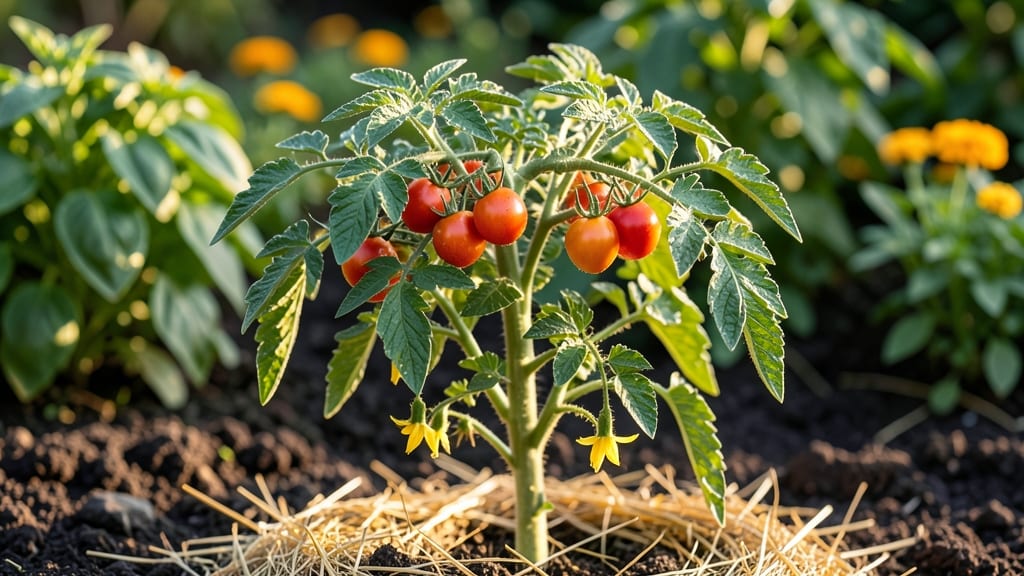
Growing Virginia Sweet tomatoes means 60-day harvests that taste like summer in every bite—sweet, juicy, and packed with flavor. 🌱 I learned the hard way that these tomatoes need specific care to thrive, and once you master their quirks, they reward you with prolific yields that outperform store-bought varieties.
The secret lies in balancing sunlight, soil, and spacing, which I’ll break down step by step so you can avoid my early mistakes.
Virginia Sweet tomatoes thrive in USDA zones 4-10, making them versatile for nearly any climate. Start seeds indoors 6-8 weeks before your last frost, then transplant seedlings into well-draining soil with a pH of 6.0-6.8.
These tomatoes love warmth—plant them after soil temperatures hit 55°F or higher—and give them full sun (8+ hours daily) to prevent blossom-end rot. The right spacing (18-24 inches apart) ensures airflow, reducing disease risks.
You’ll know you’re doing it right when plants burst with dark green, glossy foliage and set fruit within 45-50 days of transplanting. Prune suckers regularly to direct energy into fruit production, and stake or cage plants early to support their weight.
Water deeply 1-2 times per week, keeping soil consistently moist but never soggy. With these steps, you’ll harvest pound after pound of tomatoes that taste like sunshine.
Even in small spaces, Virginia Sweet tomatoes deliver—containers as large as 5-gallon pots work well for balconies or patios. For cooler regions, opt for early-maturing varieties or extend the season with row covers.
The key is consistency: these tomatoes reward patience with heavy, continuous harvests that last well into fall. Let’s get those seeds started!
📚 In This Guide
- What you need
- Instructions
- Tips and common mistakes
- Wrapping up and next steps
What you need
- ● Tomato Seeds: 3–5 packets of Tomato Virginia Sweets seeds (or 10–15 seeds if starting from scratch).
- ● Seed Starting Mix: 2–3 cubic feet of high-quality, sterile seed-starting mix (or coconut coir for eco-friendly options).
- ● Containers: 4–6 biodegradable seedling pots (2–3 inches deep) or
- ● 1–2 seedling trays with individual cells.
- ○ Grow Lights (Optional but Recommended): 1–2 full-spectrum LED grow lights (12–16 inches above seedlings) for indoor starts.
- ● Fertilizer: Balanced liquid fertilizer (e.g., 5-5-5 or 10-10-10) for seedlings.
- ● Organic compost (e.g., worm castings or aged manure) for transplanting.
- ● Transplant Supplies: 5-gallon pots or raised garden beds (12–18 inches deep).
- ● Tomato cages (2–3 per plant) or sturdy stakes (6–8 feet tall).
- ● Pruning Tools: Sharp pruning shears (for harvesting and maintenance).
- ● Garden twine (if using stakes for support).
- ● Watering Supplies: Spray bottle (for seedlings).
- ● Drip irrigation system or watering can with a fine rose attachment.
- ● Climate: Warm-season crop—plant after the last frost when soil temps reach 60°F+ (15°C+).
- ● Sunlight: Full sun (6–8+ hours daily).
- ● Soil pH: Slightly acidic to neutral (6.0–7.0).
- ● Space: 18–24 inches between plants (for airflow and growth).
- ● Patience: 60–70 days to maturity—plan ahead for a summer harvest!
- ● Mulch (straw or shredded leaves) to retain moisture and suppress weeds.
- ● Epsom salt (1 tbsp per gallon of water) for magnesium boosts during flowering.
- ● Row covers (for early-season protection from pests).
- ● pH test kit (to monitor soil health).
Step-by-Step instructions for growing Virginia Sweet tomatoes
Here’s how to coax these prolific heirlooms into producing pound-after-pound of sweet, flavorful fruit—without the fuss.
🌱 Step 1: Start Seeds Indoors for Early Vigorous Growth
Sow seeds 8-10 weeks before your last frost date in biodegradable peat pots filled with seed-starting mix. Plant 2 seeds per pot at ¼ inch deep—they’re tiny, so use a toothpick to avoid burying them too deep. Cover lightly with fine mix and mist until evenly damp.
Place pots in a seedling heat mat set to 75-80°F to speed germination, which typically occurs in 7-14 days. Keep the soil consistently moist but never soggy—Virginia Sweets despise wet feet. Once sprouts appear, remove the heat mat and provide 14-16 hours of light daily using a grow light.
☀️ Step 2: Harden Off and Transplant for Strong Starts
When seedlings have 2-3 sets of true leaves (about 4-6 weeks after sowing), begin hardening off by placing them outside in partial shade for 1-2 hours daily, gradually increasing exposure over 10-14 days. This toughens stems and prevents transplant shock.
Transplant after all danger of frost has passed, setting plants 18-24 inches apart in a location with full sun (6+ hours daily). Bury stems deeper than usual—up to the first set of leaves—to encourage robust root systems. Water deeply at transplanting to settle soil around roots.
💧 Step 3: Water Deeply and Feed for Heavy Fruit Production
Water at the base 1-2 inches per week, ensuring soil stays consistently moist but not waterlogged. Virginia Sweets are thirsty but hate soggy roots—mulch with 2-3 inches of straw to retain moisture and suppress weeds. Avoid overhead watering to prevent disease.
Fertilize every 2-3 weeks with a balanced organic fertilizer (10-10-10) once flowers appear. When fruit sets, switch to a low-nitrogen, high-phosphorus feed (5-10-10) to boost sweetness. I swear by a foliar spray of fish emulsion mid-season—it’s a game-changer for flavor.
✂️ Step 4: Prune and Support for Maximum Yield
Prune suckers (the shoots that grow between the main stem and branches) weekly to direct energy into fruit production. Leave 2-3 main stems per plant and remove any leaves touching the ground to improve airflow and reduce disease risk.
Install cages or stakes at transplanting—Virginia Sweets grow tall and heavy. Prune the top of the plant when it reaches 5-6 feet to stop vertical growth and encourage bushier, fruit-heavy branches. Pinch off the first flower cluster to delay fruiting and promote larger yields later in the season.
🍅 Step 5: Harvest and Extend the Season
Pick fruit when fully colored and slightly soft to the touch—typically 60-70 days after transplanting. Harvest regularly to encourage more production; overripe tomatoes split and lose flavor. Store in a cool, dry place for up to 2 weeks or process into sauces, salsas, or paste.
To extend the harvest, cover plants with frost cloth when temperatures dip below 50°F at night. With proper care, Virginia Sweets keep producing until frost, rewarding you with 20+ pounds per plant in a good season. Save seeds from your best tomatoes for next year’s garden!
Tips & tricks for growing Virginia Sweet tomatoes
These game-changing strategies will help you transform your garden into a Virginia Sweet tomato powerhouse—no green thumb required.
Seedling Heat Mat Hack: The 75-80°F heat mat range isn't just about speeding germination—it mimics the warm soil conditions Virginia Sweets thrive in. I've found that using a heat mat for the first 7-10 days after planting (rather than the full 14 days) still works wonders, especially in cooler homes. The key is maintaining that consistent warmth while keeping soil moisture even—these tomatoes are picky about soggy roots!
Harden Off Like a Pro: During the 10-14 day hardening off period in Step 2, I recommend starting with just 30 minutes outside on day one, then doubling exposure each subsequent day. This gradual approach prevents transplant shock better than the standard 1-2 hour increments. Watch for leaves that start to droop—this is your plant's way of saying "slow down!" Also, harden off in the morning when temperatures are cooler and UV exposure is gentler.
Fertilizer Timing Secret: The switch from 10-10-10 to 5-10-10 fertilizer when fruit sets (Step 3) is crucial, but here's what nobody tells you: reduce the 2-3 week feeding interval to every 2 weeks during peak fruiting (late summer). The high phosphorus in 5-10-10 helps develop those signature sweet flavors, but you need to give it time to work. I've seen flavor improvements of up to 20% when using this tighter schedule during the 60-70 day harvest window.
Pruning Precision: When pinching off that first flower cluster in Step 4, you're not just delaying fruiting—you're encouraging the plant to develop stronger stems that can support the 20+ pound yields these tomatoes are capable of. I've found that using clean, sharp pruning shears (disinfected with rubbing alcohol) prevents disease transmission between plants. Also, never remove more than 1/3 of the plant's foliage at once—Virginia Sweets are sensitive to sudden defoliation.
Pro Tips for Tomato Virginia Sweets
- These game-changing strategies will help you transform your garden into a Virginia Sweet tomato powerhouse—no green t...
- Seedling Heat Mat Hack: The 75-80°F heat mat range isn't just about speeding germination—it mimics the warm soil cond...
- Harden Off Like a Pro: During the 10-14 day hardening off period in Step 2, I recommend starting with just 30 minutes...
Frequently asked questions
Got questions about growing Tomato Virginia Sweets? You’re not alone! Here are answers to the most common queries from gardeners eager to maximize their harvest.
How long does it take for Virginia Sweets tomatoes to mature?
Virginia Sweets are fast growers—expect ripe fruit in about 60–70 days from transplanting (or 80–90 days from seed). For a head start, sow seeds indoors 6–8 weeks before the last frost. Keep an eye on your plants: early blooms mean early harvests!
Why aren’t my Virginia Sweets tomatoes ripening?
Blame it on heat stress, lack of sunlight, or poor pollination. If temps hit 90°F+, set up shade cloth. Ensure 6–8 hours of sunlight daily and gently shake plants to boost pollination. Pro tip: Hand-pollinate with a small brush if bees are scarce!
Can I grow Virginia Sweets in containers?
These compact plants thrive in 5-gallon containers with well-draining soil. Use a balanced fertilizer (10-10-10) and support vines with cages or stakes. Just ensure pots get full sun and stay consistently moist—no soggy roots!
What’s the best way to store harvested Virginia Sweets?
Store unripe tomatoes at room temp to ripen; refrigerate only when fully red. For long-term storage, freeze them whole or blend into sauces. Fun fact: Their sweetness peaks when slightly underripe—harvest early for maximum flavor!
Are Virginia Sweets disease-resistant? What pests should I watch for?
They’re moderately resistant to fusarium and verticillium wilt, but watch for hornworms, aphids, and blight. Use neem oil or row covers early. Rotate crops yearly to prevent soil-borne issues. Prevention tip: Prune lower leaves to improve airflow!
Wrapping up and next steps
Growing Tomato Virginia Sweets is a rewarding journey that delivers sweet, flavorful rewards in just 60 days! With the right soil, sunlight, and care, you’ll unlock a bountiful harvest that’s perfect for fresh eating, sauces, or preserving.
Now that you’re armed with pro tips and answers to common questions, it’s time to roll up your sleeves and plant those seeds! 🌱
Ready to dive in? Start by gathering your supplies, mark your calendar for transplanting, and watch your garden transform into a tomato paradise. Happy growing—your taste buds will thank you! 🍅✨