
Planting
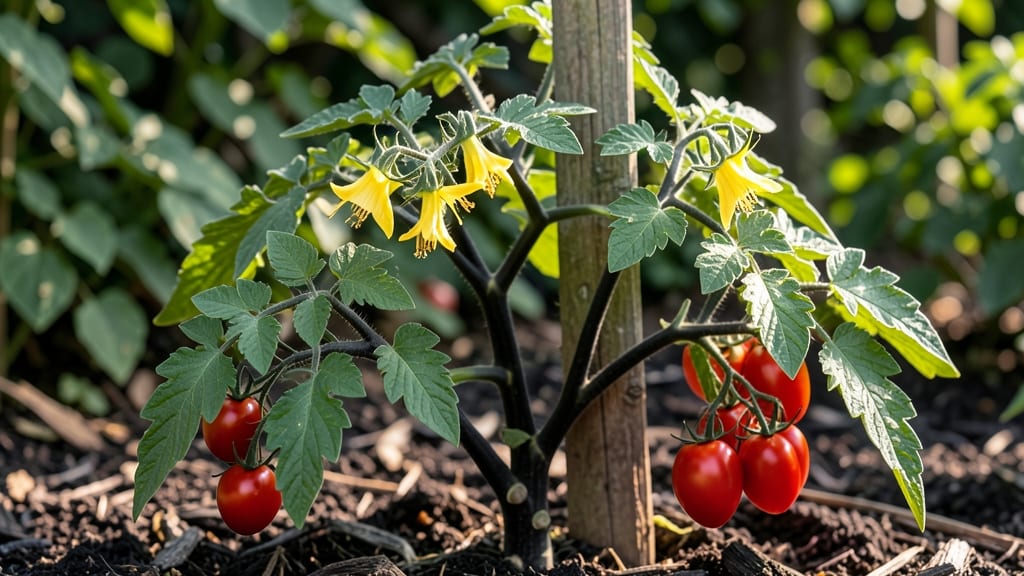
Black stem tomato plants don’t mean your harvest is doomed—it’s often fixable with the right pruning and care. 🌱 I’ve saved dozens of plants from this issue by addressing the root causes (literally) and giving them a second chance at strong growth.
The key is acting fast and targeting the problem, whether it’s disease, overwatering, or poor airflow.
Most black stems come from bacterial wilt or fungal infections, but sometimes it’s just too much water or crowded stems. Pruning isn’t just about cutting back—it’s about improving airflow and redirecting energy to healthy growth.
I’ll show you exactly which stems to remove and how to support the plant’s recovery without sacrificing future fruit.
With the right approach, you’ll see new green shoots within 2-3 weeks, and your plant will bounce back stronger than ever. The best part? These techniques also prevent future issues, so your tomatoes stay productive all season long. Let’s turn those black stems into a success story.
Whether you’re dealing with a single plant or a whole garden, these steps work for both container and in-ground tomatoes. The goal is to save your harvest—and trust me, that first ripe fruit after recovery is worth the effort.
Root Causes of Stem Darkening
When your tomato plant’s stems turn an unnatural black, it’s often a distress signal from the plant itself. Understanding the underlying causes—whether biological, environmental, or cultural—helps you address the issue before it spreads.
Below, we break down the most common culprits, complete with the science behind them and actionable insights to restore your plant’s health.
Blackened stems are a classic symptom of waterlogged roots, which cut off oxygen supply and trigger anaerobic conditions. When soil stays soggy for too long, harmful fungi like Phytophthora or Pythium thrive, rotting stems at the base. Tomatoes, especially those in containers or heavy clay soil, are particularly vulnerable.
- Why it happens: Excess moisture forces roots to suffocate, weakening structural tissues and causing cell death (necrosis). The black discoloration is a visual cue of oxidative stress and fungal invasion.
- Actionable fixes:
- 💡 Test soil moisture by sticking your finger 2 inches deep—if it’s damp, hold off on watering.
- 🔥 Improve drainage by amending soil with perlite or compost, or elevating pots with saucers.
- ⏰ Water deeply but less frequently—aim for 1–1.5 inches per week, adjusting for rain.
Fungal pathogens like Verticillium or Fusarium wilt don’t just attack roots—they clog xylem vessels, disrupting water and nutrient flow. Blackened, sunken stems or wilting leaves (even with moist soil) are red flags for these soil-borne diseases, which thrive in warm, humid conditions.
- Why it happens: Fungi produce toxins that block vascular pathways, causing stems to darken as cells collapse from starvation. Verticillium often starts at the base and spreads upward, while Fusarium may cause a vascular streak pattern.
- Actionable fixes:
- 🔪 Prune infected stems immediately—sterilize pruners with rubbing alcohol to prevent spread.
- 🌡️ Reduce humidity around plants with spacing (18–24 inches apart) and fans for airflow.
- 🎯 Rotate crops—avoid planting tomatoes or nightshades (peppers, eggplants) in the same spot for 3+ years.
Tomatoes are tender perennials that struggle when nighttime temps dip below 50°F (10°C). Cold damage disrupts cell membrane integrity, causing stems to blacken as tissues break down. Sudden freezes or late-season chills after heatwaves are especially damaging.
- Why it happens: Cold slows metabolic processes, leading to oxidative damage in stem cells. Water in plant tissues freezes and expands, rupturing cell walls and turning them black or brown.
- Actionable fixes:
- 🌡️ Use row covers or cloches when frost is forecasted (even light frosts can trigger stress).
- 💡 Mulch heavily with straw or black plastic to insulate roots and maintain soil warmth.
- 🌱 Choose cold-tolerant varieties like ‘Solar Fire’ or ‘Mountain Merit’ if your climate has unpredictable swings.
Aggressive pruning, rough handling, or even harsh winds can abrade stem tissues, creating entry points for pathogens. Blackened areas may appear at pruning cuts or where stems bend sharply—signs of mechanical stress compounded by infection.
- Why it happens: Damaged bark exposes vascular bundles to air and moisture, accelerating decay. Pruning too late in the season (when wounds heal slower) worsens the risk.
- Actionable fixes:
- 👨🍳 Prune strategically—remove suckers and lower leaves early in the season to avoid weakening the plant.
- 🔥 Use clean, sharp tools and make cuts at a 45-degree angle just above a leaf node.
- ✨ Seal wounds on larger stems with pruning sealant (optional for tomatoes, but helpful in humid climates).
Each of these causes shares a common thread: stress disrupts the plant’s ability to transport water and nutrients. By identifying the root problem—and acting fast—you can often reverse stem darkening before it leads to plant collapse. Stay tuned for our next section on diagnosing vs. treating these issues!
How to solve it
If your tomato plants are showing blackened stems, don’t panic—this is often a fixable issue! The key is identifying the root cause (like disease, overwatering, or pests) and taking targeted action.
Below, we’ve broken down the most common problems and the simplest, most effective solutions to restore your plants to health and boost their productivity.
If blackened stems are accompanied by yellowing leaves, wilting, or dark spots on lower foliage, you’re likely dealing with a fungal or soil-borne disease. Here’s how to tackle it:
🔥 Remove Infected Growth
Start by pruning away any severely affected stems or leaves. Use clean, sharp pruners to avoid spreading spores. Dispose of the clippings in a sealed bag or burn them—do not compost infected plant material.
🍳 Apply Fungicide
Spray your plants with a copper-based fungicide or a neem oil solution (1 tbsp neem oil + 1 tsp mild soap per quart of water). Reapply every 7–10 days until new growth appears healthy. For soil-borne diseases like Verticillium wilt, add composted manure or mycorrhizal fungi to improve soil health and resilience.
🌡️ Improve Air Circulation
Thin out crowded plants and avoid overhead watering. Use stakes or cages to prop up stems, keeping them off damp soil. If possible, move plants to a sunnier spot with at least 6–8 hours of direct sunlight daily.
💡 Prevention Tip:
Rotate crops yearly—don’t plant tomatoes or nightshades (peppers, eggplants) in the same spot for 3+ years. Solarize your soil in late summer by covering it with clear plastic for 4–6 weeks to kill pathogens.
Black, mushy stems often signal root rot from soggy soil. Tomatoes need consistent moisture but hate “wet feet.” Here’s how to dry things out:
⏰ Adjust Your Watering Routine
Water deeply once or twice a week (depending on climate) rather than daily shallow sessions. Aim for 1–1.5 inches of water per week, delivered at the base of the plant. Use a moisture meter to check soil levels—water only when the top 2 inches are dry.
👨🍳 Amend the Soil
If your soil drains poorly, mix in compost or perlite to improve aeration. For container-grown tomatoes, ensure pots have drainage holes and use a well-draining potting mix.
🔪 Prune Damaged Roots (Advanced)
If the stem is soft and black at the base, gently dig around the plant to inspect the roots. Snip away any black, mushy roots with sterilized scissors. Replant the tomato in fresh, dry soil and avoid watering for 3–5 days to let wounds heal.
🎯 Prevention Tip:
Mulch around plants with straw or shredded leaves to retain moisture without suffocating roots. Elevate plants with raised beds or mounds if your garden has heavy clay soil.
If you spot tiny holes, sawdust-like frass, or wilting despite healthy soil, pests like tomato hornworms or borers may be to blame. Act fast with these steps:
🔪 Handpick or Trap Pests
Inspect plants at dawn or dusk for caterpillars or beetles. Drop them into soapy water or use a drop cloth to shake them off. For hornworms, handpick them—they’re delicious for chickens!
🥘 Use Organic Sprays
Spray plants with BT (Bacillus thuringiensis) or a spinosad-based insecticide to target chewing insects. Reapply every 5–7 days until pests are gone.
🌡️ Encourage Beneficial Insects
Plant basil, marigolds, or dill nearby to attract ladybugs and parasitic wasps, which prey on tomato pests. Avoid broad-spectrum pesticides that harm these helpers.
💡 Prevention Tip:
Install row covers early in the season to block adult moths from laying eggs. Check the undersides of leaves regularly—early detection saves your plants!
Sudden temperature swings (below 50°F or above 90°F) can cause stems to blacken. Tomatoes thrive in moderate climates—here’s how to protect them:
🏡 Provide Shade or Shelter
Use shade cloth (30–50%) during heatwaves or move potted plants to a sheltered spot. In cold snaps, cover plants with frost blankets or row covers at night.
💧 Hydrate Strategically
During heatwaves, water in the early morning to reduce evaporation. Use drip irrigation to keep soil consistently moist without wetting foliage.
🌱 Adjust Planting Timing
If you’re in a hot climate, start seeds indoors 6–8 weeks before the last frost and transplant after soil temps reach 60°F. For cool climates, choose heat-tolerant varieties like ‘Solar Fire’ or ‘Heatmaster.’
✨ Prevention Tip:
Hardening off seedlings gradually by exposing them to outdoor conditions over 7–10 days prevents shock. Avoid transplanting on windy or extremely hot days.
With these targeted fixes, your black-stemmed tomato plants should bounce back in no time. Remember: prevention is the best cure—healthy soil, proper watering, and vigilant pest control will keep your tomatoes thriving all season long. 🍅✨
Frequently asked questions
Why do tomato stems turn black suddenly?
Black stems usually appear due to fungal infections like Verticillium wilt or root rot from overwatering. These issues block water flow, causing stems to darken as cells die. Check for mushy stems (root rot) or yellowing leaves (fungus) to pinpoint the cause.
Can I save a tomato plant with black stems?
Yes, if you act fast! Prune infected stems immediately and treat with copper fungicide. For root rot, improve drainage and reduce watering. If the plant is mostly healthy above ground, it can often recover with proper care.
How do I prevent black stems in my tomato plants?
Focus on airflow, proper watering (1-1.5 inches weekly), and crop rotation. Use mulch to regulate soil moisture and avoid overhead watering. Planting disease-resistant varieties like 'Mountain Merit' also helps prevent fungal issues.
Is black stem tomato plant the same as blight?
Not exactly. While both can cause stem darkening, blight typically shows as brown spots on leaves first. Black stems are more often linked to root rot or vascular diseases like Fusarium wilt. Check for wilting (blight) vs. mushy stems (root rot) to distinguish them.
When should I replace a tomato plant with black stems?
Replace it if over 50% of the plant is affected or the stem is completely mushy at the base. Diseased plants can reinfect your garden. For severe cases, remove the plant entirely and sterilize the soil with solarization or compost.