
How To
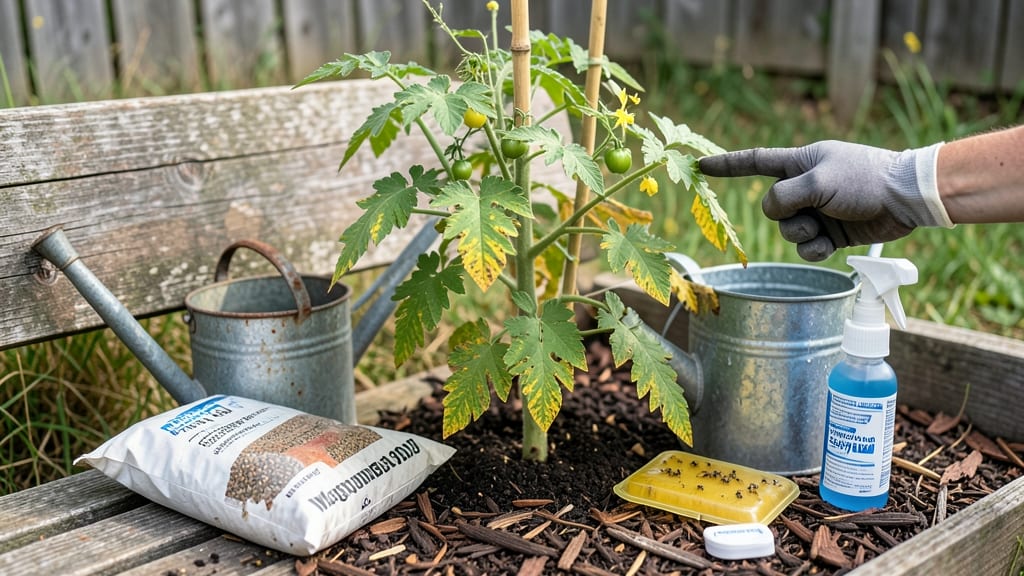
What causes yellowing of tomato leaves can turn your harvest dreams into a frustrating mystery—until you know the three most common culprits behind the color change. 🌱 I’ve seen this problem ruin entire seasons, but the fixes are simpler than you’d think once you spot the right clues in the leaves. The most likely causes are overwatering (leaves turn yellow and mushy), nutrient deficiencies (especially nitrogen or magnesium), or early blight (yellowing with brown spots). Each leaves distinct visual hints, and I’ll show you how to tell them apart in just a few seconds. With the right adjustments—like cutting back on water, adding compost, or applying neem oil—your plants bounce back surprisingly fast. I’ve saved dozens of tomato plants this way, and you can too. This guide covers everything from quick fixes to long-term prevention, so you’ll know exactly what to do the next time you spot those first yellow leaves.
Root Causes of Leaf Yellowing
Tomato leaves turning yellow isn’t just a cosmetic issue—it’s a cry for help from your plant. Understanding the why behind this symptom is the first step to saving your harvest. Below, we break down the most common culprits, explained in plain terms with science-backed insights.
Yellowing leaves often start at the bottom of the plant and spread upward if the roots are drowning. Overwatering disrupts oxygen flow to the roots, leading to root rot—a fungal infection that blocks nutrient uptake. Tomatoes thrive in well-draining soil with moisture but hate soggy conditions.
Why it happens:
- Excess water displaces oxygen in the soil, suffocating roots.
- Compacted or clay-heavy soil traps moisture, accelerating rot.
- Lack of drainage holes in containers forces water to pool at the roots.
Actionable clue: Check the soil—if it smells sour or feels mushy, you’re overwatering.
Tomatoes are heavy feeders, and yellowing leaves often signal a lack of essential nutrients.
The most common deficiencies manifest as: - Nitrogen deficiency (lower leaves yellow first): Leaves lose their deep green color, turning pale or yellow. - Magnesium deficiency (interveinal chlorosis): Yellow patches appear between leaf veins, often on older leaves. - Iron deficiency (young leaves yellow): New growth turns yellow while veins stay green.
Why it happens:
- Soil depletion from repeated harvests without replenishment.
- Improper pH levels (tomatoes prefer 6.0–6.8; acidic or alkaline soil locks out nutrients).
- Imbalanced fertilizer use (too much nitrogen without potassium or phosphorus throws off the plant’s chemistry).
Actionable clue: Test your soil’s pH and nutrient levels with a DIY kit or send a sample to a local extension office.
Not all yellowing is environmental—some of the worst offenders are hidden invaders.
Here’s what to watch for: - Spider mites or aphids: These sap-sucking pests drain chlorophyll, causing leaves to yellow and curl. - Early blight or septoria leaf spot: Fungal diseases create yellow halos around brown spots, often on lower leaves. - Verticillium or fusarium wilt: Soil-borne fungi that clog the plant’s vascular system, leading to sudden wilting and yellowing (often starting on one side).
Why it happens:
- Weakened plants (from stress, poor soil, or overcrowding) are easier targets.
- High humidity or poor airflow between plants creates ideal conditions for fungal spread.
- Contaminated soil or tools can introduce pathogens from previous crops.
Actionable clue: Inspect the undersides of leaves for tiny webs (mites) or dark spots (fungus). Isolate affected plants to prevent spread.
Tomatoes are sensitive to temperature swings, wind, and light exposure. Yellowing can be a stress response when conditions are less than ideal.
Why it happens:
- Heat stress: Temperatures above 90°F (32°C) cause sunscald—leaves turn yellow and crispy, especially on the south or west side of the plant.
- Cold damage: Frosts or chilly nights (below 50°F/10°C) shock the plant, leading to yellowing and blackened edges.
- Windburn: Strong winds dry out leaves, causing yellowing and browning, particularly on exposed plants.
- Light deprivation: Shady spots or overcrowded plants stretch for light, leading to pale, weak leaves.
Actionable clue: Monitor your plant’s microclimate—use shade cloth in peak sun or mulch to regulate soil temperature.
Not all yellowing is a red flag! Older leaves naturally yellow and drop as the plant redirects energy to fruiting and new growth.
This is normal—and even beneficial—if: - Only the lowest 1–2 leaves are affected. - The rest of the plant looks healthy and green. - It happens gradually over weeks, not suddenly.
Why it happens:
- Tomatoes are determinate (bush-type) or indeterminate (vining). Both prioritize fruit production over leaf maintenance as they mature.
- The plant recycles nutrients from old leaves to support flowers and tomatoes.
Actionable clue: If only a few bottom leaves are yellowing and the plant is thriving, no action is needed—prune them to improve airflow.
How to Fix Yellowing Tomato Leaves
Yellowing tomato leaves can be frustrating, but the good news is that most issues are fixable with the right approach. Below, we’ve mapped out practical solutions for each common cause, along with prevention tips to keep your tomato plants thriving.
Let’s turn those sad, yellowing leaves into lush, green foliage again!
Problem: Waterlogged soil starves roots of oxygen, leading to yellowing and wilting.
How to Fix It: 🔥 Adjust Your Watering Routine
- Let the top 1–2 inches of soil dry out between waterings. Stick your finger in the soil—if it’s damp, wait a day.
- Water deeply but less frequently (1–1.5 inches per week, depending on climate). Early morning is best to prevent fungal growth.
🍳 Improve Soil Drainage
- Mix in compost or perlite (10–20%) to loosen heavy clay soil.
- If your container lacks drainage holes, add a layer of gravel at the bottom before repotting.
👨🍳 Check Your Containers
- Ensure pots have drainage holes—no exceptions! If repotting, choose terracotta or fabric pots for better airflow.
🥘 Prevention Tips:
- Use a moisture meter to track soil dampness.
- Avoid watering leaves (use a soaker hose or drip irrigation).
- Mulch around the base (2–3 inches of straw or wood chips) to retain moisture without over-saturating.
Problem: Yellowing leaves (especially lower ones) often signal a lack of nitrogen, magnesium, or iron.
How to Fix It: 🔥 Test Your Soil
- Grab a DIY soil test kit (or send a sample to a local extension office). pH imbalances (too acidic/alkaline) block nutrient uptake.
🍳 Fix Nitrogen Deficiency (Yellow Lower Leaves)
- Add compost or aged manure around the base (avoid fresh manure—it burns roots).
- Use a balanced fertilizer (10-10-10 or 5-5-5) every 2–3 weeks during growing season.
👨🍳 Fix Magnesium Deficiency (Yellow Edges or Spots)
- Epsom salt solution: Mix 1 tablespoon of Epsom salt per gallon of water and spray on leaves once a week for 3–4 weeks.
- Crushed eggshells (dried and ground) can also help over time.
🥘 Fix Iron Deficiency (Yellow New Leaves)
- Iron chelate (available at garden centers) is the fastest fix—follow package instructions.
- Lime (for acidic soil) or sulfur (for alkaline soil) can adjust pH naturally.
🎯 Prevention Tips:
- Rotate crops every 2–3 years to replenish soil nutrients.
- Use organic matter (compost, worm castings) yearly to boost soil health.
- Avoid over-fertilizing—more isn’t better! Follow package rates.
Problem: Spider mites, aphids, or fungal diseases (like early blight) cause yellowing, spots, or stunted growth.
How to Fix It: 🔥 Spot and Treat Pests
- Spider mites: Spray leaves with neem oil (1 tsp per quart of water + a drop of dish soap) every 5–7 days.
- Aphids: Blast off with a strong stream of water or use insecticidal soap.
- Check undersides of leaves daily—early action prevents spread!
🍳 Fight Fungal Diseases
- Remove infected leaves immediately and dispose of them (don’t compost).
- Apply copper fungicide (follow label) or a baking soda spray (1 tsp baking soda + 1 quart water + a drop of soap).
👨🍳 Prevent Future Outbreaks
- Space plants 18–24 inches apart for airflow.
- Water at the base (avoid wetting foliage).
- Rotate crops annually to break disease cycles.
🥘 Prevention Tips:
- Start with disease-resistant varieties (e.g., ‘Celebrity’ or ‘Mountain Merit’ tomatoes).
- Solarize soil in spring (cover with clear plastic for 4–6 weeks) to kill pathogens.
- Crop rotation with non-nightshade plants (like beans or lettuce) reduces soil-borne diseases.
- Prune damaged leaves to redirect energy to healthy growth.
- Boost humidity (for container plants) with a pebble tray under the pot.
- Mulch heavily to retain moisture and cool roots in hot weather.
Remember: Consistency is key! Monitor your plants weekly, adjust care as needed, and soon you’ll have vibrant, productive tomatoes instead of yellowing leaves. Happy gardening! 🍅🌿
Frequently asked questions
Why do my tomato leaves turn yellow first at the bottom?
This is often a sign of overwatering or nutrient deficiency. When roots can't absorb enough oxygen (from soggy soil), they struggle to deliver nutrients, causing lower leaves to yellow first. It can also indicate magnesium deficiency—check for yellow patches between veins on older leaves.
Can yellow tomato leaves spread to the fruit?
Not directly, but severe stress (like nutrient deficiencies or disease) can reduce fruit quality. If leaves are yellow due to pests or fungal issues, those pathogens may spread to stems and fruit if untreated. Always address the root cause to protect your harvest.
How do I tell if yellow leaves are normal aging vs. a problem?
Normal aging affects only 1-2 bottom leaves gradually, while problem yellowing spreads upward or appears suddenly. Healthy plants keep vibrant green leaves above the yellow ones. If you see spots, curling, or wilting, it's definitely a stress signal.
Will pruning yellow leaves help my tomato plant?
Yes, but only if the yellowing is localized and not widespread. Prune only affected leaves to improve airflow and redirect energy to healthy growth. Avoid heavy pruning during flowering/fruiting—focus on removing diseased or pest-infested leaves first.
Can I save my tomato plant if most leaves are yellow?
It depends! If the yellowing is from overwatering or nutrient issues, you may recover with proper care. But if it's fungal wilt (like verticillium) or severe pest damage, the plant may not survive. Act fast—cut back on water, add compost, and treat pests immediately.