
Vegetables
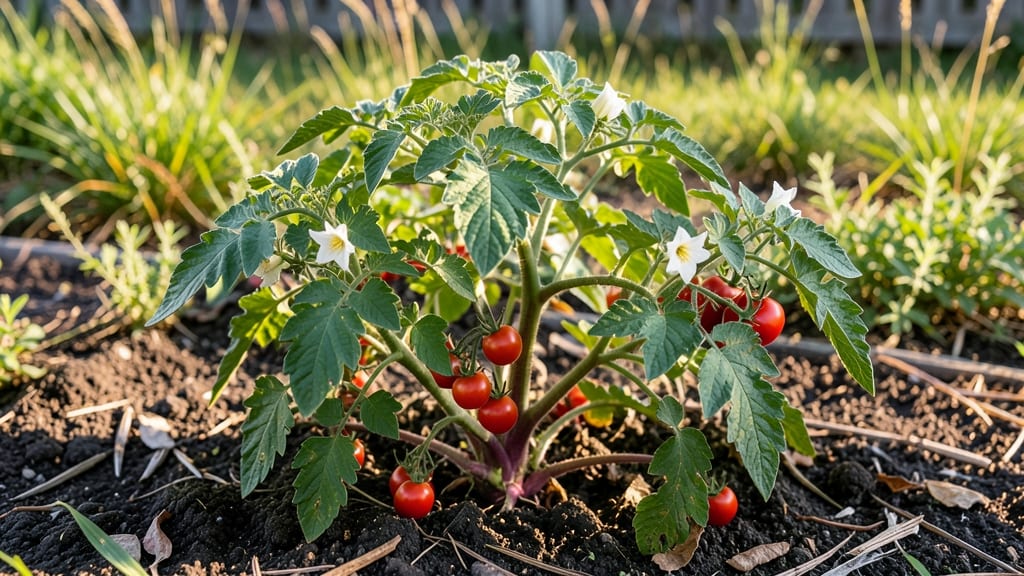
Understanding cherry tomato growth stages turns a guessing game into a predictable harvest. 🌱 From the first green shoot to your first sweet bite, each phase needs specific care—and I’ll walk you through every milestone so you don’t miss a thing.
The journey starts with germination (7-14 days), where tiny roots break through the soil, followed by the seedling stage where true leaves unfurl. This is when you’ll notice those first lobed leaves—a sure sign your plant is ready to stretch toward the sun.
Prune early suckers now to encourage strong stems. By week 6, you’ll see flower clusters forming, then tiny green tomatoes swelling on the vine. This is when consistent watering and even sunlight become critical—too much shade or uneven moisture means cracked fruit or blossom-end rot.
Watch for pests like aphids, too; they love new growth. Harvest begins around week 8, but don’t rush it—cherry tomatoes ripen faster than beefsteaks and turn deep red in just days. Pinch off overripe ones to keep the plant producing, and you’ll enjoy a continuous supply all season long.
📚 In This Guide
- What you need
- Instructions
- Tips and common mistakes
- Wrapping up and next steps
What you need
- ● Cherry tomato seeds: Choose disease-resistant varieties like 'Sweet 100,' 'Sun Gold,' or 'Tiny Tim' (50-100 seeds for a small garden).
- ● Seed-starting mix: 10-15 lbs of sterile, well-draining potting soil (avoid garden soil—it’s too dense!).
- ● Seed trays or small pots: 2-3 inch pots or a seed tray with individual cells (10-20 units).
- ● Grow lights or sunny windowsill: A full-spectrum LED grow light (12-16 hours/day) or a south-facing window.
- ● Fertilizer: Balanced organic fertilizer (5-5-5 or 10-10-10 NPK ratio) or compost tea for seedlings.
- ● Watering can or spray bottle: With a fine mist setting for gentle watering.
- ● Transplant containers: 4-6 inch pots or biodegradable peat pots (20-30 units) for hardening off.
- ● Garden soil or raised bed mix: 1-2 cubic yards of nutrient-rich, well-draining soil (amend with compost or aged manure).
- ● Support structures: 5-6 foot tall tomato cages, stakes, or trellises (1 per plant).
- ● Mulch: Straw or shredded leaves (2-3 inches) to retain moisture and suppress weeds.
- ● Hand trowel or small shovel: For transplanting seedlings.
- ● Pruning shears: To trim suckers and encourage bushier growth.
- ● pH test kit: To ensure soil pH is between 6.0-6.8 (ideal for tomatoes).
- ○ Thermometer (optional): For monitoring soil and air temperatures.
- ○ Row cover or frost cloth (optional): To protect young plants from cold snaps.
- ● Warmth: Cherry tomatoes thrive in temperatures between 70-85°F (21-29°C). Start seeds indoors 6-8 weeks before the last frost date.
- ● Sunlight: At least 6-8 hours of direct sunlight daily (more is better!).
- ● Space: Plant seeds 1-2 inches apart in trays, then space mature plants 18-24 inches apart in the garden.
- ● Patience: Cherry tomatoes take 50-70 days to mature from transplanting!
Cherry tomato growth stages: step-by-step development guide
Watch your plants transform through distinct phases—each brings its own rewards and challenges.
🌱 Step 1: Germination (Days 1-14)
After planting seeds ¼ inch deep in warm soil (75-85°F), keep the surface consistently moist but never soggy. You'll notice the first tiny sprouts breaking through the soil in 5-10 days, though cooler rooms may take 12-14 days. These initial leaves are called cotyledons—the plant's first true energy source.
Once 50% of seeds have sprouted, remove any plastic wrap or humidity dome immediately. Trapped moisture invites damping-off disease, which collapses seedlings overnight. Thin to your strongest sprout if you planted multiple seeds per cell—crowded seedlings compete for light and nutrients.
🌿 Step 2: Seedling Stage (Weeks 2-4)
True leaves appear after the cotyledons (10-14 days total), signaling the plant's main photosynthesis engine is online. This is when you'll see deep green, serrated leaves forming along the main stem. Provide 14-16 hours of light daily—without it, seedlings stretch leggily toward any available source.
Water when the top inch of soil feels dry (usually every 2-3 days), but avoid wetting the leaves to prevent fungal diseases. Fertilize lightly with a balanced 10-10-10 solution at half-strength when the first true leaves appear. Over-fertilizing now burns tender roots.
☀️ Step 3: Vegetative Growth (Weeks 4-6)
The plant enters rapid growth mode, developing secondary stems and bushier foliage. You'll notice flower buds forming in the leaf axils around week 5, though they may drop if nights are too cool (below 55°F). This is when staking becomes critical—support the main stem before it topples under its own weight.
Pinch off any flowers that appear now unless you're in a short growing season—letting them set fruit too early diverts energy from root and stem development. Increase fertilizer to full strength when you see 4-5 sets of true leaves, focusing on phosphorus and potassium to encourage flowering.
🌸 Step 4: Flowering (Weeks 6-7)
Clustered yellow flowers appear along the stems, signaling the plant's shift to fruit production. Each flower has both male and female parts—the female is the tiny bump at the base where the fruit will form. Hand-pollinate on cloudy days by gently shaking the stems to release pollen.
Water at the base in the morning to prevent fungal issues, and maintain consistent moisture—fluctuations cause blossom-end rot later. You'll see tiny green tomatoes appear 7-10 days after flowering, starting at the bottom of the plant and working upward.
🍅 Step 5: Fruiting and Maturity (Weeks 7-8+)
Harvest begins when cherry tomatoes reach full color (red, yellow, or purple depending on variety) and are plump but firm. Pick in the morning when sugars are highest. You'll notice new flowers forming continuously—prune suckers (shoots between main stem and branches) to redirect energy to fruit production.
Continue fertilizing with a low-nitrogen, high-potassium blend to extend the harvest. In cool climates, protect plants with frost cloth at night to preserve fruit set. A single healthy plant can produce 20-30 pounds of tomatoes over the season if given proper care at each stage.
Tips & tricks for perfect cherry tomato cultivation
Growing cherry tomatoes from seed to harvest is incredibly rewarding when you know these key tricks that make all the difference.
Temperature Matters: Maintain soil temperatures between 75-85°F during germination—this is non-negotiable for consistent sprouting. I've seen seeds fail to sprout when soil was below 70°F, even with perfect moisture. Use a seedling heat mat if your growing space stays cooler than this range. Once plants reach the flowering stage, protect them from nights below 55°F—cold snaps can cause flowers to drop before setting fruit.
Lighting Secret: Those 14-16 hours of light daily during the seedling stage are crucial for preventing leggy, weak plants. I use a simple LED grow light on a timer for my seedlings, positioned just a few inches above the plants. If you notice seedlings stretching toward the light source, they need more intensity or longer exposure. Rotate your trays daily for even growth—plants will lean toward the light source.
Watering Wisdom: The top inch of soil should guide your watering schedule, but timing matters just as much. Always water in the morning so foliage has time to dry before evening—this simple habit prevents fungal diseases like early blight. I use a moisture meter to check soil moisture, especially during the fruiting stage when inconsistent watering causes blossom-end rot. A drip irrigation system on a timer works wonders for maintaining consistent moisture without overwatering.
Fertilizing Strategy: That first half-strength application of 10-10-10 fertilizer when true leaves appear is your plant's first real nutrient boost. I switch to a low-nitrogen, high-potassium blend once flowering begins to encourage fruit production rather than leaf growth. A key trick: mix your fertilizer with water and apply it directly to the soil—not the leaves—to prevent burning tender foliage. Over-fertilizing at any stage stresses plants and can actually reduce yields.
Pro Tips for Cherry Tomato Growth Stages
- Growing cherry tomatoes from seed to harvest is incredibly rewarding when you know these key tricks that make all the difference.
- Temperature Matters: Maintain soil temperatures between 75-85°F during germination—this is non-negotiable for consistent sprouting.
- Lighting Secret: Those 14-16 hours of light daily during the seedling stage are crucial for preventing leggy, weak plants.
Frequently asked questions
Got questions about growing cherry tomatoes?
You’re not alone! Here are answers to the most common queries about their growth stages—from seed to harvest—so you can grow a thriving vine with confidence.
How long does it take for cherry tomato seeds to germinate?
Cherry tomato seeds typically germinate in 5–14 days after sowing, depending on soil temperature and moisture. Keep the soil consistently warm (around 70–85°F) and damp for the best results. If seeds don’t sprout within 2 weeks, they may need more warmth or freshness.
When should I transplant cherry tomato seedlings outdoors?
Transplant seedlings outdoors after the last frost and when nighttime temperatures stay above 50°F. Seedlings should be 4–6 inches tall with 2–3 true leaves before moving them. Harden them off for 7–10 days first by gradually exposing them to outdoor conditions.
Why are my cherry tomato plants flowering but not fruiting?
If your plants have flowers but no fruit, check for these issues:
- Lack of pollinators: Hand-pollinate with a small brush or gently shake plants.
- Temperature stress: Tomatoes need 55–85°F for pollination.
- Nutrient deficiency: Add a balanced fertilizer (like 10-10-10) if leaves look pale.
- Overwatering: Too much water can wash away pollen.
Can cherry tomatoes grow in containers, and what’s the best pot size?
Yes! Cherry tomatoes thrive in containers, but choose a pot at least 5 gallons per plant (bigger is better for dwarf varieties). Ensure it has drainage holes and use a lightweight, well-draining potting mix. Place containers in full sun (6–8 hours/day) and fertilize regularly for best results.
What are the signs of overwatering or underwatering in cherry tomatoes?
| Overwatering | Underwatering |
|---|---|
|
|
Adjust watering to keep soil consistently moist but not soggy. Mulch helps retain moisture!
Wrapping up and next steps
Growing cherry tomatoes from seed to harvest is a rewarding journey filled with color, flavor, and freshness! By understanding the 8 key stages—from germination to fruiting—you’ll set your plants up for success.
With the right care, patience, and a little green thumb love, you’ll soon be enjoying bursting, sweet tomatoes in just 8 weeks.
Ready to dive in? Start by gathering your supplies, then plant those seeds—your future harvest is waiting! 🌱✨