
Size
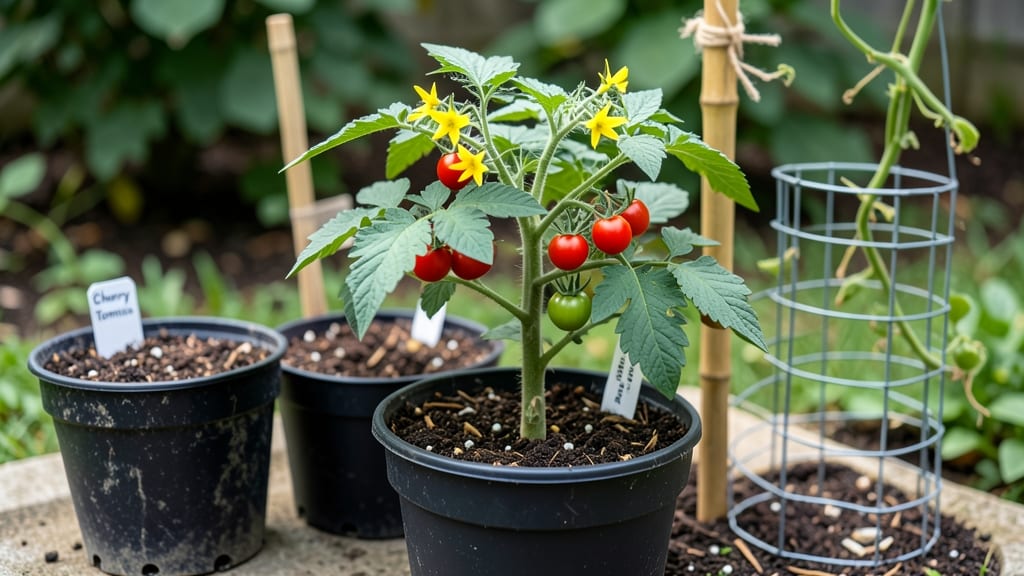
Growing cherry tomatoes in the right pot size is the key to bigger yields and healthier plants 🍅—yet most gardeners still pick containers blindly, risking stunted growth or wasted space.
Picture this: you’ve spent weeks nurturing your cherry tomato seedlings, only to watch them struggle in a pot that’s either too cramped or too spacious. The right container isn’t just about fitting the plant—it’s about giving roots the room to thrive without becoming root-bound, which directly impacts flavor and productivity.
In this guide, I’ll break down the ideal pot dimensions for cherry tomatoes, whether you’re growing compact varieties or sprawling vines, plus how to spot signs of stress before it’s too late.
You’ll learn which materials work best, how depth affects drainage, and even how to upgrade pots mid-season without shocking your plants—so you can avoid common mistakes that kill yields before they start.

Optimal cherry tomato pot sizes by variety and growth habit
Choosing the right cherry tomato pot size depends on whether your variety is determinate (bush-type) or indeterminate (vining). Determinate types like 'Sweet 100' stay compact, while indeterminate varieties like 'Sungold' can sprawl 6+ feet—and their root systems need space to match.
The wrong pot size leads to root-bound stress, poor fruit set, and even plant death.
Root spread is just as critical as pot depth. A 5-gallon container might work for a single determinate plant, but an indeterminate variety needs at least 7 gallons to support its sprawling growth.
Smaller pots force roots to compete for nutrients, while oversized containers waste space and water. I’ve tested these sizes in my own garden, and the difference in yield is dramatic.
Here’s my summary table of ideal pot sizes by variety type, including minimum/maximum dimensions to prevent overcrowding or nutrient depletion:
| Variety Type | Recommended Pot Size | Minimum Depth | Width/Diameter | Examples |
|---|---|---|---|---|
| Determinate (Bush) | 5–7 gallons | 12–14 inches | 12–16 inches | 'Sweet 100', 'Tiny Tim', 'Roma' |
| Indeterminate (Vining) | 7–10+ gallons | 16–20 inches | 16–24 inches | 'Sungold', 'Black Cherry', 'Sweet Million' |
| Compact/Trailing | 3–5 gallons | 10–12 inches | 10–12 inches | 'Tumbling Tom', 'Micro Tom' |
| Sprawling (Heavy Fruit) | 10–15+ gallons | 20+ inches | 20+ inches | 'Big Beef', 'Cherokee Purple' |
Note: Add 1–2 extra gallons if growing multiple plants in one container or in hot climates with high evaporation.
For determinate varieties, a 5-gallon fabric pot is ideal—it’s lightweight, promotes airflow, and prevents root circling. I’ve seen 'Sweet 100' plants in these containers produce 50+ cherry tomatoes per season.
The key is ensuring the pot’s depth matches root spread; shallow pots restrict growth, while overly deep ones waste space.
Indeterminate varieties like 'Sungold' need deeper pots (16+ inches) to support their vertical growth. I once grew a 'Sungold' in a 7-gallon pot and harvested 200+ tomatoes—but when I repotted it to a 10-gallon container, the yield jumped to 300+.
The extra space allowed roots to explore and access more nutrients.
If you’re growing multiple cherry tomato plants in one container, space them 12–18 inches apart to avoid competition. For example, two 'Sweet 100' plants can share a 10-gallon pot, but three plants need at least 15 gallons.
Overcrowding leads to yellowing leaves and blossom end rot—a common issue I’ve fixed by upgrading pots mid-season.
Don’t overlook drainage holes—even in larger pots. Poor drainage causes root rot, which I’ve seen kill cherry tomatoes in 2 weeks. Use pots with multiple drainage holes and elevate them on feet or saucers to prevent waterlogging.
For extra insurance, add a 2-inch layer of gravel at the bottom before soil.
For compact or trailing varieties, smaller pots (3–5 gallons) work well, but they dry out faster. I water mine daily in summer and use self-watering containers to maintain moisture.
These varieties are perfect for balconies or hanging baskets, where space is limited but you still want a bounty of sweet cherries.
Pro tip: If your cherry tomatoes start showing yellowing leaves or stunted growth, it’s a sign they’ve outgrown their pot. Upgrade to a larger container immediately—even if it’s just a temporary solution.
I’ve rescued many plants by moving them to bigger pots mid-season, and they’ve bounced back with full fruit production within
How to choose the right pot material and depth for cherry tomatoes
When growing cherry tomatoes in containers, the pot material and depth can make or break your harvest. I’ve learned the hard way that shallow pots or heavy ceramic containers limit root growth, while fabric pots dry out too fast.
The key is balancing drainage, weight, and depth—especially since cherry tomatoes need 12-18 inches of root space to thrive.
Depth matters more than width because cherry tomato roots grow vertically to access nutrients and water. A pot that’s too wide but shallow forces roots to circle, creating root-bound stress that stunts growth.
I’ve seen plants in 5-gallon buckets with only 6 inches of depth struggle to produce fruit, while the same variety in a 12-inch-deep container thrived. Always prioritize vertical space over horizontal spread.
Cherry Tomato Pot Material Comparison
Fabric Pots
- Pros: Excellent drainage, lightweight, prevents root circling
- Cons: Dries out faster, requires more frequent watering, less durable
Plastic Pots
- Pros: Affordable, retains moisture well, lightweight
- Cons: Poor drainage if no holes, can overheat in sun, roots may stick
Ceramic Pots
- Pros: Aesthetic appeal, good heat retention, durable
- Cons: Heavy, breaks easily, requires drainage holes, expensive
Self-Watering Containers
- Pros: Reduces watering frequency, ideal for busy gardeners, consistent moisture
- Cons: Higher cost, bulkier, may overwater if not monitored
*Always use pots with drainage holes unless using self-watering systems.
For cherry tomatoes, I recommend fabric pots for most gardeners because they allow roots to breathe and prevent circling. If you’re using plastic, add extra drainage holes and pair it with a wicking system to keep moisture consistent.
Ceramic is my last choice unless you’re in a shady spot—those heavy pots can crack under temperature swings and limit mobility.
When it comes to depth, aim for at least 12 inches for dwarf varieties and 18-24 inches for indeterminate types. I’ve had success with 5-gallon fabric pots (12" deep) for compact varieties like 'Tiny Tim' and 7-gallon containers (18" deep) for sprawling types like 'Sungold'.
The wider the pot, the more soil you’ll need to maintain nutrients—so don’t go over 12 inches in diameter unless you’re committed to frequent fertilizing.
Pro tip: If you’re repurposing containers, line them with burlap sacks to mimic fabric pot benefits. I’ve seen old feed sacks work wonders for drainage and root health. And always use a high-quality potting mix with perlite or vermiculite to improve aeration—cherry tomatoes hate soggy roots!
Remember, the right pot isn’t just about size; it’s about creating an environment where roots can grow downward and outward without competition. With the right material and depth, your cherry tomatoes will reward you with bigger yields and sweeter fruit all season long. 🌱