
Vegetables
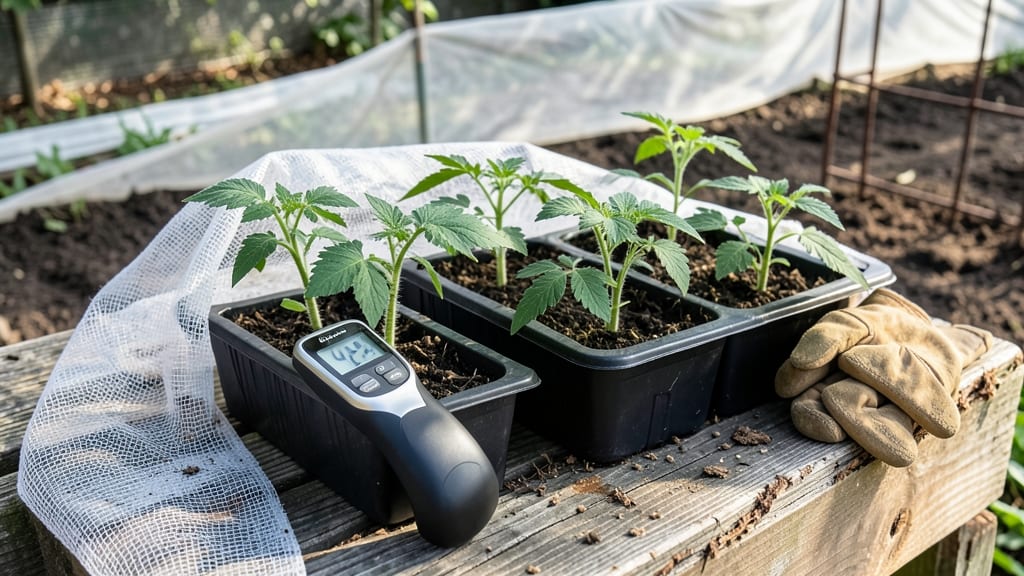
Tomato seedlings can't handle cold—the lowest temperature for tomato seedlings they can tolerate is around 50°F, and anything under 40°F will stall or kill them. 🌱 I learned this the hard way when my first seedlings turned into sad, leggy sticks after a late spring frost.
The good news? With the right timing and protection, you can push those limits and get a head start on the season.
Germination needs warmth—70-85°F is ideal—but seedlings can survive brief dips into the 40s if they're hardened off first. That's why I start mine indoors under grow lights, then gradually expose them to cooler outdoor temps over 10-14 days before planting.
In cooler zones (like USDA 4-6), this gives you a 3-4 week advantage over direct sowing.
What you'll end up with is sturdy, dark-green seedlings that bounce back from chilly nights instead of wilting into sad, stunted plants. The key is watching for purple stems (a sign of stress) and yellowing leaves—both mean it's too cold.
With proper protection (like row covers or cold frames), you can safely plant out 2-3 weeks earlier than the traditional last-frost date.
This works whether you're in a short-season zone or just want to beat the heat of summer planting. The same principles apply to peppers and eggplants too—just adjust the timing based on your local frost dates. Let's get those seedlings off to the right start!
📚 In This Guide
- What you need
- Instructions
- Tips and common mistakes
- Wrapping up and next steps
What you need
- ● Seedlings: 4–6-week-old tomato seedlings (choose cold-hardy varieties like 'Stupice' or 'Tyee' for extra resilience).
- ● Grow Lights or Sunlight: 12–16 hours of light daily (LED grow lights or a sunny windowsill/south-facing spot).
- ● Heat Mat or Heated Seedling Pad: 1 pad (70–75°F range) to maintain root warmth.
- ● Plastic Domes or Clear Plastic Wrap: 1–2 (to trap heat and humidity).
- ● Thermometer: 1 digital probe thermometer (to monitor soil/air temps, ideally 60–75°F for seedlings).
- ● Containers: 4–6 small pots (3–4 inches deep) with drainage holes or a seedling tray.
- ● Potting Mix: 1 bag of seed-starting mix (sterile, well-draining, and peat-based).
- ● Watering Can or Spray Bottle: 1 (with room-temperature water).
- ● Fertilizer: 1 bottle of balanced, water-soluble fertilizer (5-10-5 or 10-10-10, diluted to ½ strength).
- ● Insulated Grow Tent: 1 (to create a microclimate and block cold drafts).
- ● Space Heater (Safe for Indoor Use): 1 (set to low, with a thermostat to avoid overheating).
- ● Fan: 1 small oscillating fan (to prevent damping-off by improving air circulation).
- ● Cold Frame or Mini Greenhouse: 1 (for outdoor seedlings in mild climates).
- ● Seedling Heat Cable: 1 (for buried warmth in outdoor beds).
How to protect tomato seedlings from cold temperatures
Here’s how to keep your seedlings thriving even when nighttime temps drop unexpectedly.
🌱 Step 1: Understand Tomato Seedlings’ Cold Tolerance Limits
Tomato seedlings can handle brief dips to 40°F without permanent damage, but prolonged exposure below 50°F stresses them severely. The critical threshold is 45°F—below this, growth stalls, and roots become sluggish. Watch for wilting or purple-tinged leaves, which signal cold shock.
Seedlings at the 2-4 leaf stage are most vulnerable. If nighttime forecasts drop near 40°F, act immediately. I’ve seen seedlings recover from single nights at 40°F but never from multiple nights below 45°F without protection.
☀️ Step 2: Use Temporary Row Covers or Cloches for Nighttime Protection
Lightweight frost blankets or plastic cloches raise soil temperatures by 5-10°F and shield seedlings from wind chill. Secure the cover with U-shaped clips or bricks to prevent contact with leaves, which can cause mold. Remove covers by 10 AM to allow airflow and prevent overheating.
For 40-45°F nights, a single layer suffices. Below 40°F, double-layer covers or a mini greenhouse tent (like a clear plastic dome) adds critical insulation. I’ve used old plastic storage bins cut in half—cheap and effective for 4-6 seedlings.
⏰ Step 3: Adjust Watering to Prevent Cold-Related Stress
Cold soil slows water absorption, so reduce watering frequency by 30-50% when temps drop below 50°F. Water deeply only when the top 2 inches of soil feel dry—overwatering in cold temps suffocates roots. Use a soaker hose or drip irrigation to avoid wetting leaves, which magnifies cold damage.
Morning is the best time to water in cold weather. The sun warms the soil slightly, helping roots absorb moisture before evening chill sets in. If leaves feel crispy in the morning, you’ve overwatered—tomatoes in cold soil can’t compensate.
🌿 Step 4: Harden Off Seedlings Gradually Before Transplanting
Even chill-resistant seedlings need 7-10 days of hardening off before facing 50°F nights outdoors. Start by moving them to a sheltered spot for 2 hours daily, then increase exposure by 1 hour each day. Watch for yellowing leaves or stunted growth—signs they’re not ready.
Transplant only when nighttime temps stay above 55°F. I’ve learned the hard way that rushing seedlings into cold soil—even with protection—leads to poor root establishment. A black plastic mulch around plants adds 2-3°F of warmth at soil level, giving roots a fighting chance.
✂️ Step 5: Prune and Protect Established Plants in Late Spring Dips
If mature tomato plants face unexpected 40°F nights, prune lower leaves to 6 inches above soil level to reduce cold exposure. Apply mulch immediately to insulate roots. For container-grown tomatoes, move pots to a protected south-facing wall or under a cloche.
Never use row covers on mature plants—trapped humidity invites fungal diseases. Instead, focus on soil insulation and windbreaks. I’ve saved entire plants this way during late spring cold snaps, even when forecasts promised warmth.
Tips & tricks for protecting tomato seedlings in cold weather
Cold snaps can turn your tender seedlings into sad, stunted plants—but these tricks will help you keep them thriving even when temps drop.
Temperature Thresholds: The 45°F threshold is your critical benchmark. While seedlings might survive a single night at 40°F, prolonged exposure below this causes irreversible damage. Use a minimum-maximum thermometer near your seedlings to track overnight lows—this helps you decide when to intervene. I’ve seen seedlings recover from 40°F with proper protection, but never from multiple nights below 45°F without it.
Layering Protection: For nights below 40°F, double up on insulation with a combination of row covers and a clear plastic dome. The dome traps radiant heat while the row cover blocks wind chill. Secure everything tightly—even a small gap can let in enough cold air to stress your plants. I’ve used old plastic storage bins cut in half as makeshift cloches for 4-6 seedlings, which work surprisingly well.
Watering Strategy: Cold soil behaves differently than warm soil—it holds moisture longer but absorbs it more slowly. Reduce watering by 30-50% when temps drop below 50°F, and always water in the morning. The sun’s warmth helps roots absorb moisture before evening chill sets in. If leaves feel crispy in the morning, you’ve overwatered—the cold soil can’t compensate for excess moisture.
Harden Off Gradually: The 7-10 day hardening-off period is non-negotiable, especially when nighttime temps hover around 50°F. Start with just 2 hours of outdoor exposure daily, then increase by 1 hour each day. Watch for yellowing leaves or stunted growth—these are clear signs your seedlings aren’t ready for the cold. Rushing this process leads to poor root establishment, and you’ll end up with weak plants that struggle to recover.
Pro Tips for Lowest Temperature For Tomato Seedlings
- Cold snaps can turn your tender seedlings into sad, stunted plants—but these tricks will help you keep them thriving even when temps drop.
- Temperature Thresholds: The 45°F threshold is your critical benchmark.
- Layering Protection: For nights below 40°F, double up on insulation with a combination of row covers and a clear plastic dome.
Frequently asked questions
Got questions about keeping your tomato seedlings cozy in cooler temps? You’re not alone! Here are some common concerns—and straightforward answers—to help your little plants thrive, even when the mercury drops.
What’s the absolute lowest temperature tomato seedlings can handle?
Tomato seedlings typically cannot survive below 32°F (0°C)—frost will kill them outright. However, most seedlings tolerate brief dips to 40–45°F (4–7°C) if protected (e.g., row covers, cold frames). For long-term survival, aim to keep them above 50°F (10°C).
Can I plant tomato seedlings if nighttime temps drop below 50°F (10°C)?
It’s risky! Seedlings planted in below-50°F (10°C) soil may struggle to germinate roots or develop properly. Wait until soil (not air) reaches 60°F (15°C)—use a soil thermometer to check. If you’re impatient, use black plastic mulch or a cloche to warm the ground.
How can I protect seedlings from cold snaps without a greenhouse?
Try these budget-friendly tricks:
- Row covers: Lightweight fabric (like Agribon) traps heat and blocks wind.
- Cold frames: DIY with plexiglass over a wooden box for a mini greenhouse.
- Mulch: Straw or leaves insulate soil and retain warmth.
- Containers: Move pots to a sheltered spot (garage, porch) during frost warnings.
What if my seedlings get chilled but don’t look dead yet?
Watch for signs of recovery:
- Wilted but green leaves? They may bounce back with warmth and water.
- Blackened or mushy stems? Sadly, they’re likely dead—pull and compost them.
- Slow growth? Boost with a balanced fertilizer (10-10-10) and move to a sunnier spot.
Are there cold-hardy tomato varieties I can grow earlier?
Yes! Some varieties tolerate cooler temps better than others. Try:
- ‘Stupice’ (resists down to 36°F/2°C briefly).
- ‘Mountain Merit’ (handles 40°F/4°C better than most).
- ‘Siberian’ (adapted to short seasons and cooler climates).
Wrapping up and next steps
Growing tomato seedlings strong starts with understanding their chill limits—typically 45–50°F (7–10°C) is the sweet spot, but with care, they can brave cooler snaps! 🌱 Whether you’re hardening off seedlings or troubleshooting wilting, remember: patience and preparation are your best tools.
Now that you’re armed with the know-how, it’s time to roll up your sleeves and give those seedlings the cozy, resilient environment they deserve.
👉 Next step: Start monitoring your seedlings’ progress, adjust their growing conditions as needed, and watch them thrive into robust, fruit-bearing plants! Happy gardening! 🌿