
Planting
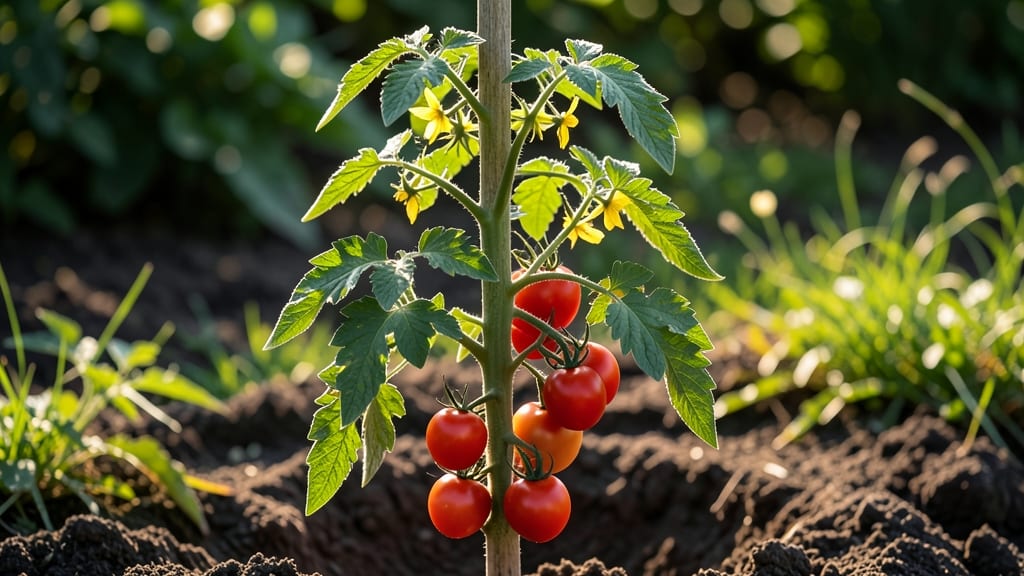
Transforming a small balcony into a high-yield harvest zone starts with the cordon tomato plant—these vertical wonders produce pounds of fruit in spaces where bush varieties would struggle if trained properly.
My first attempt ended with tangled vines and blight, but after refining the method, I now grow enough tomatoes to share with neighbors using just a 4-foot trellis.
The secret lies in three key steps: selecting a disease-resistant variety like 'Cordon Blue', pruning aggressively to encourage upward growth, and providing consistent moisture without soggy soil.
Most gardeners overlook the importance of airflow—crowded plants invite fungal diseases. I learned this the hard way when my first crop developed early blight from overcrowded stems.
By summer's end, you'll have a sturdy, vine-covered trellis bearing clusters of deep purple fruit. The plants stay compact, making harvesting effortless, and the vertical growth maximizes sunlight exposure. Even in partial shade, properly trained cordon tomatoes outperform bush varieties in yield.
Works equally well in containers, raised beds, or directly in the ground. The same principles apply whether you're growing on a city balcony or a rural patio—just adjust trellis height to your space. Here's how to get started without the common pitfalls that ruin first attempts.
📚 In This Guide
- What you need
- Instructions
- Tips and common mistakes
- Wrapping up and next steps
What you need
- ● Cordon Blue Tomato Seeds or Seedlings: 1-2 plants (choose disease-resistant varieties if possible).
- ● Trellis or Support Structure: 1-2 bamboo stakes (5-6 ft tall) or a metal/pvc trellis (6-8 ft high).
- ● Twine or soft plant ties (3-4 ft long)—avoid wire or anything that can cut stems.
- ● Growing Containers or Garden Bed: 1 large pot (12+ inches deep, 12+ inches wide) or a garden bed (18+ inches wide, 12+ inches deep).
- ● Well-draining potting mix (sterilized)—avoid garden soil unless amended.
- ● Fertilizer: 1 balanced fertilizer (10-10-10 or 5-5-5) or compost (aged, 2-3 cups).
- ● Tomato-specific fertilizer (high in potassium and phosphorus) for flowering/fruiting stages.
- ● Watering Supplies: 1 watering can with a rose attachment or a drip irrigation system.
- ● Mulch (straw or shredded leaves) to retain moisture.
- ● Pruning Tools: 1 sharp pruning shears (sterilized with rubbing alcohol).
- ● 1 small hand pruner (for delicate trimming).
- ○ Protective Gear (Optional but Helpful): Garden gloves (to avoid blisters from twine or soil).
- ● Sun hat or shade cloth (for hot climates).
- ● Sunlight: 6-8+ hours of direct sunlight daily—cordon tomatoes are sun-hungry!
- ● Temperature: Warm soil (60°F+) and air temps between 70-85°F.
- ● Spacing: 18-24 inches between plants (if planting multiple).
- ● Drainage: Ensure containers or beds have drainage holes to prevent root rot.
- ● Wind Protection: Shelter from strong winds (trellises can topple!).
- ● 🔥 Test your soil: Aim for a pH of 6.0-6.8. Adjust with lime (to raise pH) or sulfur (to lower it) if needed.
- ● ✨ Start indoors early: Sow seeds 6-8 weeks before last frost for a head start.
- ● 🎯 Hardening off: Acclimate seedlings to outdoor conditions 7-10 days before transplanting.
Step-by-Step instructions for growing a cordon Blue tomato plant
Transform a single tomato plant into a high-yielding vertical wonder with these precise techniques.
Select and Prepare Your Cordon Blue Tomato
Start with a healthy Cordon Blue tomato plant from a reputable nursery or seed packet. This variety thrives when staked and pruned correctly, producing abundant fruit along its main stem. Choose a determinate variety if space is extremely limited, though Cordon Blue is typically indeterminate—meaning it grows continuously until frost. Plant your seedling in well-draining potting mix (or garden soil amended with compost) in a container at least 12 inches deep or directly in the ground where it will receive full sun for at least 6-8 hours daily. The key here is ensuring the root system has room to expand while the plant has vertical support from day one.
If planting in a container, use a 5-gallon pot or larger to accommodate the plant’s eventual height. Fill the container with a balanced fertilizer mix (5-10-10 ratio) to encourage early root and stem development. Water deeply immediately after planting to settle the soil around the roots, but avoid overwatering—this can lead to root rot before the plant establishes itself. You’ll know you’ve done it right when the soil feels evenly moist 1-2 inches below the surface but not saturated.
Install a Sturdy Trellis System
Cordon Blue tomatoes need a strong, vertical support system to prevent sprawling and breakage as the plant grows. Install a tall trellis, bamboo stake, or metal cage at least 6-8 feet high—this variety can easily reach 8 feet if given proper support. Drive the trellis 6 inches deep into the ground or secure it firmly to the container to prevent toppling. For added stability, use two stakes on either side of the plant, tying them together with soft plant ties or old t-shirts to create a sturdy frame. The goal is to mimic the plant’s natural growth habit while keeping it upright and accessible for pruning.
As the plant grows, gently weave the main stem around the trellis or tie it loosely to the support every 12-18 inches. Avoid using wire or tight ties, which can damage the stem as it thickens. Instead, opt for adjustable fabric ties that can be loosened over time. Watch for the first true leaves to appear—this is your cue to begin training the plant upward immediately. If you wait too long, the stem may become too thick or brittle to handle safely.
Prune for Maximum Fruit Production
The secret to a high-yielding cordon tomato lies in strategic pruning. Once the plant reaches 3-4 feet tall, begin pinching off suckers—the small shoots that grow in the leaf axils (where leaves meet the stem). These suckers divert energy away from fruit production, so removing them ensures the plant focuses on developing larger, healthier tomatoes. Use clean, sharp pruners to snip suckers just above the leaf node, being careful not to damage the main stem. You’ll see new growth emerging from the leaf axils—these are the future branches where fruit will form.
Leave one or two strong suckers near the bottom of the plant to encourage bushiness, but remove all others above the first flower cluster. This technique, called topping, helps the plant channel energy into existing fruit rather than producing excess foliage. As the plant grows, continue pruning weekly to maintain an open canopy with good air circulation. This reduces the risk of blight and other diseases, which thrive in dense, humid foliage. You’ll know you’re on the right track when the plant has long, unbroken stems with clusters of flowers forming at regular intervals.
Fertilize and Water for Continuous Bounty
Cordon Blue tomatoes are heavy feeders, so fertilize every 2-3 weeks with a balanced liquid fertilizer (such as 10-10-10) once the plant begins flowering. Reduce nitrogen levels slightly during fruiting to encourage sugar development in the tomatoes—switch to a low-nitrogen, high-phosphorus fertilizer (like 5-10-10) to support flowering and fruit set. Water deeply at the base of the plant 2-3 times per week, ensuring the soil remains consistently moist but not waterlogged. Overwatering can lead to blossom end rot, while underwatering causes fruit to split or remain small.
Mulch around the base of the plant with 2-3 inches of organic mulch (such as straw or shredded leaves) to retain moisture and suppress weeds. Avoid letting mulch touch the stem, as this can encourage rot. You’ll notice the plant’s leaves remain vibrant and turgid, and new flowers continue to form throughout the growing season. If you see yellowing leaves, it’s often a sign of overwatering or nutrient deficiency—adjust your watering schedule or apply a foliar feed to correct the issue promptly.
Harvest and Maintain Through the Season
Begin harvesting Cordon Blue tomatoes when they reach full color and slight softness to the touch. Gently twist the fruit from the vine to avoid damaging the stem. The plant will continue producing new flowers and fruit as long as conditions remain favorable, so keep up with pruning, fertilizing, and watering throughout the season. If frost threatens before the plant has finished producing, harvest green tomatoes and ripen them indoors in a paper bag with a banana to speed up the process using natural ethylene gas.
To extend the harvest, prune back the plant by one-third after the first flush of fruit sets. This encourages a second wave of growth and prevents the plant from becoming overwhelmed by too many tomatoes at once. Keep an eye out for pests like aphids or hornworms, and address them immediately with neem oil or insecticidal soap to protect your yield. With proper care, a single Cordon Blue plant can produce dozens of tomatoes in a small space, making it one of the most rewarding varieties for compact gardens.
Tips & tricks for perfect cordon Blue tomato growth
Here's what I've learned from years of growing these vertical wonders—details that make all the difference between a struggling plant and a tomato bounty.
Support System Stability: When installing your trellis in Step 2, don't skimp on depth. The 6-inch grounding requirement isn't just about preventing toppling—it's about creating a stable anchor that won't shift as the plant grows heavier with fruit. I've seen plants snap their stems when trellises moved during wind or watering. For containers, use heavy-duty zip ties or garden staples to secure the trellis to the pot's sides, creating a three-point support system. This mimics how professional growers reinforce their structures.
Pruning Precision: In Step 3, when pinching those suckers, focus on removing them just above the leaf node where they emerge. This encourages new growth from that node rather than leaving a wound that could invite disease. I learned this the hard way after seeing plants develop weak, leggy growth from improper pruning. Also, make your cuts with clean pruners—sterilize them with rubbing alcohol between plants to prevent spreading any potential pathogens. The goal is to create clean breaks that heal quickly.
Watering Wisdom: The 2-3 times per week watering schedule in Step 4 works best when you water deeply each time. I recommend using a moisture meter to check that the soil stays consistently moist 1-2 inches below the surface—this is more reliable than guessing. Early morning watering prevents fungal issues that can develop from evening moisture on leaves. And here's a pro trick: if you notice the soil drying too quickly, it's often a sign you need to increase your mulch layer to that full 2-3 inches recommendation.
Harvesting Technique: When harvesting in Step 5, that "full color and slight softness" description means the tomato should yield gently when you press your thumb against it. I've found that harvesting at this stage preserves flavor and prevents overripening on the vine. For green tomatoes that need ripening, place them stem-side down in a paper bag with a banana—this creates a mini ethylene chamber that speeds up ripening without over-softening the fruit. Check them daily and remove them once they reach your desired ripeness.
Pro Tips for Cordon Tomato Plant
- Here's what I've learned from years of growing these vertical wonders—details that make all the difference between a struggling plant and a tomato bounty.
- Support System Stability: When installing your trellis in Step 2, don't skimp on depth.
- Pruning Precision: In Step 3, when pinching those suckers, focus on removing them just above the leaf node where they emerge.
Frequently asked questions
What’s the difference between cordon and bush tomatoes?
Cordon tomatoes (like Blue Boy) grow vertically on a single main stem, requiring pruning and trellising to guide their growth upward. Bush tomatoes, on the other hand, grow in a compact, bushy form with multiple stems and no need for support. Cordon varieties save space and often produce larger, more uniform fruit—perfect for small gardens or containers!
When should I start pruning my cordon tomato?
Begin pruning when your plant is about 3–4 feet tall and has set its first few flowers. Remove suckers (the small shoots in the leaf axils) regularly to encourage upward growth. Pro tip: Prune in the morning so wounds have time to heal before evening moisture sets in, reducing disease risk.
Can I grow cordon tomatoes in containers?
Cordon tomatoes thrive in containers as long as the pot is at least 5 gallons and has drainage holes. Use a lightweight potting mix, and stake or cage the plant early. Just ensure it gets 6–8 hours of sunlight daily and water consistently—containers dry out faster than garden beds.
Why are my cordon tomato leaves turning yellow?
Yellowing leaves often signal overwatering, nutrient deficiency, or disease. Check the soil moisture (it should be damp but not soggy) and adjust watering. If the yellowing starts at the bottom of the plant, it might be blight—remove affected leaves and improve airflow. For top yellowing, test your soil for nitrogen or magnesium deficiencies and amend with compost or Epsom salt.
How do I maximize fruit production on a cordon plant?
Focus on three key strategies:
- Prune aggressively to direct energy to fruit, not foliage.
- Fertilize lightly with a balanced 10-10-10 or tomato-specific feed when flowers appear.
- Pollinate by hand if bees are scarce—gently shake the plant or use a small brush to transfer pollen.
Also, pinch off early flowers (the first 2–3 clusters) to boost later harvests.
Wrapping up and next steps
Mastering the art of growing cordon blue tomato plants on a trellis isn’t just about saving space—it’s about unlocking a world of flavor and efficiency in your garden! 🌱 With the right tools, techniques, and a little patience, you’ll enjoy a steady harvest of vibrant, sun-ripened tomatoes, even in the tightest of spaces.
Whether you’re a seasoned gardener or just starting out, this method proves that big yields don’t need big plots.
Now that you’re armed with all the tips and tricks, it’s time to roll up your sleeves and get growing!
Start by selecting your healthiest seedlings, setting up that trellis, and watch as your cordon tomatoes climb toward the sky. Ready to transform your garden? Grab your pruners, mark your calendar for regular maintenance, and enjoy the rewarding journey of homegrown tomatoes—one vine at a time! 🍅✨