
Pests
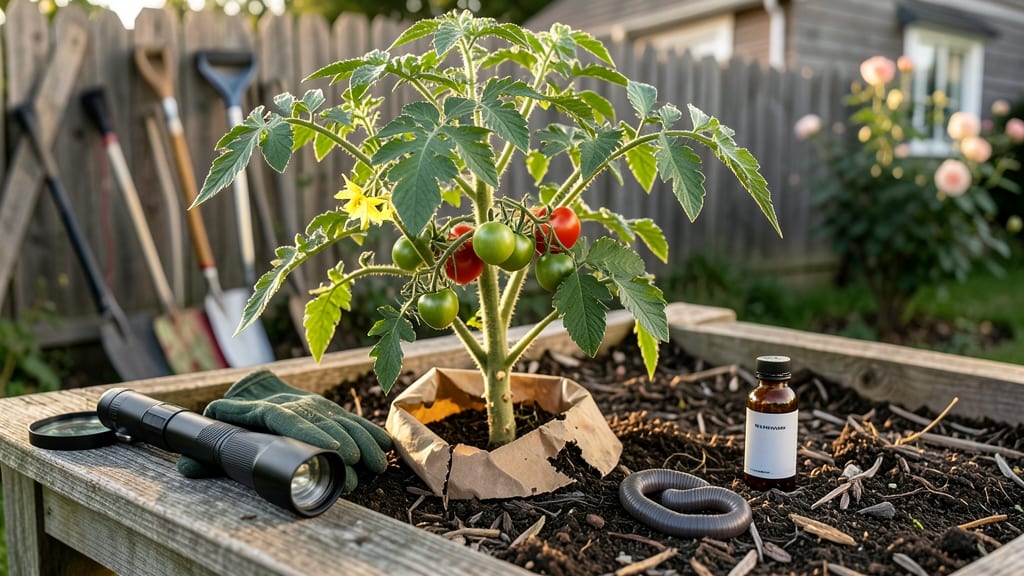
Cutworms on tomato plants can turn a thriving garden into a sad, chewed-up mess overnight. 🌱 Honestly, I’ve lost entire seedlings to these sneaky pests, but I’ve also learned how to stop them fast—without harsh chemicals.
The problem starts at night when these pale, inch-long caterpillars crawl up stems and slice through them like butter. By morning, your tomato plants look like they’ve been attacked by tiny, hungry scissors.
The good news? They’re easy to spot if you know what to look for—silver trails on soil, half-eaten plants, or even the worms themselves hiding under leaves.
With a few simple organic defenses—like handpicking, diatomaceous earth, or companion planting—you can protect your plants in just a few days. I’ve seen gardens go from devastated to thriving in under a week with these methods. The key is acting fast before they multiply.
Whether you’re dealing with a backyard garden, raised beds, or containers, these strategies work everywhere. Let’s get your tomatoes back on track before the next full moon—when cutworms get extra hungry.
The Hidden Triggers Behind Tomato Devastation
Cutworms don’t just appear out of nowhere—they’re drawn to your tomato plants by a mix of environmental factors, plant vulnerabilities, and even your gardening habits. Understanding these causes is the first step to outsmarting them before they chew through your hard work.
Here’s why these sneaky pests target your tomatoes so aggressively.
Cutworms are opportunistic eaters, and overripe or rotting tomatoes (or other garden debris) act like a neon sign saying, “Free buffet here!” When fruit softens and begins to decompose, it releases sugars and organic matter that attract cutworms. These pests don’t just nibble—they swarm to the easiest, most nutritious meal.
Why it matters:
- Sugar magnet: Rotting fruit ferments, producing ethanol and other compounds that cutworms detect from up to three feet away.
- Moisture trap: Decaying organic matter holds moisture, creating the perfect humid microclimate cutworms thrive in.
- Breeding ground: The damp, shaded environment under fallen fruit becomes an ideal nursery for cutworm eggs and larvae.
Actionable fix: Harvest tomatoes promptly and remove any damaged or overripe fruit immediately. If you’re dealing with a heavy infestation, toss debris in sealed bins (not compost piles) to starve the pests.
Cutworms are nocturnal hunters, and they’re most active when three conditions align: cool evenings, high humidity, and darkness. If your garden stays moist after sunset or you’re in a region with frequent fog, you’re basically rolling out the welcome mat for these pests.
Why it matters:
- Temperature sweet spot: Cutworms prefer nights between 60–75°F (15–24°C). Cooler temps slow their predators (like birds and spiders), giving them free rein.
- Humidity boost: Moist soil and air help cutworms climb (yes, they can scale plants!) and retain moisture in their bodies.
- Predator avoidance: Many natural enemies (like parasitic wasps) are inactive at night, leaving cutworms unchecked.
Actionable fix:
- Use reflective mulch (like aluminum foil) around tomato bases to disorient cutworms and deter climbing.
- Install LED night lights near the garden—cutworms avoid bright light, which can reduce their activity.
- Water in the morning to let soil dry by evening, making it less inviting for them.
Cutworms have a thing for young, tender tomato seedlings and transplants. Their soft stems are like a gourmet meal compared to the fibrous stems of mature plants. If you’ve ever noticed your seedlings suddenly wilting or disappearing overnight, cutworms are usually the culprits.
Why it matters:
- Low defenses: Seedlings lack the tough, woody stems of older plants, making them easy to sever with a single bite.
- High nitrogen: Young plants are packed with nitrogen-rich tissues, which cutworms crave.
- Ground-level access: Seedlings sit close to the soil, where cutworms ambush them from below.
Actionable fix:
- Use collars (paper or plastic) around seedlings to create a physical barrier between the stem and soil.
- Apply diatomaceous earth (food-grade) around the base of young plants—it’s harmless to plants but deadly to cutworm skin.
- Transplant seedlings deeper than recommended (burying part of the stem) encourages root growth and makes them less vulnerable.
Cutworms aren’t just eating machines—they’re also master camouflage artists. They hide in dense weeds, leaf litter, or even under mulch during the day, only emerging at night to feast. If your garden is cluttered with organic debris, you’re giving them a free hotel with room service.
Why it matters:
- Shelter from predators: Weeds and mulch create microhabitats where cutworms can hide from birds, toads, and other natural enemies.
- Moisture retention: Dense debris traps humidity, keeping cutworms hydrated and active.
- Easy access to plants: Hiding near tomato plants means less energy wasted traveling to find a meal.
Actionable fix:
- Keep the area around tomato plants clear of weeds and fallen leaves—aim for a 3-foot radius of bare soil or clean mulch.
- Use straw mulch instead of thick layers of wood chips or grass clippings (straw dries faster and cutworms dislike it).
- Inspect under drip irrigation emitters or plant tags—cutworms love to nest there.
Cutworms thrive when conditions are just right—but with a few strategic tweaks, you can tip the scales in your favor. The key is disrupting their comfort zone before they disrupt your harvest.
Practical fixes for chewed tomato plants
Now that you know why cutworms are munching on your tomato plants, let’s tackle the problem with effective, organic solutions that protect your harvest without harsh chemicals. Below, we’ve mapped out targeted fixes based on the most common causes—from hiding pests to preventing future infestations.
If you’ve spotted the culprits lurking at the base of your plants, manual removal is the fastest fix. Cutworms are most active at dusk and night, so grab a flashlight and inspect your garden after dark.
How to do it:
- 🔦 Shine a light near the soil—cutworms will curl up to protect themselves.
- 👨🍳 Pick them off with gloved hands or a pair of tongs (they’re slimy but harmless to humans).
- 🔪 Drop them in soapy water to kill them instantly (or relocate them far from your garden).
- 🌱 Check daily for 3–5 days, as new hatchlings may emerge.
Pro tip: 💡 Do this before dawn when they’re sluggish and easiest to spot.
Cutworms can’t climb smooth surfaces, so protective collars are a game-changer for seedlings and young plants. This method works before planting or when transplanting.
Materials needed:
- Cardboard egg cartons
- Plastic or metal toilet paper rolls
- Aluminum foil (cut into strips)
- Scissors
Steps:
- 📏 Cut collars 2–3 inches tall (longer for larger plants).
- 🌱 Bury them 1–2 inches deep around stems, leaving the top exposed.
- 🔄 Check weekly—if worms find gaps, reinforce with more foil or cardboard.
- 🌿 Remove collars once plants are established (4–6 weeks old).
Pro tip: 🌡️ For extra durability, soak cardboard in water before burying to prevent decomposition.
Cutworms are attracted to dark, moist hiding spots. Use this to your advantage with homemade traps that lure them away from your tomatoes.
Option 1: Beer Trap (Simple & Effective)
- 🍺 Fill a shallow dish (like a pie tin) with beer.
- 🌱 Bury it near tomato plants so the rim is level with the soil.
- 🕷️ Check daily—cutworms will crawl in and drown.
Option 2: Wooden Board Trap
- 🪵 Place untreated wooden boards (2’x2’) near tomato beds.
- 🌿 Flip them over in the morning—cutworms will hide underneath.
- 🔪 Dispose of them in soapy water.
Pro tip: ✨ Combine traps with collars for maximum protection in high-risk areas.
If you’re dealing with a severe infestation, sprays can help repel or kill cutworms without chemicals. These are best used in the evening when pests are most active.
| Spray Solution | How to Use | Frequency |
|---|---|---|
| Neem Oil Spray | Mix 1 tbsp neem oil + 1 tsp mild soap in 1 quart water. Spray foliage & soil. | Every 5–7 days |
| Garlic & Chili Pepper | Blend 4 garlic cloves + 1 tbsp cayenne in 1 quart water. Strain & spray. | Every 3–4 days |
| Diatomaceous Earth | Dust food-grade DE around plant bases (avoid windy days). | Reapply after rain |
Pro tip: 🎯 Spray the soil surface, not just leaves—cutworms hide underground!
The best defense is a consistent routine to keep cutworms away before they become a problem.
🌱 Garden Hygiene:
- 🧹 Remove plant debris (cutworms love hiding in old mulch and weeds).
- 🌿 Rotate crops—don’t plant tomatoes in the same spot yearly.
- 🌱 Use reflective mulch (aluminum foil or silver plastic) to confuse worms.
🐦 Encourage Natural Predators:
- 🦋 Ladybugs, ground beetles, and parasitic wasps eat cutworms. Plant dill, fennel, or marigolds to attract them.
- 🐸 Keep chickens or ducks—they’ll happily snack on cutworms!
🌙 Nighttime Patrols:
- 🔦 Inspect plants weekly at dusk with a flashlight.
- 💡 Use yellow LED lights near gardens—some studies show they repel cutworms.
Final Thought: 🌿 The key to beating cutworms is speed and consistency. Combine manual removal, barriers, and organic sprays for the best results. With these methods, your tomato plants will thrive—and so will your harvest! 🍅💪
Frequently asked questions about cutworms on tomato plants
How do I know if cutworms are attacking my tomato plants?
Look for severed stems at soil level—this is the classic cutworm signature. You may also spot silver trails on the soil (their slime) or find them curled up under leaves during the day. Check for wilted seedlings overnight or half-eaten plants that look like they’ve been snipped with scissors.
Are cutworms harmful to humans or pets?
No, cutworms are completely harmless to humans and pets. They’re caterpillars that feed on plants, and while they’re slimy to handle, they can’t bite or sting. The only risk is accidentally ingesting them if you compost garden waste—just ensure your compost is fully decomposed before use.
Will cutworms come back next year if I had them this year?
Yes, cutworms often return because their eggs overwinter in garden debris. To prevent recurrence, clean up all plant residue in fall, rotate crops, and use preventive measures like diatomaceous earth or collars. Adult moths (their parents) may also lay new eggs in spring, so stay vigilant.
Can I use chemical pesticides for cutworms on tomatoes?
While chemical pesticides like Bacillus thuringiensis (Bt) can work, they’re not always necessary. Organic methods (handpicking, neem oil, or collars) are just as effective and safer for your garden ecosystem. If you choose chemicals, opt for targeted sprays like carbaryl (Sevin) and apply only when cutworms are active.
Why do cutworms seem worse in some years than others?
Cutworm populations explode during cool, wet springs or after heavy rains, which create ideal hatching conditions. They’re also more active in gardens with dense mulch or debris, which provides hiding spots. Drought years may reduce their numbers, but they’ll return when moisture returns—so prevention is key!