
Pests
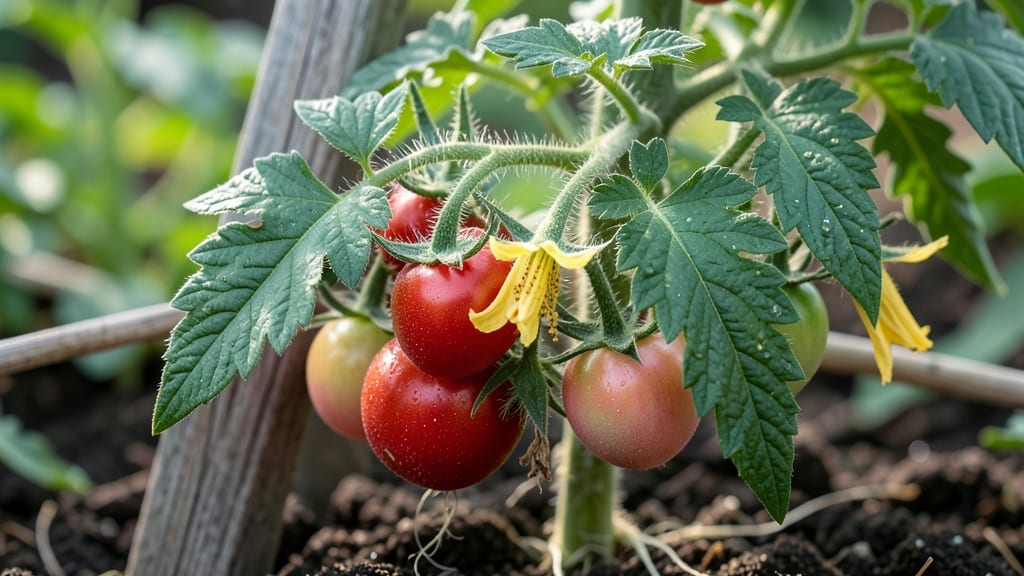
Do deer like tomato plants? They usually avoid them thanks to the plants' strong scent and fuzzy leaves, but desperate deer will still munch on young shoots or ripe tomatoes. Hairy-leaved varieties offer the best natural defense, while tender seedlings in deer-populated areas need extra protection.
Deer behavior around tomato plants actually depends on three key factors: the plant's maturity, its scent profile, and how desperate the deer are for food. 🌱 Young tomato plants with tender leaves are particularly vulnerable, while mature specimens with their characteristic hairy foliage act as a natural deterrent.
The scent compounds in tomato leaves—especially those containing solanine—create a smell deer find unpleasant, though this defense weakens as the plants age. What's interesting is how seasonal food scarcity plays a role: during late fall when natural food sources dwindle, even the most reluctant deer may turn to tomato gardens.
This explains why gardeners often see damage patterns that target specific parts of the plant. Deer typically avoid established tomato plants but will nibble on:
- New seedlings (their preferred snack)
- Ripe, overripe tomatoes (when other food is scarce)
- Lower leaves (easier to reach)
The good news is that understanding these patterns lets you implement targeted protection strategies. 🦌 For example, protecting young plants with temporary barriers during spring planting often prevents early-season damage entirely.
💡 In This Article
- Why Deer Avoid or Attack Tomato Plants
- Proven Deer-Protection Strategies for Tomato Gardens
Why deer avoid or attack tomato plants
The fuzzy, hairy leaves of tomato plants contain glandular trichomes—tiny, microscopic structures that produce chemical compounds deer find unpleasant.
These trichomes secrete volatile oils with a strong, slightly bitter aroma that acts as a natural repellent. 🌿 The scent compounds, particularly those containing solanine, create an olfactory barrier that most deer instinctively avoid, similar to how they steer clear of plants like mint or lavender.
Interestingly, this defense mechanism is most effective in mature plants where the trichomes are fully developed, typically after the plant reaches 12-18 inches in height.
Deer behavior shifts dramatically based on fruit ripeness and seasonal food availability.
Young tomato seedlings (2-4 inches tall) with tender, smooth leaves become prime targets because they lack the protective trichomes of mature plants. 🍅 Ripe tomatoes, especially those that fall to the ground, become irresistible during late fall when natural food sources dwindle.
Studies show deer are 3 times more likely to browse tomato gardens in November compared to June, when alternative browse like acorns or clover remains abundant. The contrast between the plant's natural defenses and its vulnerability at different life stages explains why gardeners often see selective damage patterns.
Tomato varieties also play a crucial role in deer resistance.
Hairy-leaved heirlooms like 'Cherokee Purple' or 'Brandywine' contain more trichomes than smooth-leaved varieties like 'Roma' or 'Celebrity', making them significantly less appealing. 🦌 The difference lies in the leaf surface area covered by these tiny hairs—some varieties achieve 70-80% coverage compared to just 20-30% in vulnerable types.
This botanical variation means your choice of tomato plant can act as either a deer magnet or a natural deterrent, depending on the cultivar you select.
Seasonal patterns reveal another layer of complexity.
Deer typically avoid tomato plants during spring planting when fresh, green vegetation is plentiful, but their interest spikes in late summer when tomatoes begin ripening. 🌱 The transition from leafy growth to fruiting changes the plant's scent profile, making it more attractive to hungry herds.
This seasonal shift explains why gardeners often see damage patterns that target specific parts of the plant—young shoots in spring and ripe fruit in fall—rather than consistent browsing throughout the growing season.
What most gardeners don't realize is how deer learn from experience. A single successful raid on a vulnerable tomato plant can create a feeding memory that brings deer back repeatedly. 💡 This learned behavior explains why some gardens become deer magnets while others remain untouched.
The key difference often lies in whether the garden offers easy access to tender plants or ripe fruit without proper protection measures in place. Understanding this behavioral pattern lets you implement targeted protection strategies that disrupt this learned association.
The science behind deer avoidance actually involves multiple sensory cues.
While the strong scent from trichomes provides the primary deterrent, the texture of the hairy leaves also plays a role. 🌿 Deer have sensitive muzzles that can detect unpleasant textures, and the coarse, fuzzy surface of mature tomato leaves creates an immediate negative sensory experience.
This dual sensory defense—both smell and touch—makes established tomato plants significantly less appealing than their smooth-leaved alternatives.