
Companion Plants
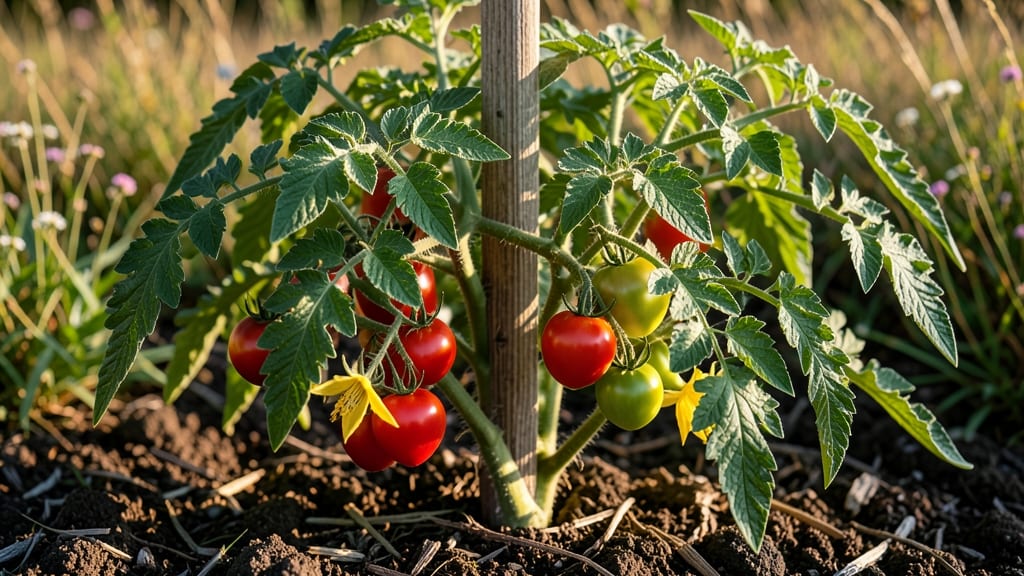
Tomato plants absolutely need direct sun—at least 6 to 8 hours daily—to thrive and produce the juicy 🍅 fruits you’re dreaming of.
If you’ve ever wondered why your tomato plants wilt or produce tiny fruits, the answer might be hiding in plain sight—sunlight. But not all sunlight is equal, and getting the balance just right can mean the difference between a bountiful harvest and disappointment.
Too little sun leads to leggy, weak plants with poor fruit set, while too much can scorch leaves and drop blossoms. The key is finding that sweet spot where your tomatoes get enough light to grow strong but aren’t overwhelmed by the heat.
Below, I’ll break down exactly how much sun your tomato plants need, how to tell if they’re getting too much or too little, and practical tips to optimize their light exposure—whether you’re growing them in containers or in the ground.

How much direct sun tomato plants Really Need (And When It’s Too Much)
Tomatoes are sun-worshippers, but their needs vary depending on whether you’re growing indeterminate (vining) or determinate (bush) varieties. While most gardeners assume "full sun" means all-day exposure, the truth is more nuanced.
Too little light leads to weak plants, while excessive sun can cause sunburn and fruit drop. Let’s break down the exact requirements and how to measure sunlight like a pro.
Indeterminate tomatoes, like Sungold or Brandywine, thrive with 8-10 hours of direct sun daily. Determinate varieties, such as Roma or Celebrity, can handle 6-8 hours but may struggle in extreme heat.
The key is balancing light with temperature—too much sun in scorching climates can stress plants, even if they’re getting enough light.
To measure sunlight accurately, use the sun hours rule: Track how many hours your garden receives direct sunlight (no dappled shade). Place a sunlight meter or even a DIY timer with a white board to track exposure.
Most tomato varieties need at least 6 hours of direct sun, but 8+ hours is ideal for maximum yield. In hot climates, partial afternoon shade can prevent sunburn while still meeting their needs.
Seasonal adjustments are critical. In spring and fall, when days are shorter, extend growing time with reflective mulch or light-colored containers to bounce extra light onto plants. In summer, watch for blossom drop or leaf scorch—signs your tomatoes are getting too much sun or heat.
A 30-50% shade cloth can save your harvest during peak afternoon heat.
Not all sunlight is created equal. Morning sun (6 AM–12 PM) is gentler and helps prevent sunburn, while afternoon sun (12 PM–6 PM) can be intense. If your garden lacks direct sunlight, try south-facing containers or reflective surfaces like white walls or gravel to maximize light exposure.
Even 6 hours of direct sun can work for determinate varieties, but yields will be lower.
Over-exposure is just as damaging as too little light. Watch for white or yellow patches on leaves (sunburn) or dropped flowers (blossom drop), both signs your tomatoes are getting too much heat.
In these cases, provide afternoon shade or move plants to a slightly shadier spot. A 30% shade cloth can reduce heat stress without cutting off light entirely.
Climate plays a huge role. In hot, dry climates (like Arizona or Southern California), tomatoes need partial shade during peak afternoon heat. In cooler regions (like the Pacific Northwest), they can handle full sun year-round.
Always adjust based on your local microclimate—a north-facing garden in Florida won’t need as much sun as one in Minnesota.
For container growers, choose light-colored pots to reflect excess heat and place them where they get at least 6 hours of direct sun. If your balcony or patio lacks sunlight, consider grow lights for 12–14 hours daily, though natural light is always best.
Remember, tomatoes are photoperiod-neutral, meaning they don’t need specific light cycles to flower or fruit.
Pro tip: If your tomatoes start looking leggy or pale, they’re stretching for light. Prune lower leaves to improve airflow and redirect energy to fruit production.
And if you’re growing in partial shade, choose shade-tolerant varieties like Black Krim or Stupice, which handle lower light better than most.
🌱
5 Signs your tomato plants aren’t getting enough sun (and how to fix it)
Tomatoes are sun-worshippers, and when they don’t get enough direct sunlight, they’ll send you clear distress signals.
If your plants look weak or produce tiny fruits, it’s time to investigate their light situation. 6-8 hours of full sun is non-negotiable for healthy tomato growth, but subtle clues can reveal if your plants are light-deprived.
I’ve seen gardeners miss these signs and assume their tomatoes are just "slow growers" or "picky eaters." But the truth? Sunlight deficiency is often the real culprit behind stunted growth, pale leaves, and poor fruit set.
Let’s break down the top 5 warning signs and how to fix them before your harvest suffers.
- 1. Yellowing Lower Leaves – Pale or yellow leaves on the bottom mean your plant is stretching toward light. Prune leggy stems and relocate to a sunnier spot immediately.
- 2. Weak, Spindly Stems – Etoliation (over-stretching) makes stems thin and weak. Use reflective mulch or move plants to maximize sunlight exposure.
- 3. Poor Fruit Set – Flowers drop or turn blossom-end rot? Lack of sun weakens pollination. Hand-pollinate and ensure 6+ hours of direct sun daily.
- 4. Small, Underdeveloped Fruits – Tomatoes stay green and hard? They’re not ripening properly. Rotate pots or trim nearby shade-casting plants.
- 5. Stunted Growth – If your plant grows only 1-2 feet tall instead of 4-6 feet, it’s starving for light. Transplant to a full-sun location or use a grow light for 4-6 hours daily.
If you spot any of these signs, don’t panic—tomatoes are resilient! Start by moving your plants to the sunniest spot in your garden, like a south-facing window or a raised bed with no obstructions. For container growers, rotate pots weekly to ensure even light exposure on all sides.
For extra help, prune lower leaves to improve airflow and redirect energy to fruit production. If shade is unavoidable (like under a tree), use white reflective mulch or aluminum foil around the base to bounce extra light onto the plant.
Even a few more hours of sun can make a huge difference in fruit size and flavor.
Remember, tomatoes thrive on consistency—avoid moving them back and forth between shade and sun, as this stresses the plant. Once you’ve addressed the sunlight issue, monitor their progress over 7-10 days.
You’ll likely see stronger stems, darker green leaves, and better fruit set as they adjust to their new, sunnier home.