
How To
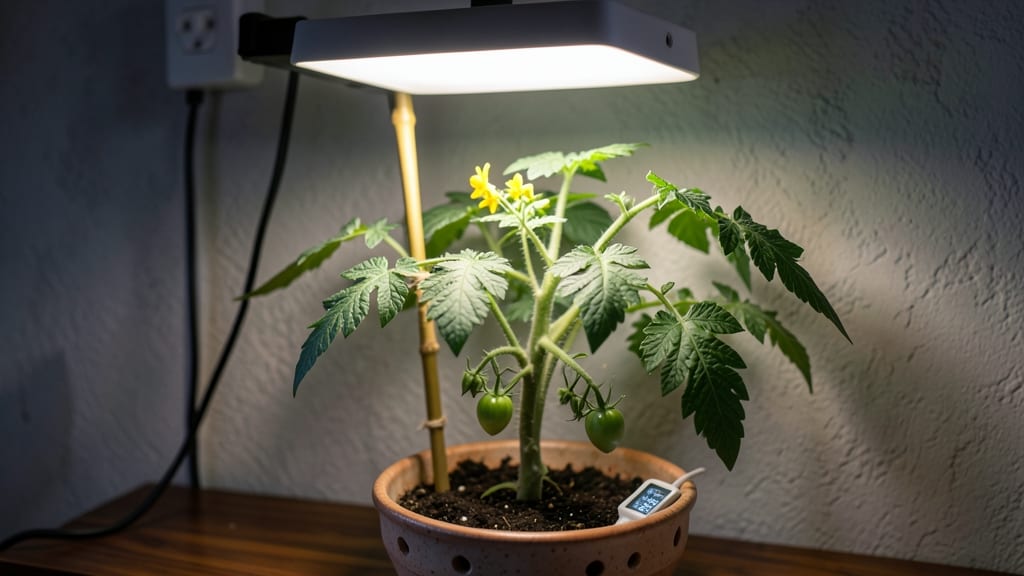
To grow tomato plants indoors with fruit, they need 6 to 12 hours of bright light daily—more than most houseplants and far beyond what a north-facing window can provide.
Picture this: you’ve nurtured your 🍅 seedlings for weeks, only to watch them stretch toward the light like they’re auditioning for a ballerina role. That’s not growth—it’s desperation. Without enough light, tomatoes won’t fruit, no matter how well you water or fertilize.
Natural sunlight is ideal, but indoor spaces often fall short. That’s where grow lights come in—but not all bulbs are equal. LED grow lights with a red-blue spectrum mimic sunlight, while fluorescent tubes can work in a pinch if placed close enough.
The key is intensity: weak light leads to leggy plants, while too much can scorch leaves.
In this guide, I’ll break down the exact light requirements, how to supplement with artificial sources, and the telltale signs your tomatoes are begging for more brightness—so you can go from sad stems to juicy harvests.

Indoor tomato plant light requirements: minimum hours and light intensity explained
Indoor tomato plants need 12-16 hours of light daily to thrive and produce fruit, but most urban apartments only get 4-6 hours of natural sunlight.
Without proper light exposure, your plants will grow tall and leggy while producing few—or no—tomatoes. Understanding both light duration and intensity is key to success.
Tomatoes require full-spectrum light, meaning they need both blue light (for leafy growth) and red light (for flowering and fruiting). Natural sunlight provides this balance, but artificial grow lights must mimic it closely.
Without the right spectrum, your plants may develop weak stems or fail to set fruit entirely.
Most indoor tomato growers struggle with insufficient light intensity, measured in foot-candles (10.76 lux per foot-candle). Tomato plants need 2,000–5,000 foot-candles at the canopy level to produce fruit. A typical office light provides only 500 foot-candles, which is far too low for tomatoes.
Here’s the breakdown of your tomato plant’s light needs in a simple table:
| Requirement | Specification | Notes |
|---|---|---|
| Daily Light Hours | 12–16 hours | Extend with grow lights if natural light is insufficient |
| Light Intensity | 2,000–5,000 foot-candles | Use a light meter to measure at plant height |
| Optimal Spectrum | Blue (400–500nm) + Red (600–700nm) | LED grow lights with full spectrum perform best |
| Minimum Natural Light | 6–8 hours (south-facing window) | North-facing windows provide only 2–4 hours |
| Grow Light Distance | 6–12 inches above canopy | Adjust based on light intensity and heat output |
If your tomatoes receive less than 6 hours of direct sunlight, they’ll struggle to set fruit. Even with 8–10 hours of light, growth slows significantly, and flowers may drop off. The key is replicating the 12–14 hours of daylight tomatoes experience outdoors during peak growing months.
Many gardeners mistakenly assume bright light equals sufficient light, but intensity matters just as much as duration. A south-facing window provides the best natural light, but if you’re using grow lights, ensure they deliver the right spectrum and intensity.
Without both, your plants will prioritize leaf growth over fruit production, leaving you with a bushy tomato plant but no harvest.
To measure light intensity at home, use a light meter or phone app like Light Meter or Grow Lights Calculator. Place the sensor at the height of your tomato plant’s canopy.
If readings fall below 2,000 foot-candles, supplement with a LED grow light or move your plants closer to the window.
Leggy tomato plants with long stems and small leaves are a classic sign of insufficient light. This happens when plants stretch toward any available light source, weakening their structure and reducing fruit yield.
To fix this, increase light exposure immediately and consider using a reflective surface (like aluminum foil) behind your plants to bounce extra light onto their undersides.
For best results, combine natural light with artificial supplementation. Place your tomato plants near the brightest window and use a 12–16 hour photoperiod with grow lights in the evening. This mimics the long daylight hours tomatoes need for fruiting, even in low-light indoor spaces.
Best lighting solutions for indoor tomatoes: grow lights vs. natural sunlight
Indoor tomato plants need 6-12 hours of light daily to produce fruit, but natural sunlight varies by location and season. If your south-facing window only gets 4 hours of direct sun, you’ll need supplemental lighting to prevent weak, leggy plants.
The key is balancing light intensity and spectrum—tomatoes thrive with a mix of blue light for growth and red light for fruiting.
Grow lights are the most reliable solution for consistent light, but they come with trade-offs. LED grow lights are energy-efficient and emit the full spectrum, while fluorescent tubes are budget-friendly but less intense.
Meanwhile, skylights or sunrooms can maximize natural light, but they require strategic placement and may still fall short in winter months. Let’s break down the pros and cons to help you choose the best setup for your space.
How Much Light Does a Tomato Plant Need Indoors?
Minimum Requirements
- Daily light: 6–12 hours
- Intensity: 10,000–15,000 lux
- Spectrum: 400–700nm (blue/red)
- Distance: 6–12 inches from light
Common Pitfalls
- Leggy growth: Too little light
- Yellow leaves: Light burn or deficiency
- No fruit: Insufficient red spectrum
- Heat stress: Lights too close
Pro Tip: Use a light meter or observe your plant’s growth—if stems stretch toward the light, it’s not enough!
For natural sunlight, a south-facing window is ideal, but even then, you’ll likely need to supplement during cloudy days or winter. If you’re using skylights, ensure they’re unobstructed and reflect light with white walls or mirrors to bounce extra rays onto your plants.
However, natural light alone rarely provides the consistent intensity tomatoes need for fruiting.
LED grow lights are my top recommendation for indoor setups—they’re energy-efficient, emit the full spectrum, and can be adjusted to mimic sunlight. A 15W–20W LED bulb placed 6–12 inches above your plants can provide the 10,000–15,000 lux they need. Just avoid keeping them on 24/7, as tomatoes need 12–14 hours of light followed by darkness to rest.
If you’re on a budget, fluorescent tubes (like T5 HO) are a cheaper alternative, but they require closer placement (2–4 inches) and may need reflective hoods to maximize efficiency.
The downside? They lack the red spectrum tomatoes need for fruiting, so you might see fewer tomatoes unless you supplement with a red LED bulb.
Regardless of your setup, rotate your plants weekly to prevent uneven growth toward the light source. And always monitor for heat stress—if leaves curl or brown, move the light further away or add a fan for airflow. With the right balance, your indoor tomatoes can thrive year-round!