
Plants
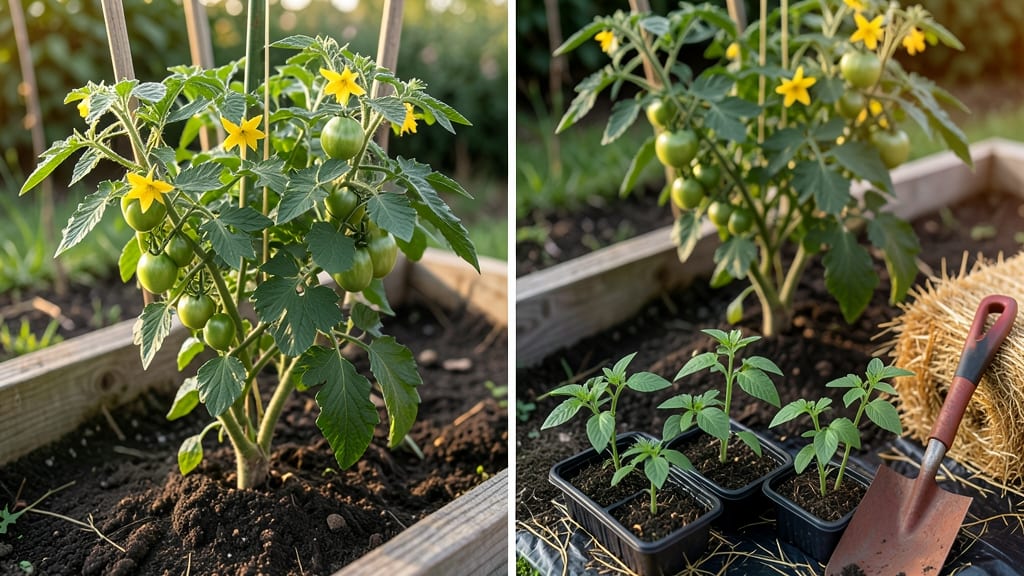
Planting tomatoes in Florida at the right time means the difference between a bountiful harvest and a sad, wilted vine 🍅 — and the best windows are February–March for spring and August–September for fall.
Here’s the catch: Florida’s frost-free zones mean no last-minute scrambles, but summer’s brutal heat can still ruin your crop if you’re not careful. Too early, and your plants bolt; too late, and the fruit turns to paste under the sun.
The key is reading your microclimate—whether you’re in the Panhandle’s cooler pockets or Miami’s relentless humidity.
In this guide, I’ll break down the exact planting dates for your region, plus how to tweak timing for containers, soil prep, and even succession planting to stretch your harvest from May through December. No more guessing—just science-backed schedules that work for Florida’s unique growing seasons.
You’ll also discover the top 5 tomato varieties that thrive here, from heat-tolerant beefsteaks to early producers that beat the summer slump. Let’s get those seeds in the ground the right way.
Florida tomato planting calendar by region: exact dates for success
Florida’s three distinct regions—North, Central, and South—each have unique microclimates that dictate the best times to plant tomatoes. Unlike cooler states, Florida gardeners can grow tomatoes year-round with the right timing, but avoiding blossom-end rot and sunscald requires strategic planning.
Below, I’ll break down the exact windows for each region, including soil temperature thresholds and heat management tips.
In North Florida, where cooler winters and occasional frost can occur (especially in the Panhandle), timing is critical to avoid early-season setbacks. Meanwhile, Central Florida enjoys longer growing seasons with milder winters, while South Florida can plant almost year-round but must contend with summer heat stress.
Let’s dive into the specifics to ensure your tomato plants thrive.
Soil temperature is the #1 factor for successful germination—aim for 60°F+ in spring and 70°F+ in fall. Use a soil thermometer to check before planting. In North Florida, wait until after the last frost (typically mid-February to early March), while South Florida can start as early as January for early varieties.
For North Florida, focus on heat-tolerant varieties like ‘Celebrity’ or ‘Solar Fire’ when planting in late summer. These varieties can handle the transition from 90°F+ days to cooler nights. Use shade cloth (30-50%) during peak heat to prevent sunscald on fruits exposed to direct sunlight.
In Central Florida, where humidity is high, prioritize disease-resistant varieties such as ‘Mountain Merit’ or ‘Better Boy’. Plant in early morning or late afternoon to reduce transplant shock, and mulch heavily with straw or pine needles to retain moisture and suppress weeds.
Avoid overhead watering to prevent fungal spores from splashing onto leaves.
South Florida’s extended growing season allows for succession planting every 2-3 months, but summer heat can cause blossom drop. To mitigate this, use calcium-rich amendments like crushed eggshells or gypsum, and consider drip irrigation to keep roots consistently moist. Varieties like ‘Sunmaster’ or ‘Heatmaster’ thrive in these conditions.
Regardless of region, always harden off seedlings for 7-10 days before transplanting. Acclimate them to direct sunlight and wind gradually to prevent shock. In North Florida, protect young plants with row covers if frost warnings arise, even in late winter.
For container gardening, use 5-gallon pots or larger and place them in partial shade during summer afternoons.
Harvest times vary by region: North Florida plants typically yield from May to July (early season) and October to December (late season), while South Florida can harvest from March to April and September to November.
Always pick tomatoes when they’re fully colored and slightly soft to the touch—this ensures peak flavor and prevents overripening on the vine.
Pro tip: Succession plant every 2 weeks in spring and fall to extend your harvest window. For example, in Central Florida, start your first batch in January, then follow up with February and March plantings. This strategy keeps your kitchen stocked with fresh tomatoes for months without gaps.
How to adjust tomato planting for Florida’s microclimates and soil types
Florida’s diverse climate zones and soil types demand flexibility when planting tomatoes. What works in South Florida’s humidity may fail in North Florida’s sandy soils. Even within regions, microclimates—like coastal areas or inland valleys—affect planting success.
Adjusting your schedule based on soil temperature and local weather patterns can mean the difference between thriving plants and stunted growth.
Start by testing your soil drainage—tomatoes hate soggy roots. Florida’s heavy clay or sandy soils require amendments like compost or coconut coir to improve structure. For container growers, ensure pots have drainage holes and use a well-aerated potting mix.
These tweaks help prevent root rot and blossom drop, common issues in Florida’s wet summers.
For coastal Florida, where humidity is high, opt for determinate varieties like ‘Celebrity’ or ‘Roma’ that ripen quickly. Inland areas can handle indeterminate types like ‘Cherokee Purple’ with proper pruning and support.
Always stagger plantings every 2-3 weeks to extend your harvest—this is key for Florida’s long growing season.
If your soil drains poorly, consider raised beds filled with a 50/50 mix of garden soil and compost. Add a 1-inch layer of mulch to lock in moisture and deter pests like hornworms.
For container gardens, choose 5-gallon pots or larger to prevent root-bound stress, and fertilize with a balanced organic fertilizer every 4-6 weeks.
Remember, Florida’s microclimates can shift yields dramatically. For example, Apalachicola’s cooler nights may suit heirloom varieties, while Miami’s heat demands cherry tomatoes like ‘Sun Gold’. By observing your garden’s unique conditions and adjusting accordingly, you’ll turn Florida’s challenges into bountiful harvests. 🌱