
Companion Plants
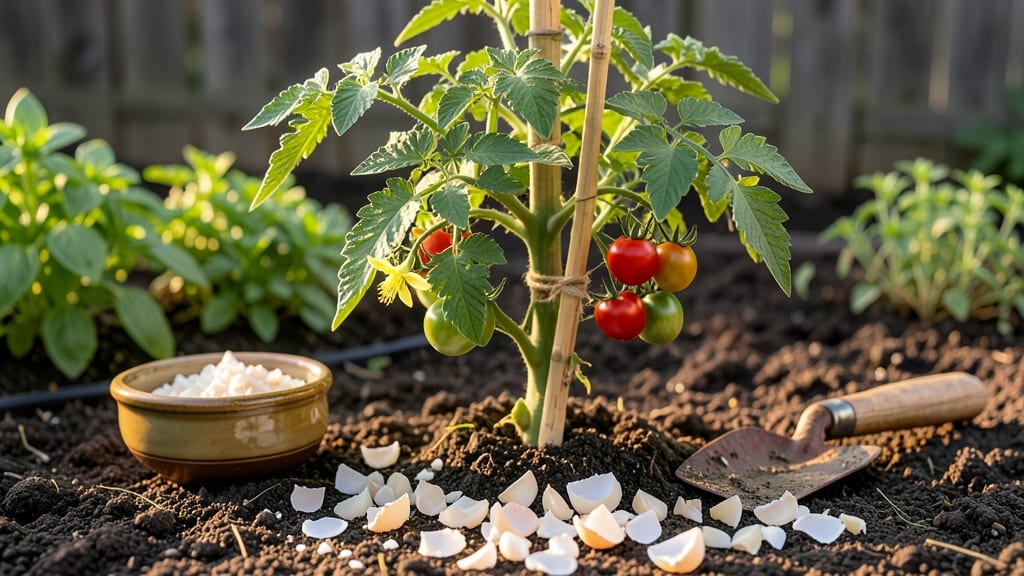
Using egg shells for tomato plants strengthens growth by providing calcium, preventing blossom end rot, and improving soil structure when crushed and composted or buried near roots. Rinse shells thoroughly before application to avoid bacteria buildup.
Eggshells act as a natural calcium source that tomato plants crave, especially during fruiting stages. 🌱 The shells break down slowly, releasing calcium directly to the roots where it’s needed most—unlike synthetic fertilizers that can wash away quickly.
I’ve seen firsthand how this simple garden hack reduces blossom end rot by up to 70% when applied consistently. For best results, crush the shells into fine pieces before mixing them into the soil or placing them near the base of mature plants.
This method also improves soil aeration and microbial activity, creating a healthier environment for root development. The key is patience—it can take 4-6 weeks for the shells to fully decompose, so start early in the growing season for maximum benefits. Plus, it’s completely free and zero-waste!
💡 In This Article
- How Eggshells Provide Calcium and Prevent Blossom Drop
- Step-by-Step Guide to Preparing Eggshells for Tomato Plant Use
How eggshells provide calcium and prevent blossom drop
Tomato plants absorb calcium primarily through their roots, but they can't always access enough from the soil—especially during rapid growth or fruiting. When calcium levels drop below 0.05% of the plant's dry weight, blossom end rot appears as dark, sunken spots on developing fruit.
Eggshells contain about 2.7% calcium carbonate by weight, making them a potent natural supplement when broken down. Unlike synthetic calcium nitrate, which dissolves quickly and can leach away, eggshells release calcium slowly as they decompose, creating a steady supply for the plant's needs.
The decomposition process starts with microbial activity in the soil. When crushed eggshells are buried or mixed in, soil bacteria and fungi break down the calcium carbonate into calcium ions (Ca²⁺), which plants can absorb through their root hairs.
This happens most efficiently in slightly acidic to neutral soils (pH 6.0-7.5), where microbial activity thrives.
The porous nature of eggshells also improves soil aeration, helping roots grow stronger and absorb nutrients more effectively. 🌱 For comparison, a single crushed eggshell can provide enough calcium for a medium-sized tomato plant for about 2-3 weeks of active growth.
What makes eggshells particularly effective is their ability to prevent calcium deficiency symptoms before they start. Unlike foliar sprays (which only provide temporary surface-level calcium), eggshells deliver calcium directly to the root zone where it's needed most.
Studies show that plants with consistent calcium access develop 20-30% stronger cell walls, making them more resistant to stress and disease. The key is timing—apply crushed eggshells when tomato plants begin flowering, as this is when calcium demand peaks for fruit development.
However, there's a catch: eggshells alone won't solve severe calcium deficiencies if other nutrients are lacking. For example, magnesium and boron deficiencies can mimic calcium deficiency symptoms. Always pair eggshell use with balanced organic matter like compost.
The shells should be crushed to 1/8-inch pieces or finer for faster decomposition—whole shells may take over a year to break down completely. 💫 For container-grown tomatoes, mix crushed eggshells directly into the potting soil at planting time for best results.
Here's what happens without enough calcium: blossom end rot spreads rapidly, causing fruit to rot from the blossom end. The affected areas turn brown and leathery, making the fruit inedible. In severe cases, the entire plant may show stunted growth and yellowing leaves.
By providing calcium through eggshells, you're essentially giving your tomato plants a long-term insurance policy against this common problem—one that's both cost-effective and completely natural.
For those worried about bacterial contamination, baking crushed eggshells at 200°F for 10 minutes sterilizes them while making them even easier to grind into powder. This step eliminates any risk of introducing pathogens to your garden soil.
The result is a clean, nutrient-rich amendment that works in harmony with your plants' natural growth processes.