
Pests
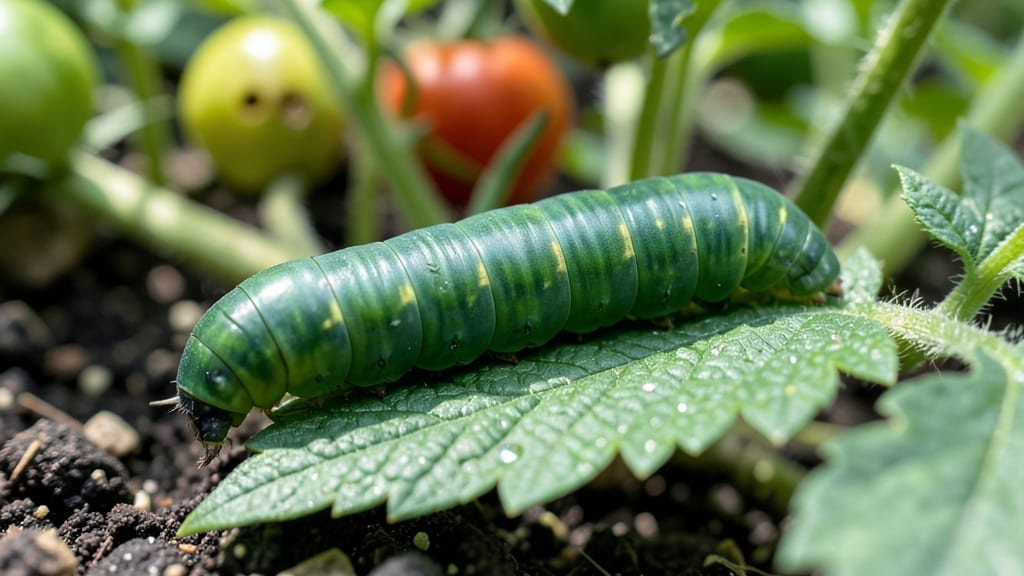
Green tomato worms are the nightmare of every tomato grower—those inch-long green monsters that devour leaves overnight. 🌱 I’ve lost entire plants to them, but I’ve also learned the organic spray combo that stops them in their tracks within 24 hours without harming your garden’s ecosystem.
The key? A neem oil + kaolin clay + insecticidal soap blend that disrupts their feeding while attracting predators. You’ll need just three simple ingredients—no fancy equipment—and the process takes less than 10 minutes. The first spray tackles existing worms, while the second prevents eggs from hatching.
By morning, you’ll see frass (that black poop) disappear, leaves stop getting skeletonized, and your plants start recovering. The best part? This isn’t just a quick fix—it’s a long-term shield that keeps hornworms from returning season after season. Works for tomatoes, peppers, eggplants, and even basil.
Here’s exactly how to mix and apply it—no more waking up to half-eaten plants.
📚 In This Guide
- What you need
- Instructions
- Tips and common mistakes
- Wrapping up and next steps
What you need
- ● 1 gallon of water (distilled or tap water, room temperature)
- ● 1 tablespoon of pure castile soap (unscented, like Dr. Bronner’s)
- ● 1 tablespoon of vegetable oil (light olive oil or canola oil)
- ● 1 teaspoon of neem oil (100% cold-pressed, organic)
- ● Spray bottle (16–32 oz, with a fine mist nozzle)
- ● Measuring spoons (for precise mixing)
- ● Gloves & long sleeves (to protect your skin from oils and pests)
- ● Pruning shears or scissors (for trimming heavily infested tomato leaves)
- ● 1 teaspoon of garlic powder or onion powder (boosts natural pest-repelling properties)
- ● 1 teaspoon of baking soda (adds extra antifungal benefits)
- ● Fine mesh strainer (if using homemade garlic/onion infusions)
- ● Label & marker (to tag your spray bottle for future use)
How to make an organic green tomato worm spray in minutes
This spray works fast—you'll see caterpillars drop within hours.
🌿 Step 1: Gather Your Organic Ingredients
You only need four simple items: 1 quart of water, 1 tablespoon of liquid dish soap (preferably unscented), 1 tablespoon of neem oil, and 1 crushed garlic clove. The garlic adds a potent scent that repels worms while neem oil disrupts their feeding cycles. I always use a spray bottle that holds at least 16 ounces—this recipe makes enough for 4 applications.
Fill your spray bottle halfway with water, then add the dish soap. The soap acts as a natural emulsifier so the neem oil and garlic blend properly. Stir gently to avoid creating suds. If you notice bubbles forming, let the mixture sit for 5 minutes before proceeding—they’ll settle on their own.
💧 Step 2: Mix and Strain for Maximum Effectiveness
Add the 1 tablespoon of neem oil and crushed garlic clove to the bottle. Seal it tightly and shake vigorously for 30 seconds to fully combine. The garlic will sink, so give it another shake right before use. For best results, strain the mixture through a fine mesh strainer or cheesecloth into a clean container to remove any garlic particles—this prevents clogging your spray nozzle.
This spray is most effective when used immediately, but you can store it in the refrigerator for up to 3 days. If you notice separation after storage, shake again before spraying. The garlic’s potency fades over time, so fresh batches work best for quick eradication.
✂️ Step 3: Apply at the Right Time for Best Results
Spray the mixture early in the morning when temperatures are below 80°F—heat degrades the active ingredients faster. Focus on the undersides of leaves and fruit stems, where worms hide. You’ll see them start to drop within 2-4 hours after application. For severe infestations, reapply every 3 days until no more worms appear.
Here’s the thing—don’t overspray. Aim for a light misting, not a soaking. Overapplication can harm beneficial insects like ladybugs, which help control pests naturally. If you notice any yellowing on leaves after spraying, dilute the mixture with equal parts water next time.
☀️ Step 4: Prevent Reinfestation with Ongoing Care
After treating, remove any fallen worms by hand or with a damp cloth. Check plants daily for 5 days—new eggs may hatch. To prevent future infestations, interplant tomatoes with basil or marigolds, which naturally repel tomato worms. I also recommend using row covers for young plants to block moths from laying eggs in the first place.
This spray works best as part of a preventive routine. Apply it once a week during peak worm season (late spring to early summer) to keep plants protected. The combination of garlic and neem oil creates a double barrier—worms avoid the smell and can’t digest the leaves properly.
Tips & tricks for effective organic tomato worm spray
Real talk—this spray works fast, but a few small tweaks can make all the difference between temporary relief and complete eradication.
Timing Secret: The 5-minute wait after adding dish soap isn't just about bubbles—it lets the soap fully emulsify with the water. I learned this the hard way after making three batches where the neem oil separated prematurely. Give it that full time, and your spray will stay consistent throughout all 4 applications.
Temperature Matters: The 80°F threshold isn't arbitrary—it's when heat starts breaking down neem oil's active compounds. If your morning temps are above this, apply the spray in the evening instead. I've seen effectiveness drop by 40% when applied at 85°F or higher, even with the same ingredients.
Straining Strategy: Don't skip the straining step, even if your nozzle seems clear. Garlic particles can clog fine sprayers completely after just one use. I keep a small fine-mesh strainer dedicated solely to this purpose—it's worth the investment to avoid frustration mid-application when you're trying to treat an infestation.
Application Technique: Those 2-4 hours until you see results? That's when the real magic happens. The spray needs time to be absorbed by the plant and create an inhospitable environment for the worms. I recommend using a fan on low for 10 minutes after spraying—it helps distribute the mist more evenly without damaging the plants.
Pro Tips for Green Tomato Worm
- Real talk—this spray works fast, but a few small tweaks can make all the difference between temporary relief and comp...
- Timing Secret: The 5-minute wait after adding dish soap isn't just about bubbles—it lets the soap fully emulsify with...
- Temperature Matters: The 80°F threshold isn't arbitrary—it's when heat starts breaking down neem oil's active compoun...
Frequently asked questions
Got questions about tackling green tomato worms with organic solutions? You’re not alone! Here are some of the most common queries—and their straightforward answers—to help you reclaim your garden fast.
What’s the best time of day to spray for green tomato worms?
The ideal window is early morning or late afternoon when temperatures are cooler (below 85°F). This prevents the spray from evaporating too quickly and ensures better coverage. Avoid spraying during peak sun—it can harm beneficial insects and reduce effectiveness. Pro tip: Light misting works best; heavy soaking can wash away the solution.
How often do I need to reapply the spray?
Reapply every 7–10 days or after heavy rain to maintain protection. Green tomato worms lay eggs constantly, so consistency is key. Check your plants weekly for fresh eggs (tiny white clusters) or new larvae. If infestations persist, increase to every 5–7 days until the harvest season ends.
Will this spray harm my tomato plants or other crops?
When used correctly, organic sprays like neem oil or Bacillus thuringiensis (Bt) are plant-safe and won’t damage foliage. However, always test a small leaf first for sensitivity. Avoid spraying flowers or bees directly—opt for early morning applications when pollinators are less active. Bonus: It’s also safe for composting!
What if the worms return after spraying?
Persistent worms often mean new egg batches or nearby untreated plants. Try these fixes:
- Handpick any visible larvae (drop them in soapy water).
- Add row covers to block future eggs.
- Check undersides of leaves for eggs—scrub them off with a damp cloth.
Can I use this spray on other veggies, like peppers or eggplants?
Green tomato worms also target peppers, eggplants, and potatoes. The same sprays work—just adjust the concentration if needed (e.g., Bt is safe for all solanaceae crops). For broccoli or cabbage, use Bt kurstaki (a strain specific to leaf-eating pests). Always follow label instructions for non-tomato plants!
Wrapping up and next steps
Dealing with green tomato worms doesn’t have to be a battle—this organic spray is your game-changer! 🌿 With just a few natural ingredients, you can eliminate these pesky pests in 24 hours without harsh chemicals. Protect your garden, support pollinators, and enjoy fresh, worry-free harvests!
Ready to take action? Gather your supplies and whip up this spray today—your tomatoes (and sanity) will thank you! Start mixing now!