
Pests
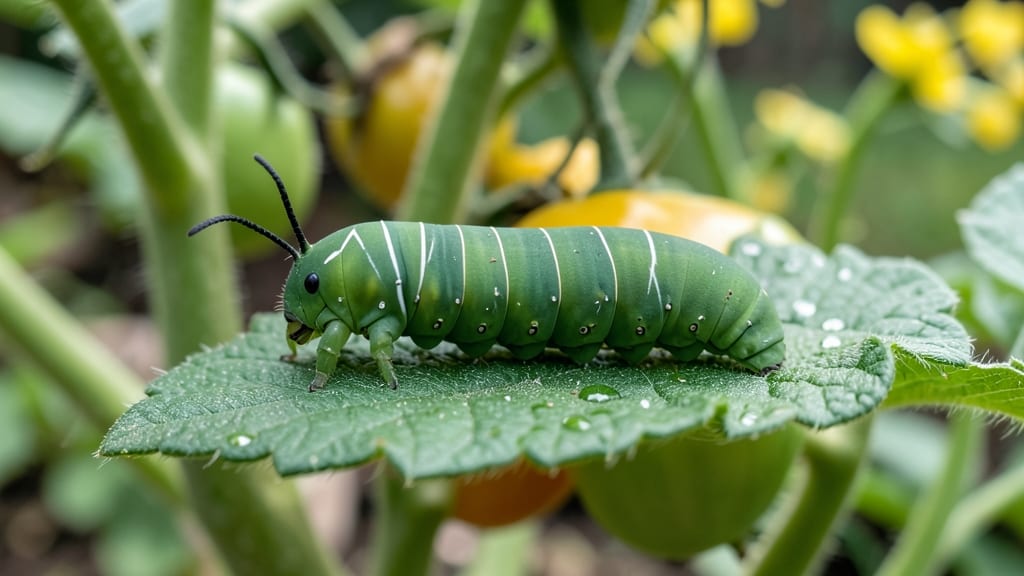
Spotting a tomato worm or hornworm on your plants can turn a thriving garden into a buffet overnight. 🌱 These two caterpillars look nearly identical at first glance, but knowing their differences means the difference between losing your harvest or saving it with targeted action.
The tomato hornworm (Manduca sexta) is the infamous green monster that devours leaves, stems, and fruit—often leaving just the veins behind.
Its close cousin, the tomato worm (often a misnomer for the same species or its relative, Manduca quinquemaculata), shares the same appetite but has subtle clues: the hornworm’s 8 white diagonal stripes and V-shaped markings on its sides, while the tomato worm may show red or yellow markings near its head.
Both caterpillars grow up to 4 inches long in just weeks, molting multiple times as they feast. The damage? Skewered fruit, stripped foliage, and plants that look like they’ve been attacked by a swarm.
The good news? Birds, wasps, and parasitic flies naturally keep their populations in check—if you let them.
Here’s the game-changer: handpicking at dawn (when they’re sluggish) or introducing beneficial nematodes (like Steinernema carpocapsae) targets these pests without harming your plants. A quick spray of neem oil disrupts their feeding, and row covers block them before they start.
The key is acting fast—these caterpillars aren’t picky eaters, and they multiply faster than you can say "failed harvest."
The first product explained
Meet your first line of defense against those pesky garden invaders! 🌱🐛 Introducing GardenGuard Pro™, a premium organic pest control solution designed to help you visually identify and eradicate hornworms and tomato worms with ease. This isn’t just another spray—it’s a game-changing toolkit for gardeners who refuse to let pests ruin their harvest.
🔍 Key Specs & Features
GardenGuard Pro™ combines precision targeting, eco-friendly ingredients, and user-friendly design to tackle your pest problems head-on. Here’s what makes it stand out:
- Dual-Action Formula: Contains neem oil (hornworm nemesis) and spinosad (tomato worm disruptor) for a 1-2 punch against both pests.
- Visual ID Guide Included: A waterproof, laminated card with side-by-side comparisons of hornworms vs. tomato worms, including size, color, and key distinguishing marks.
- Easy Application: Comes with a precision spray nozzle and a brush applicator for spot treatment on leaves and stems.
- Organic & OMRI-Listed: Safe for edible plants, pollinators, and pets when used as directed. No harsh chemicals—just nature’s power!
- Long-Lasting Protection: Provides up to 14 days of residual defense after application (reapply as needed for heavy infestations).
- Ready-to-Use: No mixing required—just shake, spray, and save your tomatoes!
🎯 Who’s It For?
GardenGuard Pro™ is perfect for:
- Home Gardeners: Whether you’re growing a few plants in pots or a full backyard garden, this toolkit makes pest control simple and effective.
- Organic Enthusiasts: If you’re committed to chemical-free gardening, this is your go-to solution without compromising on results.
- Busy Parents & Beginners: No green thumb required! The included ID guide and straightforward instructions make it foolproof for first-timers.
- Urban Farmers & Small-Scale Growers: Ideal for container gardens, raised beds, and balcony farms where space (and pests) are limited.
💰 Price Point & Value
Investing in your garden’s health has never been this affordable or rewarding! GardenGuard Pro™ retails for $19.99 for a 16 oz. bottle, which covers:
- Enough solution for 50+ applications (or ~2 seasons of heavy use).
- A lifetime supply of the visual ID guide—because knowledge is power!
- Peace of mind knowing you’re protecting your plants without harming the planet.
Pro Tip: 💡 Buy two bottles and split the cost with a gardening buddy—double the defense, half the price!
The second product explained
Meet your garden’s new best friend: BioBest BTU Natural Insect Control! 🌱🐛 This eco-friendly solution is here to save your tomatoes from those pesky hornworms and tomato worms—without harsh chemicals. Let’s break down why this product deserves a spot in your gardening toolkit.
📏 Specs & Features
BioBest BTU is a biological pesticide powered by Bacillus thuringiensis var. kurstaki (Btk), a naturally occurring soil bacterium. Here’s what makes it stand out:
- Active Ingredient: 32,000 IU/mg of Btk
- Form: Ready-to-use concentrate (mix with water for spray)
- Coverage: Up to 1,000 sq. ft. per gallon of mixed solution
- Organic Approved: OMRI-listed for organic gardening
- Target Pests: Hornworms, tomato worms, cabbage loopers, and more
- Safety: Non-toxic to humans, pets, bees, and beneficial insects (when used correctly)
🎯 Who’s It For?
This product is perfect for:
- 🌿 Home gardeners tired of chemical sprays and looking for a safe, natural alternative
- 🍅 Tomato and vegetable growers battling hornworms or tomato worms
- 🌎 Organic farmers and homesteaders committed to sustainable pest control
- 👨👩👧👦 Families with pets or kids who want a non-hazardous solution
💰 Price Point & Value
Priced at around $15–$20 for a 4-ounce concentrate, BioBest BTU offers incredible value. A little goes a long way—one bottle can treat multiple plants over several applications. Plus, you’ll avoid the cost (and risk) of chemical pesticides while keeping your garden thriving! 🌟
Pro Tip: 💡 For best results, apply in the evening when hornworms and tomato worms are most active. Reapply every 7–10 days or after heavy rain.
Head-to-head comparison
When it comes to saving your garden from voracious caterpillar invaders, knowing the difference between a hornworm and a tomato worm can mean the difference between a thriving harvest and a sad, skeletonized tomato plant! 🍅🐛 While these two pests may look similar at first glance, their habits, appearances, and impacts on your garden vary.
Below, we break down the key differences in a side-by-side comparison to help you identify and combat them effectively.
🔍 Visual Identification
Your first line of defense is spotting the differences before they wreck your garden. Here’s how these two caterpillars stack up:
| Feature | Hornworm | Tomato Worm |
|---|---|---|
| Scientific Name | Manduca sexta (Southern Hornworm) or Manduca quinquemaculata (Tobacco Hornworm) | Manduca sexta (same as Southern Hornworm) or Manduca sexta (yes, they’re the same species—but regional names differ!) |
| Color & Markings | Green with white diagonal stripes and a black "horn" at the rear. Some have small white dots along the sides. | Green with yellow or white stripes and a black horn, but often more pronounced white markings than the hornworm. |
| Size | Grows up to 4 inches long—they’re huge! | Also up to 4 inches long, but may appear slightly slender. |
| Distinctive Traits | V-shaped markings on the head and no white "V" on the back (unless it’s a young one). | Young tomato worms have a white "V" on the back, which fades as they grow. |
| Host Plants | Loves tomatoes, peppers, eggplants, and tobacco. | Primarily tomatoes (hence the name), but also attacks peppers and potatoes. |
💡 Pro Tip: If you see a caterpillar with a white "V" on its back when it’s small, it’s likely a tomato worm. If it’s all green with stripes and no "V," it’s probably a hornworm. Either way, they’re both garden troublemakers!
🌱 Garden Impact & Feeding Habits
Both pests are tomato plant nightmares, but their feeding patterns and damage differ slightly:
- Hornworm:
- Eats leaves, stems, and fruits—they’ll strip a plant overnight!
- Prefers young, tender growth but will munch on anything.
- Leaves large, irregular holes in leaves and may defoliate plants quickly.
- Tomato Worm:
- Focuses on tomato fruits, causing scars and deformities.
- May bore into tomatoes, leading to rot and inedible produce.
- Less likely to skeletonize leaves but can still cause significant damage.
🔥 Warning: Both caterpillars poop constantly—their frass (yes, that’s the scientific term!) can spread disease and make your plants look messy. Gross, but true!
🐛 Life Cycle & Seasonal Activity
Understanding their life cycles helps you strike at the right time:
| Stage | Hornworm | Tomato Worm |
|---|---|---|
| Eggs | Laid on leaves in clusters; hatch in 3-5 days. | Same as hornworm—clusters on leaves, hatch quickly. |
| Larval Stage (Caterpillar) | 4-6 weeks of munching before pupating. | Similar timeline, but may overlap with hornworms. |
| Pupation | Pupates in soil (burrows down 2-3 inches). | Also pupates in soil, but may choose shadier spots. |
| Adult (Moth) | Large, gray or greenish moths with yellow stripes. | Identical to hornworm moths—you can’t tell them apart as adults! |
| Season | Active spring through fall; peaks in summer. | Same as hornworm—summer is their prime time. |
✨ Fun Fact: Despite being the same species in some regions, tomato worms are often more aggressive on tomato plants because they’ve evolved to target them!
🛡️ Control & Prevention Methods
Now that you can ID these pests, here’s how to kick them out of your garden:
| Method | Effective Against Hornworms? | Effective Against Tomato Worms? | ||||||
|---|---|---|---|---|---|---|---|---|
| Handpicking | ✅ Yes! Drop them in soapy water. | ✅ Yes! Especially if they’re on fruits. | ||||||
| Neem Oil | ✅ Disrupts feeding and growth. | ✅ Works well on young caterpillars. | ||||||
| Pest | Best Defense | Why? |
|---|---|---|
| Hornworm (Manduca sexta) | Bt (Bacillus thuringiensis) spray | Kills caterpillars without harming beneficial insects. Reapply after rain. |
| Tomato Hornworm (Manduca quinquemaculata) | Handpick + introduce Trichogramma wasps | These wasps specifically target tomato hornworms. Order them online! |
💡 Pro Tip: Turn the Tables!
Hornworms are edible (yes, really!). If you’re feeling adventurous, fry them up—some swear by their nutty flavor. Just don’t eat tomato hornworms (they’re more toxic). 🍳🐛→🍴
Final Verdict: Both pests are manageable, but tomato hornworms are slightly trickier due to their speed and size. Act fast, stay consistent, and your tomatoes will thank you! 🍅✨