
Blooming
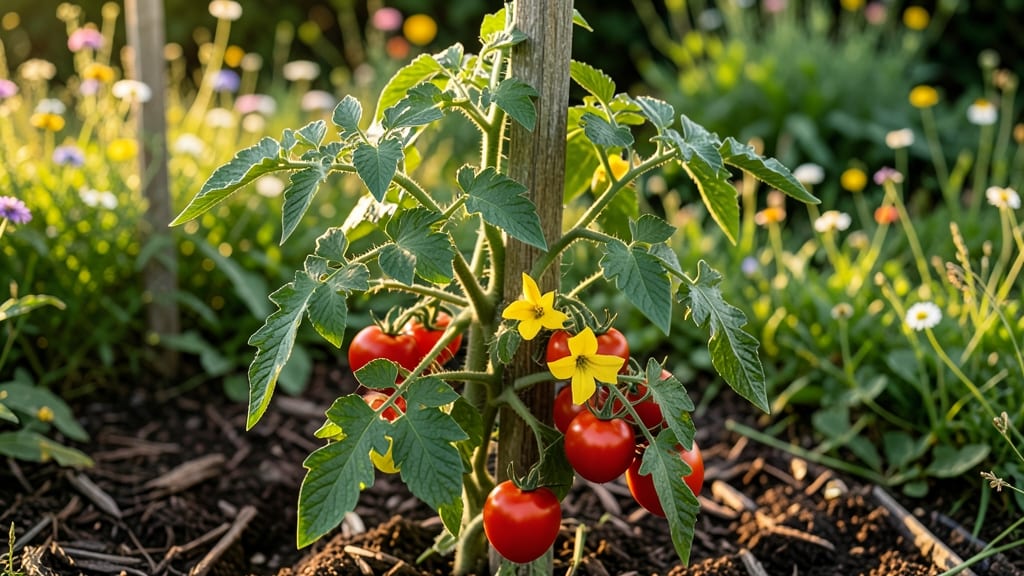
How long does it take tomato plants to mature? The answer depends on the variety, with timelines ranging from 45 to over 100 days, and knowing the exact timeline helps you plan for a bountiful harvest instead of waiting in vain.
Picture this: you’ve spent weeks nurturing your 🍅 seedlings, dreaming of that first ripe tomato, only to wonder why the calendar says "harvest season" but your plants still look like they’re just getting started.
That gap between planting and picking is all about the type of tomato you’re growing—and a few other surprises.
Determinate varieties like 'Sungold' cherry tomatoes can ripen in as little as 50 days, while heirlooms like 'Brandywine' take nearly three months to reach full maturity. Climate, sunlight, and even soil nutrients play a role, too.
Below, I’ll break down the real-world timelines by variety and share the proven tricks to speed up your harvest—no guesswork required.
You’ll learn how to track your plant’s progress, adjust care for faster growth, and avoid the most common mistakes that turn 90-day tomatoes into 120-day disappointments. Ready to turn those days into delicious results?


Tomato maturity timeline by variety type: fastest to slowest growing tomatoes
If you’ve ever planted tomatoes, you know patience is key! The time from seed to harvest can swing wildly—some varieties reward you in just 50 days, while others take 90+ days to reach full maturity.
Understanding these timelines helps you plan your garden, choose the right varieties, and set realistic expectations. Let’s dive into the fastest and slowest tomato varieties so you can pick winners for your growing season.
Tomato maturity is measured in days to harvest, which means the number of days from transplanting (or direct sowing) until the first ripe fruit appears. This timeline varies based on whether the tomato is determinate (bush-type) or indeterminate (vining), as well as its size and type.
For example, petite cherry tomatoes like 'Sungold' mature in about 50 days, while massive heirlooms like 'Brandywine' can take 90 days or more. Knowing these differences helps you decide whether to plant early, late, or even succession-sow for continuous harvests.
Here’s a quick breakdown of the fastest-growing tomatoes, perfect for short seasons or impatient gardeners:
Cherry tomatoes like 'Sungold' or 'Sweet 100' are the speed demons of the tomato world, often maturing in just 45-55 days. These varieties are perfect for gardeners with short growing seasons or those who want a quick reward.
They thrive in containers, making them ideal for balconies or small spaces. If you’re growing in USDA Zone 5 or cooler, these are your best bet for early harvests.
Hybrid varieties like 'Early Girl' and 'Celebrity' strike a balance, typically maturing in 50-60 days. They’re bred for disease resistance and high yields, which makes them a favorite among both beginner and experienced gardeners.
These tomatoes are also versatile—great for slicing, salads, or canning. For a mid-season harvest, these varieties are hard to beat.
If you’re dreaming of heirloom tomatoes, be prepared to wait. Varieties like 'Brandywine' or 'Black Krim' can take 85-100+ days to mature, but the payoff is unmatched flavor and texture.
These tomatoes are best suited for longer growing seasons (Zones 7-10) or greenhouse cultivation. Patience is key here—these varieties often produce fruit well into fall, extending your harvest window.
Indeterminate tomatoes, like beefsteak varieties, can also take longer to mature but continue producing fruit throughout the season. Varieties such as 'Cherokee Purple' or 'Brandywine' may take 75-85 days to bear their first fruit, but they keep giving until frost.
These are ideal if you want a continuous harvest and don’t mind waiting for that first juicy slice.
To speed up maturation, focus on providing optimal growing conditions: full sun, well-draining soil rich in organic matter, and consistent watering. Avoid over-fertilizing with nitrogen, which promotes leafy growth at the expense of fruit.
Instead, use a balanced fertilizer (like 5-10-10) to encourage flowering and fruiting. With the right care, even slower-maturing varieties can reward you with a bountiful harvest.
Plan your garden around these timelines, and you’ll know exactly when to expect those first ripe tomatoes. Whether you’re growing
Factors that speed up or delay tomato maturation (and how to control them)
Tomato plants thrive when their growing conditions align with their natural needs—but even the best gardeners can see delays when key factors aren’t optimized. I’ve learned that sunlight exposure, temperature consistency, and soil nutrition are the top three variables that either accelerate or stall maturation.
Let’s break down how each one impacts your harvest timeline and what you can do to take control.
First, sunlight exposure is non-negotiable for tomatoes. They need 6-8 hours of direct sun daily to mature efficiently. If your plants get less, they’ll stretch toward the light (a condition called etiolation), slowing fruit development.
I once had a Sungold cherry tomato batch that took 20% longer to ripen because they were planted under a partially shaded tree—until I moved them to a sunnier spot.
Next, temperature extremes can either speed up or completely halt growth. Tomatoes love 70-85°F (21-29°C) daytime temps and 60-70°F (15-21°C) nights. Below 50°F (10°C), growth stalls, and above 90°F (32°C), blossoms may drop.
In my Zone 7b garden, I use row covers in early spring to warm the soil faster and shade cloth in peak summer to prevent heat stress.
Now, let’s talk soil nutrients, where many gardeners go wrong. Too much nitrogen (the first number in NPK) promotes leafy growth but delays fruiting. Instead, focus on a balanced 5-10-10 fertilizer with extra potassium (the last number) to boost fruit production.
I’ve seen Beefsteak tomatoes mature 10-14 days faster when I switch to a potassium-rich fertilizer at flowering.
Watering consistency is another critical factor. Tomatoes need 1-1.5 gallons of water per plant weekly, but uneven moisture causes blossom end rot or cracked fruit—both of which delay harvests. I water mine deeply in the morning and mulch with straw to keep moisture levels stable. During droughts, I’ve even set up a drip irrigation system to automate consistent watering.
Finally, pruning techniques can dramatically speed up maturation. For indeterminate varieties, I prune suckers (the shoots in the leaf axils) to direct energy toward fruit production. In my Brandywine tomato plants, this method shaved off 2-3 weeks from the maturation timeline.
For determinate varieties, minimal pruning is needed—they focus energy on one flush of fruit.
Here’s how to optimize each factor for faster tomato maturation:
- 1 Sunlight Exposure: Ensure 6-8 hours of direct sun. Use reflective mulch or move plants if shade is an issue.
- 2 Temperature Control: Maintain 70-85°F (21-29°C) days. Use row covers for early warmth or shade cloth for heat protection.
- 3 Soil Nutrition: Use 5-10-10 fertilizer and add composted manure for potassium. Avoid over-fertilizing with nitrogen.
- 4 Watering Consistency: Water deeply 2-3x weekly and mulch to retain moisture. Avoid wetting leaves to prevent disease.
- 5 Pruning Techniques: Prune indeterminate varieties to remove suckers. For determinate types, minimal pruning is best.
By mastering these five factors, you’ll see a noticeable difference in your tomato plants’ maturation timeline. For example, my Early Girl tomatoes now mature in 55-60 days instead of the usual 65-70 days.
The key is consistency—monitor your plants weekly and adjust as needed. With the right conditions, you’ll be enjoying homegrown tomatoes in record time!