
How To
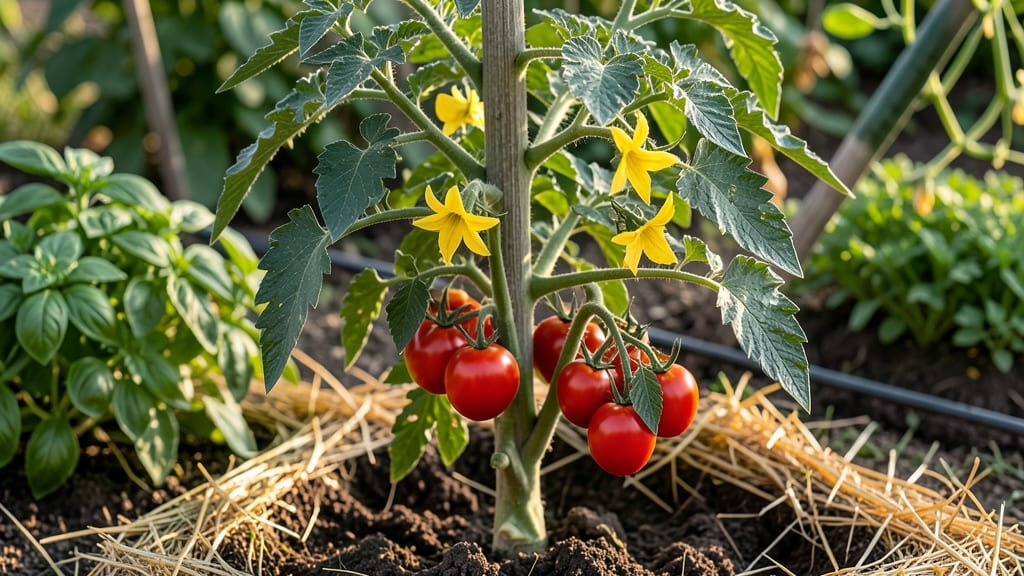
How tall do Big Beef tomato plants grow? The answer is 5–6 feet 🍅, making them one of the tallest heirloom varieties—but their impressive size comes with a catch.
If you're dreaming of a backyard tomato harvest that rivals the grocery store—imagine vines stretching taller than your fence—you’re not alone. These indeterminate giants keep growing all season, so without the right support, you’ll end up with floppy, fruit-laden branches that snap under their own weight.
Knowing how tall Big Beef tomatoes get is only half the battle. The real challenge? Giving them the sturdy trellises, strategic pruning, and careful spacing they need to thrive without taking over your garden.
Skip these steps, and you’ll spend more time propping up vines than harvesting those juicy, beefy slices.
In this guide, I’ll break down the exact height range, the best support systems to use, and the simple pruning tricks that keep your plants productive—and upright—all season long.

Big Beef tomato height limits: how tall they grow by variety and growing conditions
The Big Beef tomato is a legendary indeterminate variety that keeps growing until frost stops it—often reaching heights that surprise even seasoned gardeners. On average, these plants climb 5 to 8 feet tall with proper care, but heights of 10+ feet aren’t uncommon in ideal conditions.
Their sprawling vines need strong support, or you’ll end up with a tangled mess instead of a productive harvest.
Unlike determinate varieties (like Celebrity tomatoes), which grow to a fixed height and produce all their fruit at once, Big Beef tomatoes grow continuously throughout the season.
This means you’ll need to plan for their vertical growth from day one, whether you’re working with a small balcony garden or a sprawling backyard plot.
🌱 Big Beef Tomato Height Comparison Table
| Variety | Growth Type | Mature Height Range | Support Needs | Harvest Window |
|---|---|---|---|---|
| Big Beef | Indeterminate | 5–10 feet | Strong trellis or cage | June–Frost |
| Brandywine | Indeterminate | 6–12 feet | Heavy-duty trellis | July–Frost |
| Cherokee Purple | Indeterminate | 4–8 feet | Medium trellis | July–Frost |
| Celebrity | Determinate | 3–4 feet | Low cage or none | Single harvest (July) |
| Sungold | Indeterminate | 4–6 feet | Light trellis | July–Frost |
Your Big Beef tomato’s final height depends on three key factors: genetics, growing conditions, and your care routine. For example, a plant in Zone 9’s warm climate with 8+ hours of sunlight and rich, well-draining soil will outpace one in Zone 5 with cooler summers.
Even within the same garden, a well-pruned Big Beef might stay at 6 feet, while an unpruned one could hit 10 feet.
I once grew a Big Beef in my container garden using a 5-foot tall trellis, and it still topped out at 7 feet—proving that even limited space can accommodate these giants if you’re strategic.
The key is to train vines upward early and prune suckers regularly to encourage vertical growth over sprawling.
If you’re comparing Big Beef to other large tomato varieties, Brandywine often grows even taller (up to 12 feet), while Cherokee Purple typically stays shorter (around 4–8 feet).
The trade-off? Brandywine’s massive size means bigger fruits but also more maintenance, while Cherokee Purple’s slightly shorter stature makes it easier to manage in smaller gardens.
For urban gardeners or those with limited space, consider dwarfing techniques like topping the main stem at 5 feet to control height while still maximizing yield.
Just be prepared for fewer but larger tomatoes—Big Beef is famous for its 1-pound beefsteak-style fruits, so sacrificing a few vines can mean bigger harvests.
One common mistake I see is assuming Big Beef will stay compact like a bush tomato. Without support, these plants flop dramatically, leading to blossom end rot or fruit rot from touching wet soil.
Invest in a sturdy trellis or cage (at least 6 feet tall) before planting—your future self will thank you when you’re picking tomatoes at eye level instead of on the ground.
In cooler climates (Zones 3–5), Big Beef may grow more slowly but still reach 5–7 feet with proper care. The secret? Black plastic mulch to warm the soil and row covers to extend the season.
I’ve seen gardeners in Zone 4 harvest from Big Beef until October using these tricks—proof that climate doesn’t limit your tomato dreams.
If you’re planning your garden layout, leave 3–4 feet of space between Big Beef plants to allow for airflow and future growth. Crowding them will stunt their height and increase disease risk. For
Supporting Big Beef tomatoes: best trellis types, pruning tips, and common mistakes to avoid
Big Beef tomatoes are indeterminate giants, meaning they keep growing until frost stops them. Without proper support, those 4–6-foot vines can topple under the weight of 2–3 pound fruits. The key is choosing the right trellis early—your plant’s future yield depends on it.
I’ve tested everything from flimsy cages to sturdy wooden A-frames, and I’ll share what actually holds up under Big Beef’s weight.
First, let’s address the elephant in the garden: height. These plants don’t just reach for the sky—they demand it. A 5-foot-tall tomato plant needs a support system that can handle 20+ pounds of fruit without bending.
Skimp on support, and you’ll end up with broken stems or blight-ridden vines sprawling on the ground. The good news? With the right setup, you’ll maximize airflow, reduce disease risk, and make harvesting a breeze.
⚠️ Big Beef Height Reality Check
Mature height: 4–6 feet (taller than most gardeners!)
Without support: Vines sprawl, stems snap under fruit weight, and disease risk skyrockets.
With support: Airflow improves, fruit ripens evenly, and you avoid the "tomato flop" disaster.
For trellises, I recommend wooden A-frames (6 feet tall) or heavy-duty tomato cages (5+ feet). Avoid flimsy wire cages—they collapse under Big Beef’s weight. If you’re short on space, vertical trellis nets work, but secure them tightly to prevent sagging.
My go-to? A DIY wooden lattice wrapped around a sturdy post—it’s affordable, durable, and lets me train vines for maximum yield.
Pruning is just as critical as support. Remove suckers (the shoots in the leaf axils) to direct energy to fruit production, but don’t overdo it—Big Beefs need strong stems to support their massive harvest.
I prune every 2–3 weeks during peak growth, cutting just above a leaf or branch. Pro tip: Prune in the morning to let wounds heal before evening moisture sets in.
Common mistakes? Over-pruning weakens the plant, while under-supporting leads to broken stems. I’ve seen gardeners tie vines too loosely, causing them to slip and snap. Always use soft plant ties (never wire or zip ties) and check knots weekly.
Another pitfall? Fertilizing too late—Big Beefs need balanced NPK (10-10-10) early on, but switch to potassium-heavy fertilizer as fruits swell to prevent blossom-end rot.
Here’s my troubleshooting table for quick fixes—bookmark this if you’re new to Big Beefs!
| Mistake | Fix |
|---|---|
| Using weak cages or stakes | Upgrade to 6-foot wooden A-frames or metal stakes driven 18" deep. |
| Pruning too aggressively | Leave 3–4 main stems; remove only aggressive suckers. |
| Tying vines too loosely | Use soft ties and check knots weekly; retie every 2 weeks. |
| Over-fertilizing with nitrogen | Switch to 5-10-10 or tomato-specific fertilizer at fruiting stage. |
With the right support and pruning, your Big Beef tomatoes will thrive, not just survive. Start with a 6-foot trellis, prune strategically, and watch those beefy red giants climb toward the sky—no broken stems in sight! 🌱