
Vegetables
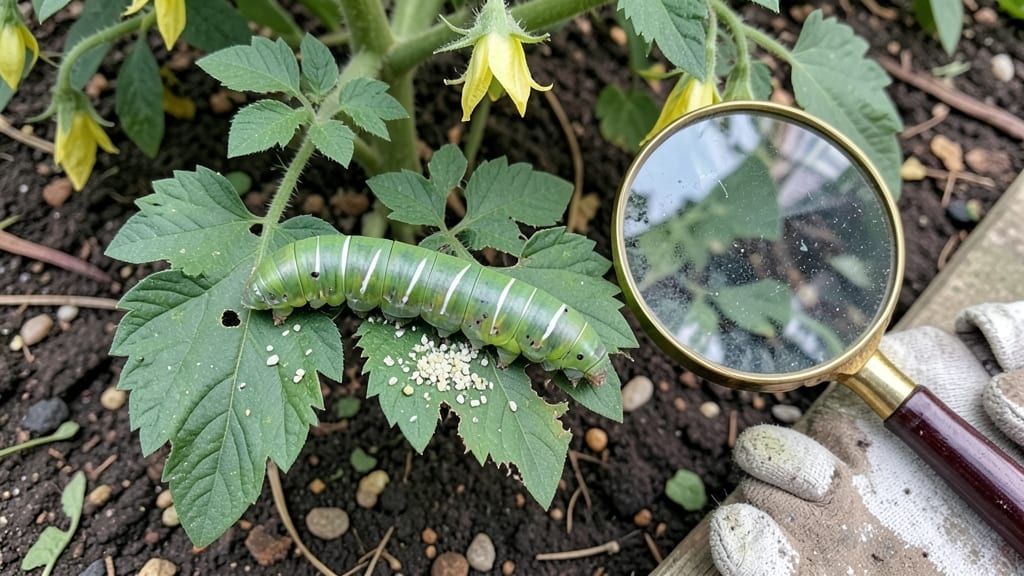
Finding tomato hornworms before they devour your plants saves your garden from disaster. 🌿 These striped caterpillars hide in plain sight—often on the undersides of leaves or camouflaged as twigs—until they’ve already stripped plants bare.
The key is knowing where to look and what to watch for, because once they’re gone, you’ll only notice the damage later.
Start by inspecting the undersides of tomato leaves, especially near new growth, where they feed most heavily. Look for their distinctive green bodies with white diagonal stripes and a horn-like tail—though they’re masters of disguise, blending into foliage until they move.
I’ve found them clinging to stems or even buried in soil at the base of plants, waiting to strike.
Early detection means fewer chewed leaves and more tomatoes on the vine. A quick morning check takes just 5 minutes and can prevent a full-blown infestation. Grab a flashlight for shaded areas—they’re more active in cooler, damp conditions, so check after rain or in early morning when they’re sluggish.
Once you spot them, act fast: drop them in soapy water or relocate them to a nearby patch of milkweed (their host plant). The sooner you catch them, the sooner your plants bounce back—and the less you’ll need to worry about those telltale skeletonized leaves.
Hidden Invaders Uncovered
Tomato hornworms—those sleek, green, and voracious caterpillars—don’t just appear out of nowhere. Their presence in your garden is the result of a mix of natural behaviors, environmental cues, and even your own gardening habits.
Understanding why they show up (and where) is half the battle in spotting and managing them before they devour your tomato plants. Let’s break down the key reasons these pests become so noticeable—and how their habits play into your ability to find them.
Tomato hornworms (Manduca sexta) are specialists—they thrive almost exclusively on plants in the nightshade family, which includes tomatoes, peppers, eggplants, and potatoes. Here’s why your garden becomes their buffet:
- Scent and chemistry: These caterpillars are drawn to the volatile organic compounds (VOCs) emitted by tomato leaves, particularly when the plants are young or stressed. Think of it like a dinner bell—your tomatoes are literally advertising their presence to hungry hornworms.
- Leaf texture and moisture: Tomato foliage is soft and juicy, making it an easy meal. Mature leaves with a slightly waxy coating are especially appealing to hornworm larvae, which can’t chew through tougher stems or older growth.
- Sheltered spots: Hornworms love hiding in dense foliage, under leaves, or near the base of plants where they’re protected from predators (like birds or parasitic wasps) and direct sunlight. This is why they’re often missed until they’ve already done significant damage.
Actionable tip: If your tomato plants are lush and healthy, they’re more likely to attract hornworms. Prune plants to improve airflow and reduce hiding spots—this makes them easier to inspect and less appealing to pests.
Adult tomato hornworms start as large, tan-and-black moths with a wingspan of up to 4.5 inches. Their reproductive strategy is a major reason they end up in your garden:
- Moonlight and heat: Female moths are most active on warm, moonlit nights (especially during the summer). They release pheromones that can travel up to a mile, luring males from miles around. If your garden is near a wooded area or field, you’re in the moths’ radar.
- Landing cues: Moths are attracted to dark, textured surfaces—like the undersides of leaves or the soil near plants. Once they land, females lay 200–300 eggs in clusters, often on the undersides of leaves or stems. These eggs hatch in 3–5 days, releasing tiny caterpillars that start feeding immediately.
- Second generation surge: In warm climates, hornworms can have two generations per year. The first wave appears in early summer, but a second wave in late summer can be even more aggressive, especially if your tomatoes are still producing.
Actionable tip: Timing is everything. If you notice moths near your garden at dusk, set up a UV light trap (or even a white sheet with a light) to monitor their activity. This can help you predict when larvae will appear.
Not all gardens are equally attractive to tomato hornworms. Certain conditions make your plot a hornworm hotspot. Here’s what’s working in their favor:
| Garden Factor | Why It Attracts Hornworms |
|---|---|
| Overwatered soil | Soft, moist soil makes it easier for newly hatched caterpillars to burrow down and pupate undetected. |
| Fertilizer-rich plants | Nitrogen-heavy fertilizers produce lush, tender foliage—hornworms’ favorite snack. |
| Lack of natural predators | Birds, parasitic wasps, and braconid flies (which lay eggs inside hornworms) keep populations in check. If your garden lacks these, hornworms multiply unchecked. |
| Nearby wild plants | Weeds like horse nettle or jimsonweed (also in the nightshade family) can serve as a "buffer zone," allowing hornworms to build numbers before moving to your tomatoes. |
Actionable tip: Reduce the buffet. Avoid over-fertilizing tomatoes, and remove nearby wild nightshade plants. Introduce dill or fennel nearby—these attract tachinid flies, a natural hornworm predator.
Sometimes, the way you garden gives hornworms the upper hand. Here’s how:
- Infrequent inspections: Hornworms are masters of camouflage. Their green bodies with white diagonal stripes blend perfectly into tomato leaves. If you don’t check plants daily, they can go unnoticed until they’ve stripped entire leaves.
- Pruning at the wrong time: Removing lower leaves for airflow is smart, but if you do it after eggs have hatched, you might accidentally move larvae to new, hidden spots.
- Ignoring early signs: Small holes in leaves, black droppings (frass), or chewed stems are red flags. By the time you see full leaf skeletonization, the hornworms are already large and harder to find.
Actionable tip: Change your routine. Inspect plants early in the morning when hornworms are less active (they hide during the day). Use a flashlight to check undersides of leaves—this is where they love to nap.
Quick Fixes for Tomato Hornworms
Spotting tomato hornworms early is half the battle—now it’s time to act! These voracious caterpillars can strip your tomato plants bare in hours, but with the right strategies, you can regain control fast.
Below, we break down solutions by the most common scenarios gardeners face, from manual removal to natural deterrents. Each method is practical, garden-friendly, and designed to protect your plants without harsh chemicals.
If you’ve already spotted a few hornworms, physical removal is the fastest way to stop the damage. Here’s how:
- 🔥 Spot Them During Early Morning Tomato hornworms are most active at dawn when they’re sluggish. Check your plants under leaves and near stems—this is when they’re easiest to grab.
- 👨🍳 Drop Them in Soapy Water
- Use a pair of gloves or tweezers to pick them up.
- Place them in a bucket of soapy water (a few drops of dish soap in water) to kill them instantly. This prevents them from crawling back onto your plants.
- ⏰ Repeat Daily for a Week Hornworms lay eggs constantly, so check your plants every 2-3 days for new hatchlings. Consistency is key!
💡 Pro Tip: If you’re squeamish about killing them, consider relocating them far from your garden (they won’t survive long without food). However, this risks them returning later—soapy water is more reliable.
Instead of fighting hornworms alone, harness their natural enemies to keep populations in check. These predators are already in your garden—you just need to encourage them:
| Predator | How to Attract Them | Effectiveness |
|---|---|---|
| Parasitic Wasps (like Cotesia congregata) | Plant dill, fennel, or parsley nearby—their larvae love these herbs. | ⭐⭐⭐⭐⭐ (Best long-term solution!) |
| Ladybugs | Avoid pesticides; plant marigolds or yarrow to attract them. | ⭐⭐⭐⭐ |
| Praying Mantises | Leave some wildflowers or tall grasses in your garden. | ⭐⭐⭐ |
| Spiders | Reduce chemical use; add mulch or rock piles for shelter. | ⭐⭐⭐ |
✨ Prevention Tip: If you see a hornworm with white cocoons (parasitic wasp eggs) on its back, leave it alone—it’s already being taken care of by nature!
For prevention, use row covers or netting to block hornworms from reaching your plants in the first place.
- 🌱 Use Lightweight Row Covers
- Cover young tomato plants with floating row covers (made of fine mesh) as soon as you transplant them.
- Secure edges with soil or bricks to prevent hornworms from crawling underneath.
- 🍅 Collars for Seedlings
- Wrap cardboard or plastic collars around stems of young plants to block hornworms from climbing up.
- 🌙 Remove Covers at Pollination Time
- If you’re growing tomatoes for fruit, remove covers briefly when flowers appear to allow bees to pollinate them.
🔥 Warning: Row covers can trap heat—choose breathable fabric and remove them on hot days to prevent wilting.
If manual removal isn’t enough, organic sprays can disrupt hornworm feeding without harming your plants or beneficial insects.
- 🥬 Spinosad Spray (Organic Pesticide)
- Made from fermented soil bacteria, spinosad is highly effective against hornworms.
- How to use: Mix according to package instructions and spray directly on caterpillars (avoid spraying flowers to protect pollinators).
- Reapply every 3-5 days or after rain.
- 🌿 Neem Oil (Mild Repellent)
- Hornworms hate the smell of neem oil. It also disrupts their feeding and growth.
- Recipe: Mix 1 tbsp neem oil + 1 tsp mild soap + 1 quart water. Spray evening or early morning (avoid direct sun to prevent leaf burn).
- Reapply every 5-7 days.
- 🌶️ Hot Pepper Spray (Spicy Deterrent)
- Blend 1-2 hot peppers + 1 quart water + 1 tsp dish soap. Strain and spray on leaves.
- Works best on young hornworms—older ones may be too tough.
💡 Pro Tip: Always test sprays on a small leaf first to ensure they don’t cause damage to your plants.
The best way to deal with tomato hornworms? Stop them before they become a problem.
- 🌿 Plant Companion Flowers
- Basil, marigolds, and nasturtiums repel hornworms naturally. Interplant them with your tomatoes.
- 🌙 Handpick Eggs Daily
- Hornworm eggs are tiny and pale yellow. Check the undersides of leaves every morning and crush them with your fingers.
- 🍅 Rotate Crops
- Avoid planting tomatoes in the same spot year after year. Hornworms overwinter in soil, so moving your tomato patch disrupts their life cycle.
- 🌱 Use Trap Crops
- Plant dill or parsley a few feet away from tomatoes. Hornworms will feast on these first, giving your tomatoes a head start.
🎯 Final Tip: If you’re growing tomatoes in containers, move them to a shaded area during peak hornworm season (late spring to early summer).
With these solutions, you can eliminate tomato hornworms fast while keeping your garden healthy and chemical-free. The key is early action—so grab those gloves, check your plants daily, and let nature (or your hands) do the rest! 🚀
Frequently asked questions
What do tomato hornworms look like when they're tiny?
Newly hatched tomato hornworms start as tiny, pale green caterpillars (about 1/8 inch) with a smooth body and no visible stripes. As they grow to 1-2 inches, they develop the signature white diagonal stripes and horn-like tail. The key is checking leaf undersides where they hide—look for tiny black droppings (frass) as an early sign.
Why do hornworms hide during the day?
Tomato hornworms are nocturnal feeders—they hide under leaves during the day to avoid predators like birds and parasitic wasps. Their green camouflage makes them nearly invisible on tomato plants. Check early morning or late evening when they're sluggish and easier to spot.
Can I use milkweed to control hornworms?
Yes! Planting milkweed nearby is a smart strategy—hornworms love it and will often feed there first. This gives your tomatoes a head start while reducing pressure on your main plants. Just monitor the milkweed too, as hornworms will eventually move to your tomatoes if the milkweed gets overrun.
How long does it take for hornworm eggs to hatch?
Tomato hornworm eggs typically hatch in 3-5 days during warm weather. The eggs are tiny, pale yellow, and oval-shaped, often laid in clusters on the undersides of leaves. Check plants daily and crush any eggs you find—they're the first line of defense before caterpillars appear.
Will hornworms eat my tomato fruits?
While they prefer leaves, large hornworms can chew small tomatoes if leaf damage is severe. The good news? They rarely eat fully ripe fruit. Focus on protecting leaves first—healthy foliage means more energy for your tomatoes to produce fruit.