
Plants
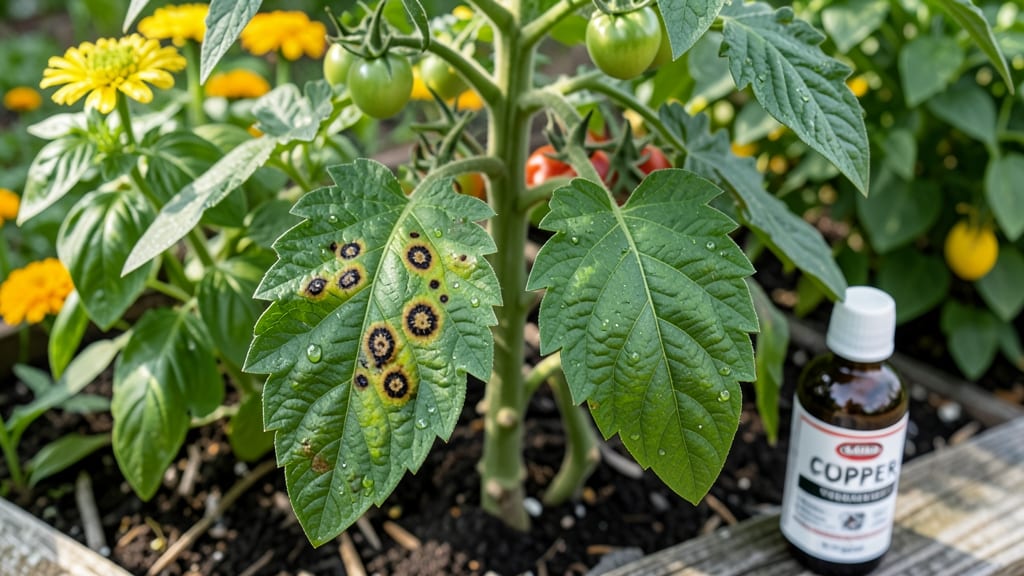
Why do my tomato plants have black spots? They’re fighting a silent battle—often fungal, but sometimes environmental. 🌱 I’ve seen this turn around in just days with the right approach, and I’ll show you exactly how to diagnose and fix it without harsh chemicals. The spots could signal early blight, bacterial infection, or even overwatering stress. Look for yellowing leaves, dark streaks on stems, or spots that spread like ink in water. The key is acting fast—once the disease takes hold, it’s harder to reverse. With proper spacing, watering at the base (never overhead), and a copper fungicide spray (or homemade baking soda mix), you can stop the spread. Prune affected leaves immediately, and compost them far from the garden to prevent reinfection. This works for both container and in-ground tomatoes, and the techniques apply to peppers and eggplants too. Let’s get those plants healthy again!
Root Causes Of Black Spots
Tomato plants develop black spots for a variety of reasons, often tied to fungal infections, environmental stress, or even nutrient imbalances. Understanding the underlying cause is the first step toward saving your plants—and your harvest.
Below, we break down the most common culprits, their scientific triggers, and what they mean for your garden.
Fungal diseases are the #1 reason for black spots on tomato leaves and fruit. These pathogens thrive in warm, humid conditions and spread quickly if left unchecked.
Early Blight (Alternaria solani)
🍄 What’s happening? This soil-borne fungus causes concentric, dark brown to black spots with yellow halos on older leaves. Over time, it spreads upward, damaging fruit and reducing yield.
- Why it spreads: Spores survive in infected plant debris and soil, splashing onto leaves via water (rain or overhead irrigation).
Warm nights (60–80°F) and high humidity (75%+) create the perfect breeding ground. - Key sign: Spots start on lower leaves, often with tiny dark specks (pycnidia) in the center. - Actionable fix: Remove infected leaves immediately, space plants for airflow, and water at the base (never overhead).
Late Blight (Phytophthora infestans)
🌧️ What’s happening? A devastating water mold that causes greasy, black spots on leaves, stems, and fruit. Unlike early blight, it attacks all plant parts and spreads rapidly in cool, wet weather.
- Why it spreads: Spores travel via wind and water, thriving in temperatures between 50–77°F with heavy dew or rain.
It’s the same fungus that caused the Irish potato famine! - Key sign: Spots appear on both leaf surfaces, often with a white, fuzzy growth underneath. - Actionable fix: Use copper fungicide preventatively, avoid wet foliage, and rotate crops (don’t plant tomatoes in the same spot yearly).
Septoria Leaf Spot (Septoria lycopersici)
📏 What’s happening? Tiny, black spots with gray centers appear on leaves, often with white or tan borders. Severe cases cause early defoliation.
- Why it spreads: The fungus overwinters in plant debris and spreads via wind, water, or tools.
It loves warm days (70–85°F) and cool, wet nights. - Key sign: Spots are more uniform than early blight and may have tiny black dots (fruiting bodies). - Actionable fix: Prune for airflow, sterilize pruners with rubbing alcohol, and apply neem oil or baking soda spray (1 tbsp baking soda + 1 quart water + a drop of soap).
Not all black spots are fungal—sometimes, your plants are reacting to their surroundings.
Sunscald or Sunburn
☀️ What’s happening? Black or brown patches on fruit (especially green tomatoes) exposed to intense sunlight. This isn’t a disease but a physical injury.
- Why it happens: Tomatoes develop a protective layer (cuticle) as they ripen.
If they’re exposed to harsh sun before this layer forms, UV rays burn the skin, turning it black or leathery. - Key sign: Spots appear on the side of fruit facing the sun, often with a papery texture. - Actionable fix: Use shade cloth (30–50%) during peak sun (11 AM–3 PM), mulch to protect soil moisture, and prune suckers to reduce stress.
Chemical Burn from Fertilizer or Pesticides
🧪 What’s happening? Blackened or crispy edges on leaves or stems, often with a white crust (residue).
- Why it happens: Over-application of synthetic fertilizers (especially high-nitrogen or salt-based ones) or harsh pesticides disrupts cell membranes, causing necrosis.
Even tap water with high chlorine can contribute. - Key sign: Damage appears immediately after treatment and spreads along leaf edges. - Actionable fix: Flush soil with water, switch to organic fertilizers (compost or fish emulsion), and dilute pesticides to half-strength.
Blossom End Rot (BER)
🍅 What’s happening? While not always black, BER causes dark, sunken spots on the blossom end of fruit (the side opposite the stem). It’s a calcium deficiency disorder, not a fungus.
- Why it happens: Calcium uptake is disrupted by inconsistent watering, compacted soil, or high salinity. Tomatoes need steady moisture to absorb calcium. - Key sign: Spots start small and enlarge, often with a leathery texture.
Affected fruit may rot prematurely. - Actionable fix: Water deeply 1–2 times per week (1–2 inches per week), add crushed eggshells or calcium-rich compost, and mulch to retain moisture.
Some black spots are actually entry wounds from pests that introduce secondary infections.
Aphids or Spider Mites
🕷️ What’s happening? Tiny black specks (frass or excrement) or stippled damage on leaves, often with webbing (mites).
- Why it matters: These pests weaken plants, making them susceptible to fungal infections.
Their saliva can also cause blackened, curled leaves. - Key sign: Look for clusters of small insects on undersides of leaves or fine webbing. - Actionable fix: Blast off pests with water, introduce ladybugs or lacewings, or spray neem oil.
Bird or Hail Damage
🦜 What’s happening? Irregular black or brown spots on fruit or leaves, often with torn edges.
- Why it happens: Birds pecking at ripe tomatoes or hailstorms can create wounds that invite rot or fungal growth.
- Key sign: Damage is physical—no fungal growth at first, but spots may darken later.
- Actionable fix: Use netting to protect fruit, harvest tomatoes early, and remove damaged fruit promptly.
Pro Tip: 🔍 Always examine the undersides of leaves and check for patterns—are spots random, concentrated, or spreading? This clues you into the cause!*
Fixing Black Spots Naturally
Now that you’ve identified the culprit behind those unsightly black spots on your tomato plants, it’s time to take action! The good news is that most issues can be resolved with simple, organic fixes—no harsh chemicals required.
Below, we’ll map out practical solutions tailored to each cause, along with prevention tips to keep your plants thriving.
If your tomatoes are battling early blight, late blight, or septoria leaf spot, act quickly to prevent the fungus from worsening.
🔥 Remove Infected Leaves & Fruit
- 🍳 Snip off any leaves or tomatoes with black spots using sterilized pruners (wipe with rubbing alcohol between cuts).
- 👨🍳 Dispose of infected plant material in the trash (not compost)—fungus can survive in compost piles.
- 🥘 Focus on airflow: Thin out crowded foliage to improve air circulation, which fungi hate.
🔪 Apply Organic Fungicides - 🌿 Copper fungicide spray (like Bordeaux mixture) – Works against early and late blight.
Spray every 7–10 days until the problem clears. - 🍄 Baking soda solution (1 tsp baking soda + 1 quart water + a few drops of dish soap) – A mild but effective preventative spray. - 🌱 Neem oil (1 tbsp neem oil + 1 quart water + a drop of soap) – Spray early in the morning to avoid burning leaves.
⏰ Prevent Future Outbreaks
- 💡 Rotate crops: Don’t plant tomatoes (or potatoes/peppers) in the same spot next year—fungi linger in the soil.
- 🌡️ Water at the base: Avoid wetting leaves, especially in the evening (moisture + cool temps = fungal paradise).
- ✨ Mulch with straw: Keeps soil moist but prevents splashing water onto leaves.
If the black spots are dry, crispy, and sunken (classic sun scorch), your tomatoes are getting too much direct heat.
🌿 Provide Shade Cloth
- 🍳 Install 30–50% shade cloth over plants during peak sun (11 AM–3 PM), especially in hot, dry climates.
- 👨🍳 Use row covers or even a lightweight fabric tarp if you’re dealing with a heatwave.
🥘 Adjust Watering
- 💧 Water deeply in the morning to help leaves retain moisture and reflect heat.
- 🌱 Avoid overhead watering—wet leaves + sun = scorch acceleration.
🎯 Choose Heat-Tolerant Varieties
- ✨ Next season, opt for heat-resistant tomatoes like ‘Solar Fire,’ ‘Heatmaster,’ or ‘Black Krim.’
If aphids, spider mites, or stink bugs are the culprits, these steps will help you evict them fast.
🔥 Blast Off Pests with Water
- 🍳 Spray plants with a strong jet of water (early morning) to knock off aphids and spider mites.
- 👨🍳 Use a neem oil spray (1 tbsp neem + 1 quart water) to suffocate eggs and adults.
🥘 Introduce Beneficial Insects
- 🌿 Ladybugs, lacewings, and parasitic wasps love eating tomato pests—buy them online or attract them with dill or fennel plants.
- 🌱 Plant basil or marigolds nearby to repel pests naturally.
🎯 Prevent Future Infestations
- 💡 Inspect new plants before bringing them home—quarantine them for a few days.
- 🌡️ Remove weeds (they harbor pests and diseases).
- ✨ Use reflective mulch (like aluminum foil) to confuse and deter flying insects.
If your plants are soggy, wilting, or developing black spots from root rot, it’s time to improve drainage.
🔥 Check Your Watering Habits
- 🍳 Water only when the top 1–2 inches of soil are dry—stick your finger in to test!
- 👨🍳 Use a moisture meter for accuracy (overwatering is a common killer).
🥘 Amend Your Soil
- 🌱 Mix in compost or aged manure to improve soil structure and drainage.
- 🌿 Add perlite or coarse sand if your soil is clay-heavy and holds too much water.
⏰ Upgrade Your Containers (If Potted)
- 💡 Ensure pots have drainage holes—no exceptions!
- ✨ Use lightweight potting mix (avoid garden soil, which compacts).
If black spots are due to temperature swings, nutrient deficiencies, or transplant shock, these fixes will help.
🔥 Protect from Extreme Heat or Cold
- 🍳 Move potted tomatoes to a sheltered spot during heatwaves or late frosts.
- 👨🍳 Use cloche covers or row covers for young plants.
🥘 Feed Your Plants Right
- 🌿 Apply a balanced organic fertilizer (like fish emulsion or worm castings) if yellowing leaves suggest nutrient deficiency.
- 🌱 Avoid over-fertilizing with nitrogen—it makes plants soft and more susceptible to disease.
🎯 Help Them Recover from Shock
- ✨ If recently transplanted, water deeply and shade for a week to reduce stress.
- 💡 Mulch with straw to keep roots cool and moist.
To keep your tomato plants spot-free next season: ✅ Rotate crops – Don’t plant tomatoes in the same spot yearly. ✅ Start with healthy seedlings – Buy from reputable nurseries or grow from seeds. ✅ Monitor regularly – Check undersides of leaves weekly for early signs of trouble. ✅ Keep tools clean – Sterilize pruners and shovels between plants. ✅ Harvest promptly – Pick ripe tomatoes fast to prevent overripe spots.
With these targeted fixes, your tomato plants should bounce back—and next season, they’ll be stronger, healthier, and spot-free**! 🍅✨
Frequently asked questions about tomato plant black spots
Why do my tomato leaves have black spots but no other symptoms?
This could be early signs of Septoria leaf spot or early blight. These fungal diseases often start with small black dots that expand slowly. Check the undersides of leaves for tiny black specks (pycnidia) in the center—this confirms fungal infection. Act fast by removing affected leaves and improving airflow around plants.
Can I still eat tomatoes with black spots?
It depends! If spots are from sunscald or aphid damage, the affected areas are safe to cut off. But if spots are from late blight or early blight, the entire fruit may be contaminated. When in doubt, discard heavily spotted tomatoes and focus on saving your plants first.
How do I tell if black spots are from fungus or sun damage?
Fungal spots usually appear on older leaves first, often with yellow halos or white fuzzy growth underneath. Sun damage shows as dry, papery patches on fruit facing the sun. Also check timing—fungus thrives in humid conditions while sunburn occurs during hot, dry afternoons.
Will pruning infected leaves help stop the spread?
Yes! Pruning removes the fungal source and improves airflow, which fungi hate. Always use sterilized pruners (wipe with rubbing alcohol) and dispose of infected leaves in the trash—not compost. For severe cases, remove up to 30% of foliage to redirect energy to healthy growth.
How often should I spray preventative fungicides?
For organic prevention, spray every 7-10 days with baking soda solution (1 tsp baking soda + 1 quart water) or neem oil. Start spraying when plants are 6 inches tall and continue through harvest. Copper fungicide should be applied every 2 weeks during rainy seasons or high humidity periods.