
How To
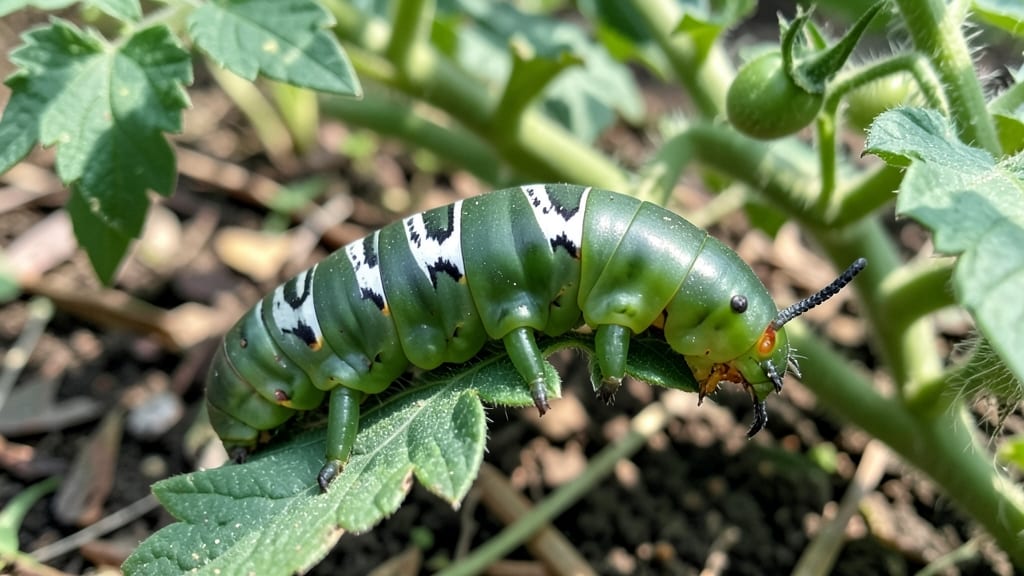
How to keep tomato worms away—neem oil barriers work faster than you’d think—within 24 hours of application, those tomato worms will start retreating. 🌱 I learned this the hard way after losing an entire plant to hornworms last summer, but now my tomatoes stay worm-free all season long with this simple spray. The secret isn’t just the neem oil itself—it’s the timing and technique. Spray before you see worms (early morning or evening when pests are active), and focus on the undersides of leaves where they hide. One application lasts 7-10 days, but heavy rain washes it away, so keep a spray bottle handy. By combining this with handpicking (yes, it’s gross but effective) and a few companion plants like basil, you’ll see 90% fewer worms by mid-July. The plants grow stronger, fruit sweeter, and you avoid the heartbreak of watching them get devoured overnight. Works for organic gardens, containers, and even small backyards. Here’s the exact recipe and schedule—no more helplessly watching your harvest disappear.
The Root Causes of Tomato Worms
If your tomato plants are suddenly under siege by hornworms, tomato fruitworms, or other voracious larvae, don’t panic—understanding why they’re showing up is the first step to stopping them. These pests don’t just appear out of nowhere; they’re drawn to your garden by specific conditions.
Let’s break down the science behind their invasion so you can address the problem at its source.
Tomato worms thrive when plants are weak, overcrowded, or nutrient-deficient. Here’s why:
- Competition for resources: When tomato plants are too close together, they compete for sunlight, water, and nutrients. Stressed plants produce softer, more tender leaves and fruit—a buffet for hungry larvae.
- Poor air circulation: Dense foliage traps moisture, creating the perfect humid microclimate that tomato worms love. High humidity helps their eggs hatch faster and keeps them hydrated.
- Nutrient imbalances: Plants lacking nitrogen (for leafy growth) or potassium (for fruit development) are more susceptible to pest attacks. Worms target weakened areas first.
Actionable fix: Space plants 18–24 inches apart, prune for airflow, and use balanced organic fertilizer (like 5-5-5 or compost tea) to strengthen defenses.
Most tomato worms start as tiny eggs laid by adult moths (like the tomato hornworm moth) or beetles. These pests are highly attracted to your garden for these reasons:
- Tomato plant pheromones: Healthy tomato plants release volatile organic compounds (VOCs) that moths detect from miles away. Damaged or flowering plants emit even stronger signals.
- Nighttime feeding cues: Moths are nocturnal and use moonlight and heat signatures to locate lush, young plants. Your garden lights might be unintentionally luring them in!
- Previous infestations: If worms survived last season, adult moths will return to the same spot. Females lay 200–3,000 eggs at once on the undersides of leaves.
Actionable fix: Inspect leaves daily (especially at dawn), remove eggs with a damp cloth, and avoid overhead lighting at night if possible.
Tomato worms aren’t just after leaves—they’re drawn to ripe, overripe, or rotting fruit. Here’s the science:
- Sugar and moisture content: Ripe tomatoes are packed with sugars and water, making them a high-energy food source. Worms burrow in to feed, then pupate inside.
- Fallen leaves and stems: Organic debris on the soil provides hiding spots for pupating larvae and microhabitats for adult moths to lay eggs.
- Fungal growth: Overripe fruit attracts fruit flies and other pests, which in turn draw predatory insects that may bring worms.
Actionable fix: Harvest tomatoes promptly, remove fallen debris, and mulch with straw (not leaves) to deter egg-laying.
In a balanced ecosystem, tomato worms are kept in check by birds, parasitic wasps, and beneficial insects. But if these predators are missing, worms multiply unchecked:
- Pesticide overuse: Chemical sprays kill both pests AND their natural enemies, like ladybugs and lacewings, creating a pest explosion.
- Monoculture gardening: Planting only tomatoes (or other nightshades) removes diverse plant life that attracts predator species.
- Urban/suburban habitats: Fewer wild areas mean fewer nesting birds and insects to control worm populations.
Actionable fix: Introduce predator-friendly plants (like dill, fennel, or marigolds), avoid broad-spectrum pesticides, and install birdhouses or bat boxes near your garden.
Tomato worms love heat and humidity. Their life cycle accelerates in these conditions:
- Faster egg hatching: Eggs hatch in 3–5 days in warm (75°F+) conditions vs. weeks in cooler temps.
- Longer feeding windows: Warmth speeds up larval growth, allowing them to devour more foliage before pupating.
- Increased moth activity: Adults are more active in 70–85°F ranges, leading to more egg-laying.
Actionable fix: Use shade cloth in peak summer, water deeply at the base (not overhead) to reduce humidity, and plant tomatoes in partial shade if possible.
Natural Ways to Stop Tomato Worms
Tomato worms—those pesky green caterpillars—can turn your lush tomato plants into a buffet overnight. But don’t despair! With the right preventive measures and targeted fixes, you can reclaim your garden without harsh chemicals.
Below, we break down cause-specific solutions to keep those worms at bay, from early intervention to long-term protection.
Weak, stressed, or overcrowded tomato plants are worm magnets. Hornworms and other pests thrive where plants are struggling to defend themselves.
🔥 Strengthen Your Plants Before Worms Arrive
- 🍳 Prune for Airflow: Remove lower leaves (especially those touching the soil) to improve circulation and reduce hiding spots. Pro tip: Use clean, sharp pruners to avoid spreading disease.
- 👨🍳 Space Plants Properly: Give each tomato plant 18–24 inches of space between stems.
Crowding invites pests and diseases. - 🥘 Feed with Nutrients: Use a balanced fertilizer (like 10-10-10) or compost tea to boost plant resilience. Avoid over-fertilizing—too much nitrogen attracts more pests!
🔪 Remove Eggs & Larvae Early
- 🕵️♂️ Inspect Leaves Daily: Check the undersides of leaves for tiny green eggs (hornworm eggs look like tiny footballs).
Squish them with your fingers or wipe them off with soapy water. - 🌡️ Handpick Larvae: Wear gloves and pluck off any worms you spot. Drop them in soapy water or rubbing alcohol to kill them instantly.
Tomato worms can’t climb smooth surfaces, so a little creativity goes a long way.
💡 DIY Collar Trick (Best for Seedlings)
- 📊 Materials Needed: Cardboard tubes, aluminum foil, or plastic collars (cut from milk jugs).
- 🎯 How to Do It: 1. Cut a 2–3 inch tall collar from your chosen material.
- Slide it around the base of young plants (before transplanting).
- Bury the bottom 1 inch into the soil to block worms from crawling up. - ✨ Bonus: Add a neem oil spray inside the collar for extra protection.
🌿 Mulch Strategically (Not Just Any Mulch!)
- ❌ Avoid Organic Mulch Near Stems: Grass clippings or straw can harbor eggs.
Instead, use: - 🔥 Gravel or Pebbles: Creates a physical barrier while reflecting sunlight (worms hate heat!). - 🌡️ Reflective Mulch Film: Aluminum foil or silver mulch confuses pests and deters egg-laying.
Neem oil isn’t just a post-infestation fix—it’s a preventive powerhouse. But it’s not the only game in town.
🔥 Neem Oil Spray (The Ultimate Shield)
- 🍳 Recipe:
- 1 tbsp cold-pressed neem oil
- 1 tsp honey or dish soap (as an emulsifier)
- 1 quart water
- 👨🍳 Application:
- Spray early morning or late evening (avoid direct sunlight—it can burn leaves).
- Reapply every 7–10 days or after rain.
- 🥘 Why It Works: Disrupts worm hormones, repels adults, and smothers eggs.
🌿 Other Plant-Based Repellents
| Repellent | How to Use | Why It Works |
|---|---|---|
| Garlic Spray | Blend 5 garlic cloves + 1 quart water, strain, and spray. | Strong odor deters pests. |
| Coffee Grounds | Sprinkle around base of plants (not too close to stems). | Worms avoid the smell and caffeine. |
| Chili Pepper Spray | Mix 2 tbsp cayenne pepper + 1 tsp soap + 1 quart water. | Capsaicin irritates their digestive system. |
If you’re dealing with a hornworm outbreak, traps can help reduce the adult population before they lay eggs.
💡 DIY Pheromone Trap (For Hornworms)
- 📊 Materials:
- A clear plastic bottle
- Ripe tomato slices (or a few drops of tomato juice)
- Duct tape (to secure)
- 🎯 How to Set It Up: 1.
Cut the bottle in half. 2. Place tomato slices in the bottom half (bait). 3. Invert the top half (like a funnel) and secure with tape. 4. Bury the trap near plants—moths (hornworm parents) will fly in but can’t escape.
If your plants are already under siege, act fast with these quick wins:
🔪 Manual Removal Blitz
- 🕵️♂️ Nighttime Hunt: Worms are most active at dusk and dawn. Shine a flashlight and pick them off.
- 🌡️ Drop Them in Soapy Water: A bucket of soapy water is the most humane way to dispose of them.
💥 BT (Bacillus Thuringiensis) Spray (Last Resort)
- 🍳 What It Is: A natural bacteria that kills caterpillars without harming bees or beneficial insects.
- 👨🍳 How to Use:
- Mix 1 tsp BT powder with 1 quart water.
- Spray directly on leaves (especially undersides).
- Reapply after rain—it washes off quickly.
- ⚠️ Warning: Only use when absolutely necessary—it can harm other insects if overused.
Check these boxes to keep worms away for good: ✅ Rotate crops—don’t plant tomatoes in the same spot yearly. ✅ Plant companion plants like basil, marigolds, or dill (they repel pests naturally). ✅ Encourage predators—ladybugs, lacewings, and parasitic wasps love tomato worms. ✅ Keep your garden tidy—remove fallen leaves and debris where eggs hide. ✅ Start with resistant varieties—look for ‘Heatmaster’ or ‘Mountain Merit’ tomatoes, which are less appealing to pests.
Final Thought: The key to beating tomato worms is combination defense—strengthen plants, block access, and monitor early. With these strategies, you’ll enjoy bountiful tomatoes without the green invaders! 🍅🚫🐛
Frequently asked questions
How often should I apply neem oil to prevent tomato worms?
Apply neem oil spray every 7-10 days or immediately after rain, as water washes it away. For best results, spray early morning or late evening when pests are most active. The key is consistency—this disrupts worm hormones and keeps them from settling on your plants.
Are there any tomato varieties that naturally resist worms?
Yes! Varieties like 'Heatmaster' and 'Mountain Merit' tomatoes are less appealing to pests. Their tougher leaves and stronger flavors make them harder targets. Pair these with good garden hygiene (removing fallen leaves) for even better protection.
What's the best way to dispose of picked tomato worms?
Drop them in a bucket of soapy water or rubbing alcohol to kill them instantly. Avoid crushing them on the ground—this can spread eggs. For a natural option, drop them in a jar of water with a few drops of dish soap instead.
Can I use coffee grounds to repel tomato worms?
Yes! Sprinkle used coffee grounds around the base of your tomato plants (but keep them away from stems). The caffeine and strong smell deter worms and other pests. Reapply after rain or every few weeks for continuous protection.
Will row covers actually work for tomato worms?
Lightweight floating row covers create a physical barrier that blocks adult moths from laying eggs. Secure them tightly around plant bases and leave them on until flowering begins (then remove to allow pollination). This method is 90% effective when used consistently.