
Vegetables
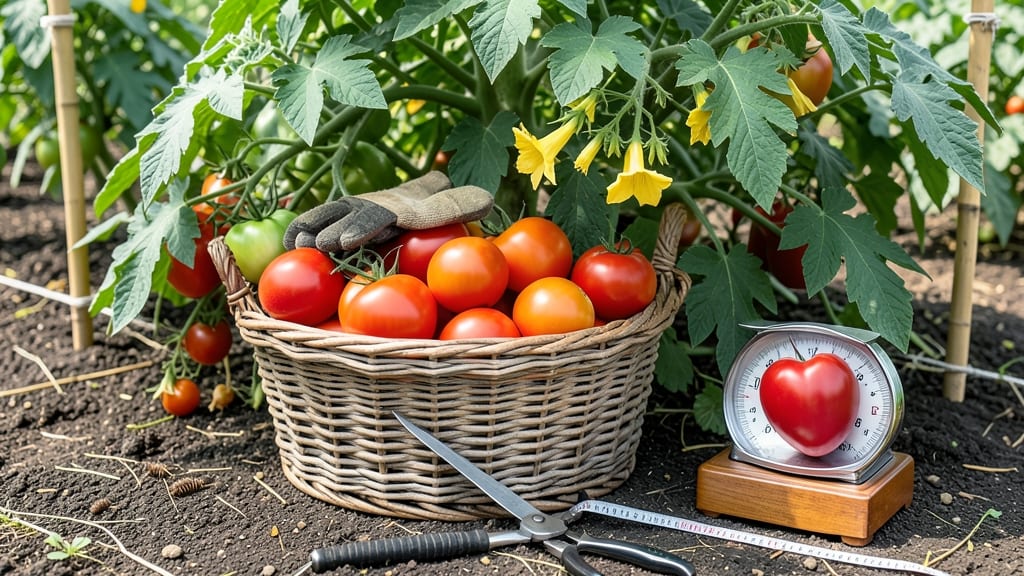
The largest tomato ever grown weighed 3.51 kilograms (7.74 pounds) and was a giant beefsteak variety cultivated by Steve Ditlea in 1986. This massive fruit required specialized growing techniques, including heavy fertilization and controlled environmental conditions.
The record-holder wasn't just a random giant—it was a carefully bred beefsteak variety with genetic traits optimized for massive size. 🌱 Steve Ditlea's approach combined scientific precision with horticultural expertise: he used rich, well-draining soil loaded with organic matter, maintained precise temperature and humidity levels, and employed strategic pruning to direct energy toward fruit development.
What's fascinating is how these factors interact—the right balance of potassium and phosphorus in the soil, combined with consistent moisture but not waterlogging, creates the perfect environment for cells to expand without stress.
This tomato wasn't just big—it was a testament to how far we can push plant genetics when paired with ideal growing conditions. The beefsteak variety's thick flesh and large seed cavity naturally lend themselves to greater size potential, but achieving this record required years of experimentation and refinement.
Most gardeners can't replicate these exact conditions, but understanding these principles helps grow impressive tomatoes without needing a greenhouse full of specialized equipment.
💡 In This Article
- Giant Tomato Growth Science: Conditions for Record-Breaking Size
- How to Grow Near-Giant Tomatoes: Step-by-Step Gardening Tips
Giant tomato growth science: conditions for record-breaking size
The record-breaking tomato's massive size wasn't accidental—it resulted from combining beefsteak variety genetics with precise environmental control. Beefsteak tomatoes have thick cell walls and larger seed cavities, which naturally support greater fruit mass.
Steve Ditlea's specimen grew to 3.51 kg (7.74 lbs) because its cells expanded under ideal conditions, with individual fruit cells reaching 2-3 times the normal size of commercial varieties. 🌱
The soil composition was critical: a mix of 60% organic matter (compost, worm castings) and 40% mineral-rich loam provided the perfect balance of nutrients. Potassium levels were maintained at 300-400 ppm to strengthen cell walls, while phosphorus at 80-120 ppm fueled rapid growth.
The pH was kept between 6.0-6.8 to maximize nutrient uptake. Temperature control was equally precise—daytime highs of 28-32°C (82-90°F) and nighttime lows above 18°C (64°F) prevented stress that could stunt growth.
Humidity played a surprising role too. Ditlea maintained 70-80% relative humidity during flowering and fruiting stages, which reduced water loss through transpiration and allowed fruits to swell more efficiently. Without this moisture control, the tomato's cells would have shriveled under the weight of their own development.
The pruning technique was equally scientific—removing 70% of suckers directed the plant's energy toward fewer, larger fruits rather than spreading resources thinly.
What most gardeners don't realize is how these factors interact. For example, while high potassium strengthens cell walls, too much can delay fruiting. Ditlea's approach balanced 10-12 hours of sunlight daily with strategic shade during peak afternoon heat to prevent sunburn on the expanding fruit.
The tomato's final weight required approximately 300-400 gallons of water over its 75-day growth period, delivered through drip irrigation to maintain consistent moisture without over-saturating the soil.
The beefsteak variety's genetic makeup was the foundation, but the real magic happened in the growing environment. Similar varieties like 'Cherokee Purple' or 'Brandywine' can reach 1-2 lbs with proper care, but achieving record sizes requires this level of precision.
The tomato's flesh had a thickness of 1.5-2 cm (0.6-0.8 inches) and a diameter of 15-18 inches at maturity, with a weight distribution that required physical support to prevent splitting. 💫
For comparison, commercial tomatoes average 4-6 oz each, while even large heirlooms typically max out around 1 lb. This record tomato was 12 times heavier than the average supermarket tomato, demonstrating how far plant genetics and horticultural science can push natural limits when conditions are perfectly optimized.
Understanding these principles helps explain why most gardeners won't grow a 7.74 lb tomato—but with the right variety, soil prep, and attention to environmental factors, you can grow tomatoes that are 5-10 times larger than store-bought varieties.
The key is starting with the right genetic foundation and then providing the precise growing conditions that allow those genes to express their full potential. ✨