
Companion Plants
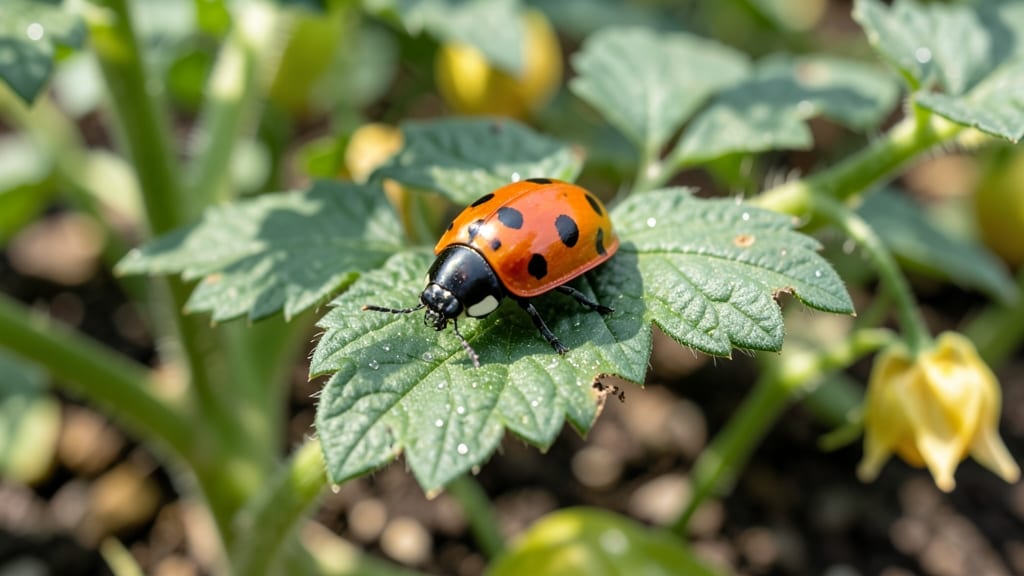
Nothing ruins a tomato harvest faster than the protect tomato plants from bugs devouring leaves overnight. 🌱 I’ve lost entire plants to pests, but these natural barriers—from companion planting to row covers—keep my tomatoes thriving without chemicals or harsh sprays.
Start with marigolds and basil around your plants—their strong scents repel aphids and whiteflies naturally. Add row covers early in the season to block flying insects before they lay eggs, and use yellow sticky traps to catch pests like whiteflies before they multiply.
When bugs appear, neem oil or insecticidal soap (sprayed at dusk) knocks them out without harming bees. The key is consistency: check plants daily, remove eggs by hand, and rotate methods to prevent resistance.
This works year-round, from seedlings to harvest, and cuts pesticide use to zero. Your tomatoes will stay lush, your yields will soar, and you’ll skip the guilt of chemical sprays entirely.
Root Causes of Tomato Bug Attacks
Tomato plants are like all-you-can-eat buffets for garden pests, and bugs don’t hesitate to show up when conditions are just right. Understanding why these critters target your tomatoes is the first step to stopping them naturally.
Let’s break down the science behind their behavior—so you can outsmart them before they strike.
Tomatoes are a nutrient powerhouse for pests, packed with sugars, water, and soft flesh that’s easy to chew. Here’s why they’re so appealing:
- High Water Content: Bugs like aphids and tomato hornworms crave moisture, and tomatoes are 90%+ water—like a hydration station for insects.
- Sweet Nectar: Flowers and ripening fruits release sugars that attract bees (good) and pests (bad), like whiteflies and fruit flies.
- Tender Leaves & Fruit: Unlike woody plants, tomatoes have thin, delicate surfaces that make them easy pickings for chewing insects (e.g., Colorado potato beetles, slugs).
Pro Tip: 💡 Early planting (before peak pest season) can reduce damage, but even then, bugs will find them if other factors align.
Pests thrive in specific conditions, and tomatoes often grow in the perfect storm for infestations:
| Factor | How It Attracts Bugs | What You Can Do |
|---|---|---|
| Warm, Humid Air | Mosquitoes, whiteflies, and fungal gnats breed faster in heat + moisture. | Space plants for airflow; avoid overhead watering. |
| Drought Stress | Stressed plants produce more sugars to survive, making them sweeter (and tastier) to pests. | Mulch to retain moisture; water deeply 1–2x/week. |
| Cool Nights | Slugs and cutworms become more active when days are warm but nights drop below 60°F. | Use beer traps or diatomaceous earth at night. |
Pro Tip: 🌡️ Monitor your local pest forecast—some bugs (like the tomato hornworm) surge after rain or when temps hit 75°F+.
A messy garden is an open invitation for bugs to move in and multiply. Here’s how clutter helps them:
- Debris & Weeds: Eggs from pests like Colorado potato beetles or cucumber beetles hide in leaf litter over winter.
Weeds (especially nightshade family plants) can harbor aphids. - Overcrowded Plants: Poor airflow from dense planting traps moisture, inviting fungal pests (e.g., spider mites) and their natural predators’ enemies. - Old Fruit & Vines: Rotting tomatoes or pruned debris breed fruit flies and attract scavengers like stink bugs.
Pro Tip: ✨ Clean up religiously—remove fallen leaves, suckers, and diseased plants weekly to starve pest populations.
Tomatoes rely on beneficial insects (ladybugs, lacewings, parasitic wasps) to keep pests in check. But if these helpers are absent, bugs take over:
- Lack of Biodiversity: Monoculture gardens (rows of only tomatoes) disrupt the food chain.
Predators need variety to thrive. - Pesticide Use: Even "natural" sprays can kill beneficial bugs faster than pests, leaving tomatoes defenseless. - Urban/Suburban Gardens: Fewer wild predators (like birds or toads) mean more work for you to attract them.
Pro Tip: 🌿 Plant a "bug buffet" nearby—basil, marigolds, and dill attract predatory wasps and hoverflies that hunt tomato pests.
Not all tomatoes are equally tempting to bugs. Some varieties are genetically more resistant or less appealing:
- Heirloom vs. Hybrid: Heirlooms (like ‘Brandywine’) are often more susceptible to pests because they lack hybrid disease resistance.
- Green Tomatoes: Unripe fruit is less sweet but still attracts hornworms and beetles—they don’t discriminate!
- Cracked Fruit: Rain or uneven watering causes splits, creating entry points for bacteria and pests like fruit flies.
Pro Tip: 🎯 Choose pest-resistant hybrids (e.g., ‘Mountain Merit’ or ‘Defiant PhR’) if bugs are a recurring issue.
Pests have peak seasons, and tomatoes hit their vulnerability at specific growth stages:
- Seedlings (Early Season): Aphids and flea beetles target young leaves because they’re soft and nutrient-rich.
- Flowering (Mid-Season): Whiteflies and hornworms go for blossoms, reducing fruit set.
- Fruiting (Late Season): Stink bugs and fruit flies pierce ripening tomatoes, causing cosmetic (and sometimes internal) damage.
Pro Tip: ⏰ Set up early monitoring—check undersides of leaves and soil at the base of plants weekly for eggs or early signs of infestation.
Natural Fixes for Tomato Plant Pests
Now that you know what’s munching on your tomatoes, let’s tackle those pests with effective, chemical-free solutions! These methods focus on prevention, early intervention, and organic remedies to keep your garden thriving.
Below, we’ve mapped common tomato pests to their fixes—plus pro tips to stop future infestations before they start.
Signs: Large green caterpillars with white stripes, half-eaten leaves, and droppings. How to Fix It:
- 🔥 Handpick them early (morning is best—worms are sluggish). Drop them in soapy water.
- 👨🍳 Introduce beneficial predators: Ladybugs, lacewings, and parasitic wasps (like Cotesia congregata) love hornworms.
- 🥘 Plant companion herbs: Basil, dill, and marigolds repel hornworms naturally.
Prevention Tip: 💡 Rotate crops yearly to disrupt their life cycle.
Signs: Sticky residue (honeydew), curled leaves, and clusters of tiny green/black bugs. How to Fix It:
- 🍳 Blast them off with a strong spray of water (early morning works best).
- 🔪 Use insecticidal soap or neem oil (spray undersides of leaves where they hide).
- 🌿 Invite aphid-eating allies: Ladybugs, lacewings, and hoverflies will clean them up.
Prevention Tip: 🌡️ Keep plants healthy—aphids target stressed tomatoes. Water consistently and fertilize lightly.
Signs: Tiny white moth-like bugs fluttering when you disturb plants; yellowing leaves. How to Fix It:
- ⏰ Yellow sticky traps catch adults—place them near plants.
- 🥘 Cover young plants with floating row covers to block adults.
- 🔥 Spray with neem oil or kaolin clay (disrupts their feeding).
Prevention Tip: ✨ Avoid over-fertilizing with nitrogen—whiteflies love lush, soft growth.
Signs: Fine webbing, speckled leaves, and a "bronzed" look on foliage. How to Fix It:
- 💦 Increase humidity (mites hate it)—mist plants or use a pebble tray.
- 🍎 Spray with water to knock them off (repeat daily for severe cases).
- 🌿 Plant mites’ enemies: Ladybugs, predatory mites, and lacewings.
Prevention Tip: 🎯 Prune for airflow—mites thrive in dry, crowded conditions.
Signs: Yellow-orange beetles and striped larvae devouring leaves. How to Fix It:
- 🔪 Handpick adults and larvae (drop in soapy water).
- 🥘 Use row covers early in the season to block them.
- 🌿 Plant trap crops like potatoes nearby to lure them away.
Prevention Tip: 💡 Rotate crops—these beetles overwinter in soil.
Signs: Irregular holes in leaves, slimy trails, and chewed stems. How to Fix It:
- 🍳 Set up beer traps (bury a shallow dish filled with beer—slugs drown in it).
- 🥘 Create barriers with copper tape or crushed eggshells around plants.
- 🌿 Handpick at night (use a flashlight and drop them in saltwater).
Prevention Tip: 🌡️ Water in the morning—slugs are less active in dry conditions.
To keep your tomato plants strong and pest-resistant, follow these year-round strategies:
- 🌱 Start with healthy seedlings—buy from reputable nurseries or grow your own.
- 🌿 Plant companion flowers like marigolds, nasturtiums, and borage to deter pests.
- 🔄 Rotate crops annually to prevent pest buildup in the soil.
- 🌡️ Monitor regularly—catch problems early before they spread.
Final Pro Tip: 🎯 Encourage biodiversity—a thriving garden with birds, bees, and beneficial insects is the best pest control! 🐦🐝
Frequently asked questions about keeping tomato plants bug-free
What’s the fastest way to get rid of tomato hornworms if I spot them?
Handpick them in the morning when they’re sluggish—drop them in soapy water. For faster results, introduce parasitic wasps (like Cotesia congregata) or spray Bt (Bacillus thuringiensis) at dusk. These caterpillars multiply quickly, so act within 24 hours to prevent total leaf loss.
Can I use coffee grounds around tomato plants to repel bugs?
Yes, but with caution! Fresh coffee grounds can burn plant roots when overused. Instead, sprinkle used, dried grounds lightly around the base (not touching stems) to deter slugs and ants. Mix with soil or compost first to dilute acidity—about 1 cup per 10 feet of plant row.
Why do my tomato plants get bugs even when I use row covers?
Row covers can fail if they’re torn, improperly secured, or left on too long (trapping heat/moisture). Check for gaps at the soil line or where stakes penetrate the fabric. For extra protection, use floating row covers (held above plants with hoops) and remove them during pollination (if needed) to allow bees access.
Are there any tomato varieties that naturally resist bugs?
Look for hybrid varieties like ‘Mountain Merit’ or ‘Defiant PhR,’ which are bred for disease and pest resistance. Heirlooms like ‘Cherokee Purple’ are flavorful but more vulnerable. For organic gardens, ‘Solar Fire’ (heat-tolerant) and ‘Celebrity’ (disease-resistant) are excellent choices that deter pests with their tougher foliage.
How often should I spray neem oil on tomato plants to prevent bugs?
Apply neem oil every 7–10 days during peak pest seasons (spring to early fall). For best results, spray in the evening when bees aren’t active, and reapply after heavy rain. Mix with a drop of dish soap to help it stick to leaves—just avoid overusing it, as it can harm beneficial insects if applied too frequently.