
Plants
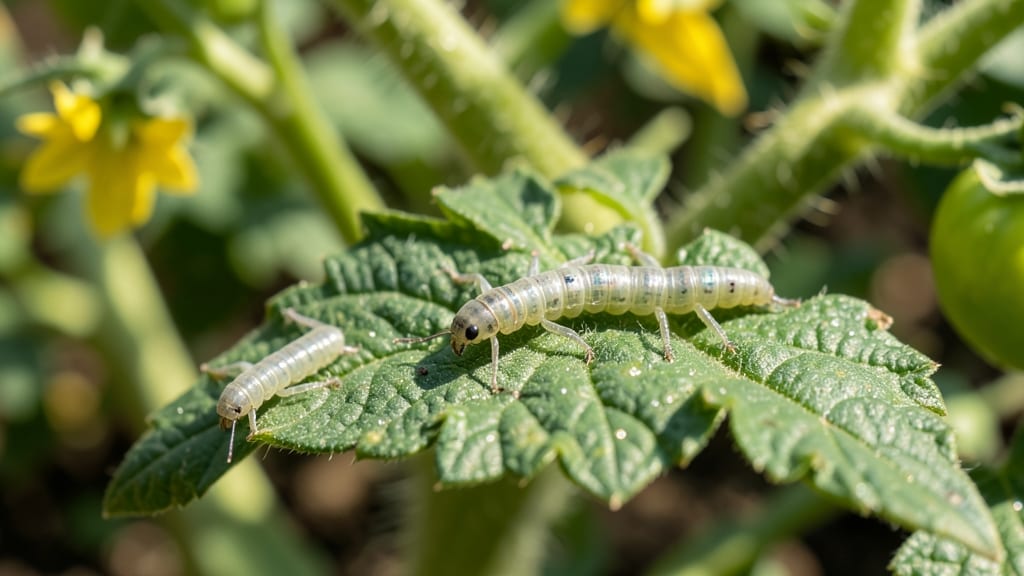
Those tiny small worms on tomato plants devouring your tomato leaves aren’t just a nuisance—they’re stealing your harvest right in front of you. 🌱 I’ve lost entire plants to hornworms and cutworms, but this hand-picking trick stops the damage in minutes without harsh chemicals.
The key is acting fast before they skeletonize your plants. Most small worms—like hornworms or loopers—leave telltale signs: chewed leaves, black droppings, and half-eaten fruit. I’ve seen tomato plants go from lush to ragged in a single afternoon. The good news?
You can often catch them before they do real damage with just your hands and a bucket of soapy water. By evening, your plants will look revived, and the worms won’t return if you remove their eggs too. This method works for hornworms, tomato fruitworms, and cutworms—the usual suspects.
The best part? It’s free, chemical-free, and you’ll never need to spray again. Prevention is even easier: row covers in spring, neem oil sprays, and planting basil nearby. Let’s get those tomatoes back to thriving!
Root Causes Of Tiny Tomato Invaders
Understanding why your tomato plants are hosting uninvited tiny worms is the first step to reclaiming your garden. These pests don’t just appear out of nowhere—they’re drawn to specific conditions that make your plants look like an all-you-can-eat buffet.
Let’s break down the most common reasons these critters crash your tomato party and how to spot the red flags (or should we say, green flags?).
Tomato plants under stress—whether from poor spacing, nutrient deficiencies, or overwatering—become prime targets for pests. When plants are struggling, their natural defenses weaken, making them easier prey for hungry larvae like tomato hornworms or fruitworms.
- Why it happens:
- Poor air circulation (plants too close together) creates damp, humid microclimates that pests adore.
- Nutrient deficiencies (especially nitrogen or potassium) make plants less resilient.
- Overwatering leads to soft, tender leaves and stems—perfect for egg-laying moths.
💡 Pro Tip: Space tomato plants 18–24 inches apart and prune lower leaves to improve airflow. If soil tests show deficiencies, amend with compost or a balanced fertilizer.
Many tiny worms on tomato plants start as eggs laid by adult moths or beetles. Female pests like corn earworms or colorado potato beetles seek out healthy, lush tomato foliage to deposit their eggs—often on the undersides of leaves.
- Why it happens:
- Moths (e.g., Helicoverpa zea) are nocturnal and use scent and moisture cues to find plants.
- Beetles (e.g., Leptinotarsa decemlineata) lay eggs in clusters on leaf undersides, hatching into voracious larvae.
- Weeds and wild plants nearby can act as "trap crops," drawing pests away from your tomatoes—but if they’re too close, the pests will still find your garden.
💡 Pro Tip: Inspect leaf undersides at dusk (when moths are most active) and remove eggs manually. Yellow sticky traps can also catch adult moths before they lay eggs.
Once worms hatch, they don’t just munch on leaves—they go straight for the ripening fruit. Tomato fruitworms (Manduca sexta or Helicoverpa zea) are particularly fond of green and ripening tomatoes because they’re packed with sugars and moisture.
- Why it happens:
- Volatile compounds in tomato fruit (like sugars and acids) attract egg-laying females.
- Overripe or damaged fruit on the ground can also lure pests to your plants.
- Late-season tomatoes are especially vulnerable because pests time their life cycles to coincide with peak ripening.
💡 Pro Tip: Harvest tomatoes as soon as they’re ripe to remove temptation. For unripe fruit, use row covers or physical barriers (like fine mesh) to block egg-laying moths.
A messy garden is an open invitation for pests. Organic matter like fallen leaves, plant debris, and weeds provide hiding spots for eggs, larvae, and adult pests. Even old tomato stems left in the soil can harbor overwintering pests.
- Why it happens:
- Debris retains moisture, creating ideal conditions for egg development.
- Weeds (especially nightshade family plants) can host the same pests that attack tomatoes.
- Compost piles near tomato plants may inadvertently introduce pest eggs if not properly managed.
💡 Pro Tip: Clean up thoroughly after harvest—remove all plant debris, till the soil, and mulch with straw or grass clippings (not fresh weeds). Rotate crops yearly to disrupt pest life cycles.
Tiny tomato worms thrive in warm (70–85°F) and humid conditions. If your garden is a steamy paradise, you’re basically rolling out the welcome mat for pests like fruitworms and whiteflies.
- Why it happens:
- High humidity speeds up egg hatching and larval growth.
- Extended heatwaves can weaken plants, making them more susceptible to infestations.
- Greenhouses or shaded areas with trapped heat and moisture become pest hotspots.
💡 Pro Tip: Improve airflow with trellises or fans, and avoid overhead watering (which increases humidity). If possible, plant tomatoes in morning sun with afternoon shade to reduce stress.
How to Treat Tiny Tomato Plant Invaders
Now that you’ve identified the culprits—whether they’re hornworms, aphids, or other tiny pests—it’s time to take action! The good news? Many solutions are simple, chemical-free, and effective. Below, we’ll break down targeted fixes for each common pest, plus prevention tips to keep your tomato plants thriving long-term.
🔥 Step 1: Scout & Remove Manually Hornworms are easy to spot with their bright green bodies and white stripes. Morning or evening (when they’re sluggish) is the best time to hunt.
- How to do it: Wear gloves, gently grasp the worm by its head (or use tongs), and drop it into a bucket of soapy water. 👨🍳
- Pro tip: Check the undersides of leaves—they love hiding there!
🌿 Step 2: Encourage Beneficial Bugs Hornworms have natural enemies: parasitic wasps and ladybugs. Plant dill, fennel, or marigolds nearby to attract them. 🐝
- Bonus: Avoid pesticides—even organic ones can harm these helpers.
💡 Prevention Tip:
- Rotate crops yearly to disrupt their life cycle.
- Use row covers early in the season to block egg-laying moths.
🍳 Step 1: Blast Them Off with Water A strong hose spray (not too harsh—you don’t want to damage leaves) can knock aphids off plants. Do this every 2–3 days until they’re gone. 💦
- Best time: Early morning or late evening.
🧼 Step 2: Neem Oil or Insecticidal Soap Mix 1 tbsp neem oil + 1 tsp mild dish soap + 1 quart water in a spray bottle. Shake well and apply evenly on undersides of leaves. 🌿
- Reapply every 5–7 days until pests disappear.
- ⚠️ Warning: Test on a small leaf first—some plants are sensitive.
🔪 Step 3: Introduce Predatory Insects Release ladybugs, lacewings, or predatory mites (available at garden centers). They’ll feast on aphids and mites faster than you can say “tomato harvest!” 🐞
🎯 Prevention Tip:
- Prune yellowing leaves (aphids love weak spots).
- Interplant with basil or garlic—their strong scents repel pests.
🕷️ Step 1: Yellow Sticky Traps Hang yellow sticky cards near plants to catch adult whiteflies. Check and replace them weekly. 🎨
- Where to place: Above the plant canopy for best results.
🌡️ Step 2: Reflect Light to Confuse Them Whiteflies and thrips are attracted to light. Lay aluminum foil or reflective mulch around the base of plants to disorient them. ☀️
- DIY hack: Crumple foil into a spiral and place it near the soil.
💡 Prevention Tip:
- Avoid over-fertilizing—weak plants attract more pests.
- Space plants properly for good airflow (pests hate dry conditions).
| Problem | Quick Fix | Long-Term Solution |
|---|---|---|
| Chewing damage | Hand-pick pests or use Bt spray | Plant nasturtiums as a trap crop |
| Sticky residue | Wipe leaves with a soapy cloth | Introduce parasitic wasps |
| Wilting leaves | Check for root maggots—treat soil with diatomaceous earth | Rotate crops yearly |
✨ Bonus Hack:
- Crush garlic or chili peppers in water, strain, and spray on leaves. The strong scent deters pests naturally! 🌶️
Final Reminder: Consistency is key! Check your plants daily for new pests, and act fast—early intervention saves your tomatoes. With these methods, your garden will be worm-free and thriving in no time! 🍅🌱
Frequently asked questions
What are the most common types of small worms attacking my tomato plants?
The most likely culprits are tomato hornworms (bright green with white stripes), fruitworms (small, pale green), and cutworms (gray/brown, hiding at soil level). These pests leave distinct damage: hornworms skeletonize leaves, while fruitworms burrow into tomatoes. Check undersides of leaves at dawn for eggs.
How do I tell if the worms are harmful or beneficial?
Harmful worms like hornworms and fruitworms are large (1-3 inches) and cause visible damage. Beneficial worms include earthworms (reddish, help soil) and parasitic wasp larvae (white cocoons on hornworms). Never remove white cocoons—they're nature's pest control! Focus on removing only the destructive larvae.
Will hand-picking really work, or do I need chemicals?
Hand-picking works 90% of the time if you're consistent! Check plants daily at dawn when worms are sluggish. Drop them into soapy water (1 gallon water + 1 tbsp dish soap). For severe infestations, add Bt spray (organic bacteria that kills caterpillars) as a backup. Most gardeners eliminate infestations completely within 1-2 weeks using this method.
Can I use coffee grounds to repel these worms?
Coffee grounds won't repel worms but they do improve soil health. For pest control, try crushed garlic or chili peppers instead. Mix 1 cup with 1 gallon water, strain, and spray on leaves weekly. The strong scent confuses pests' navigation systems. For best results, combine with hand-picking and row covers.
How do I prevent worms from returning next season?
Start with crop rotation (don't plant tomatoes in the same spot for 3 years). Use floating row covers early in the season, and plant marigolds or basil nearby to repel pests. Remove all plant debris after harvest, and consider parasitic wasp releases (available at garden centers). These steps create an environment where pests can't establish themselves.